




Collectable Clock
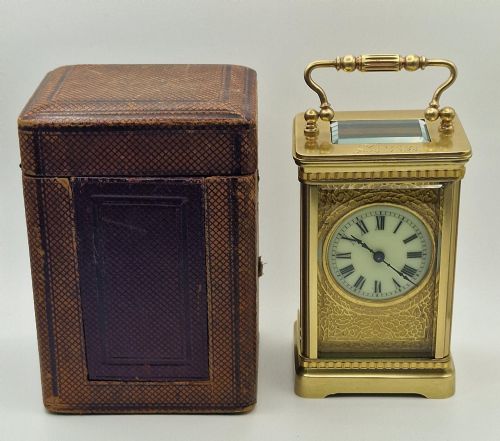
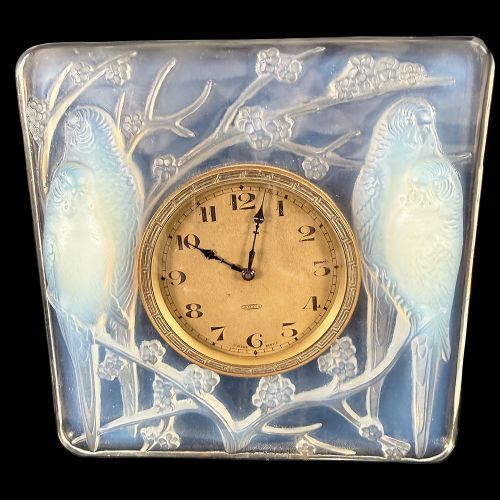
These collectable clocks range from brass carriage pieces to opalescent glass designs, offering precise craftsmanship and period charm for your desk or mantelpiece.
Collectable Clock
A collectable clock encompasses timepieces spanning from the seventeenth century through to the mid-twentieth century, featuring diverse designs such as carriage clocks, longcase clocks, and desk clocks. You will frequently encounter brass carriage clocks and opalescent glass examples amongst these listings.
The selection includes pieces originating from various distinct periods, notably the Victorian, Edwardian, and Art Deco eras. Makers utilised traditional forms alongside striking mechanisms, repeaters, and alarms to create functional objects that double as decorative items.
The styles range from nineteenth-century French designs to William and Mary longcase pieces and mid-century modern creations. Each object type carries the distinct characteristics of its period, whether housed in burr walnut, gilt brass, or glass.
How they were made
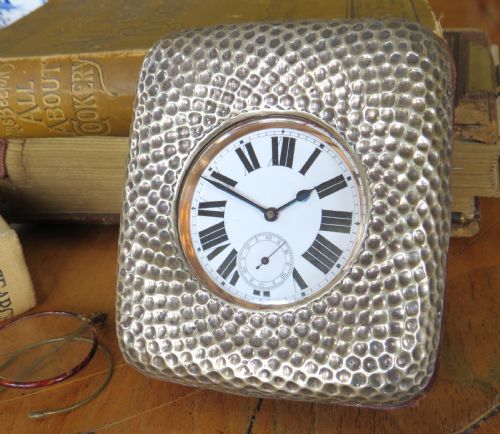
Clockmakers shaped these timepieces using metals such as brass, gilt brass, and silver, alongside cases constructed from burr walnut and leather. Dials often feature enamel work, while glass components include opalescent variants.
Techniques varied from intricate metal casting and gilding for carriage clocks to specialised glass moulding utilised by makers like Rene Lalique. Longcase mechanisms involved complex eight-day movements housed in substantial timber cabinetry.
Collectable Clock Retail Price Guide 2026
Typical asking prices for collectable clock among the pieces listed under this phrase on Sellingantiques today, from the lower quarter to the upper quarter. They describe what is for sale here now, not the wider market.
What varies in quality
Quality in these timepieces rests on the precision of the movement and the integrity of the housing, whether gilt brass or burr walnut. Finer examples retain original components, fitted boxes, and sophisticated mechanisms such as striking repeaters or alarm functions.
The artistry of the casing and dial work dictates distinction, seen in the delicacy of opalescent glass figures or the execution of engraved brass dials. Recognised makers and distinct provenance elevate specific pieces above standard production.
Mappin and Webb·Joseph Windmills·Rene Lalique·Jaeger Le Coultre
The Collectable Clock Glossary
- Carriage clock
- A small, spring-driven clock designed for travel, typically featuring a brass case with glass panels.
- Gilt brass
- Brass coated with a thin layer of gold, frequently used to provide a lustrous finish on nineteenth-century clock cases.
- Opalescent glass
- Glass that displays a milky, iridescent appearance, famously utilised in Art Deco clock production.
- Striking repeater
- A mechanism that repeats the last hour or quarter-hour strike when a lever or button is pressed.
- Longcase clock
- A tall, floor-standing clock enclosed in a wooden case, driven by descending weights.
Collectable Clock: Frequently Asked Questions
How do I wind a carriage clock?
Most carriage clocks use a key inserted into the winding square at the back of the movement. Turn the key gently until you feel resistance, taking care not to overwind the mainspring.
Ensure you handle the clock by its solid frame rather than any decorative handle when moving it for winding.
What is a repeater mechanism?
A repeater mechanism allows the clock to chime the time on demand when a small button or cord is activated. This was particularly useful for checking the hour in the dark before electric lighting.
Carriage clocks often incorporated this feature alongside standard alarm functions.
How should I care for glass clocks?
Opalescent glass and delicate panels require gentle cleaning with a dry or slightly damp microfibre cloth. Avoid harsh chemical cleaners that can damage the surface of the glass or surrounding metal.
Keep the clock away from direct sunlight and extreme temperature fluctuations to protect both the glass and internal components.
Where should I place a longcase clock?
Longcase clocks need a stable, level floor against an interior wall to ensure the pendulum swings evenly. Placing them away from doorways prevents vibrations from disrupting the delicate escapement.
Allow adequate clearance for the weights and pendulum inside the burr walnut or timber trunk.