




Collectable Art Deco Glass
Collectable art deco glass comprises sculptural vessels and decorative objects from the early twentieth century defined by modernist geometry and tactile surfaces.
Collectable Art Deco Glass
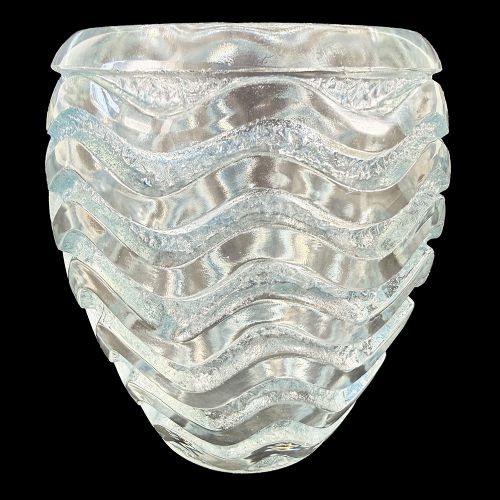
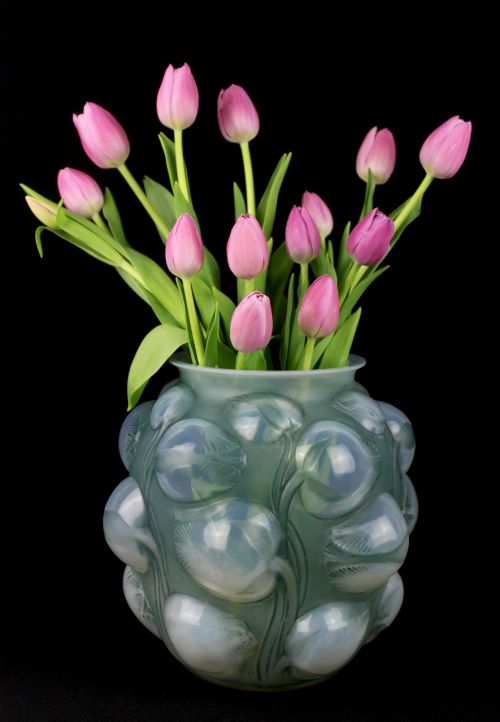
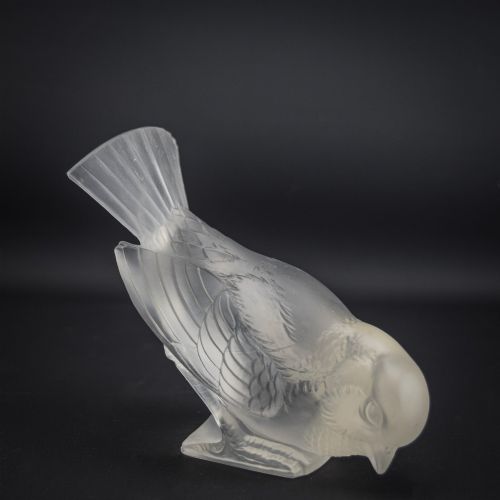
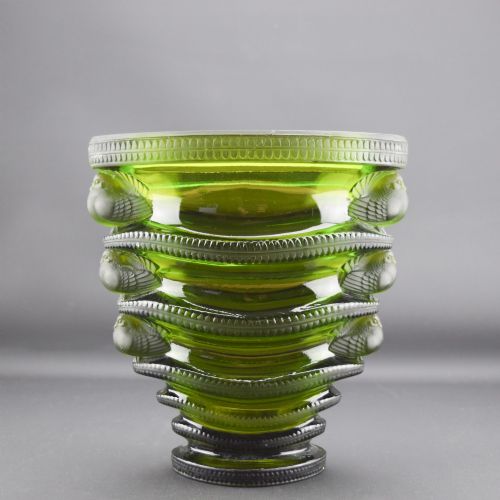
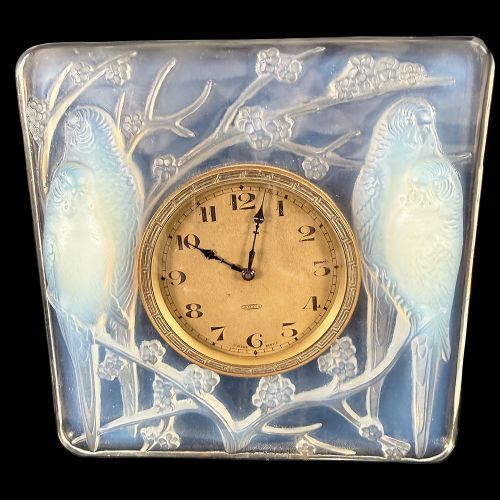
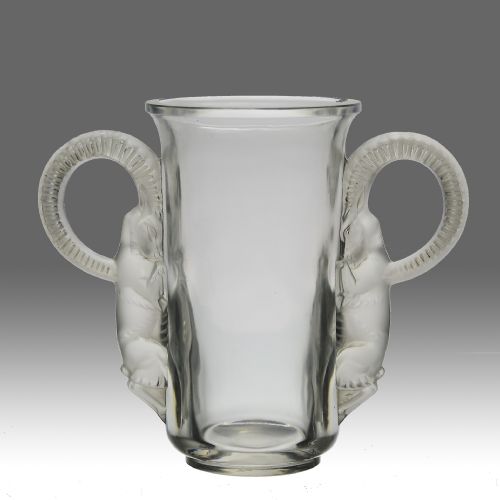
Collectable art deco glass primarily takes the form of vases, perfume bottles, bowls, and car mascots originating from the 1920s and 1930s. Vases and scent bottles dominate the selection, often bearing specific named motifs such as birds, flora, or geometric patterns.
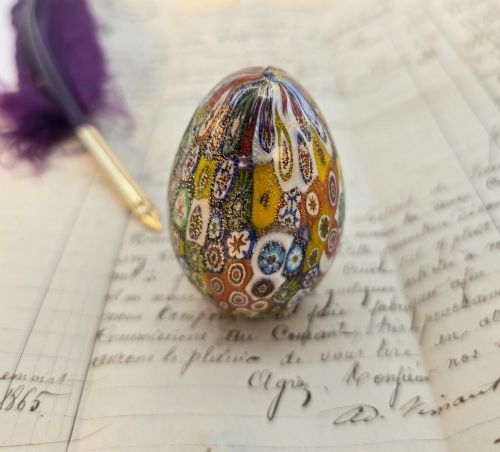
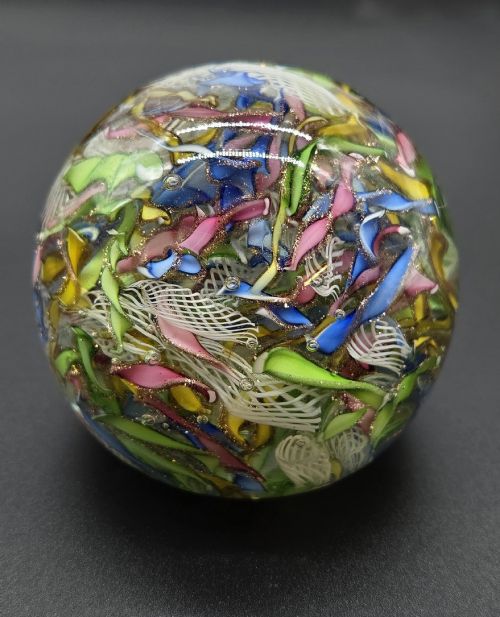
The objects span production from renowned French ateliers and studios in Murano and Scotland. Buyers encounter both utilitarian vessels like decanters and purely decorative items including paperweights and clocks.
Materials and Techniques
Pieces utilise frosted, opalescent, clear, and moulded glass, frequently enhanced with enamel, sepia stain, or coloured paper inserts. Moulding techniques allowed makers to achieve high relief and sculptural depth across vases and mascots.
Surface finishes range from milky opalescence that catches the light to targeted staining that emphasises the intricate details of moulded fauna and flora.
Collectable Art Deco Glass Retail Price Guide 2026
Typical asking prices for collectable art deco glass among the pieces listed under this phrase on Sellingantiques today, from the lower quarter to the upper quarter. They describe what is for sale here now, not the wider market.
Wild boars and rhinoceri share shelf space with delicate love birds and tumbling fish, proving that early twentieth-century glass could be both fierce and fragile.
Distinctions in Quality
Quality rests upon the crispness of the moulded relief and the depth of the opalescence within the glass. Stronger pieces display deliberate contrast between clear and frosted areas.
The sophistication of the design, whether a complex floral motif or a detailed animal car mascot, separates standard production from superior examples.
Rene Lalique·Monart
The Collectable Art Deco Glass Glossary
- Opalescent glass
- Glass that milky-blue colour when lit from the front, turning amber when viewed against the light. This effect adds dimension to moulded relief designs.
- Car mascot
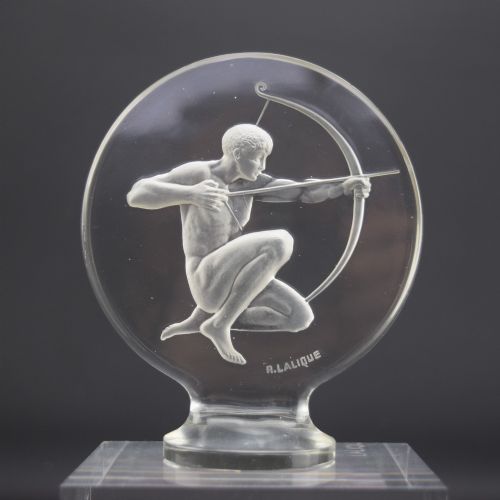
- A decorative glass ornament mounted on the radiator cap of a motor car. These heavy pieces double as sculptural desk objects.
- Moulded glass
- Glass formed by pressing molten material into a metal or wooden matrix. This technique permits consistent repetition of complex patterns.
- Stain
- Pigment applied to the recessed parts of a glass design to create contrast. Sepia or red staining highlights fine lines in floral and animal subjects.
Collectable Art Deco Glass: Frequently Asked Questions
How do I display perfume bottles safely?
Place perfume bottles on stable, flat surfaces away from direct sunlight and edge traffic. Ensure stoppers remain paired with their correct bases.
Keep them clear of high-heat areas to protect the glass composition and any coloured staining applied to the surface.
What defines an opalescent finish?
Opalescent glass diffuses light through suspended particles within the material. This creates a milky quality that shifts tone depending on the viewing angle.
In art deco pieces, this property accentuates the curves of moulded flowers, fish, and geometric patterns.
How are car mascots mounted?
Car mascots attach via specialised metal bases fitted to vehicle radiator caps. Most examples found today sit on dedicated display stands instead.
Their heavy, solid glass construction provides the weight needed for secure placement.
Can I use decorative bowls for food?
Decorative bowls and plates function primarily as display objects rather than tableware. The moulded glass and surface treatments suit visual appreciation.
Avoid exposing vintage glass to acidic foods or high-temperature dishwashing cycles that might alter the finish.