



Collectable Pottery
Collectable antique pottery spans vivid Majolica animal jugs, delicate lustre bowls, and characterful studio figures shaped over two centuries.
Collectable Pottery
When you examine collectable antique pottery, you encounter a diverse range of items including vases, decorative bowls, figurines, character jugs, and commemorative dishes. These ceramic pieces cross several distinct eras, stretching from nineteenth-century Victorian workshops through to the Art Deco designs of the twentieth century.
The selection on this page focuses heavily on British ceramic traditions, represented by major names and regional potteries alike. You will frequently find works utilising earthenware, stoneware, and fine porcelain, shaped into functional vessels as well as purely decorative sculptures.
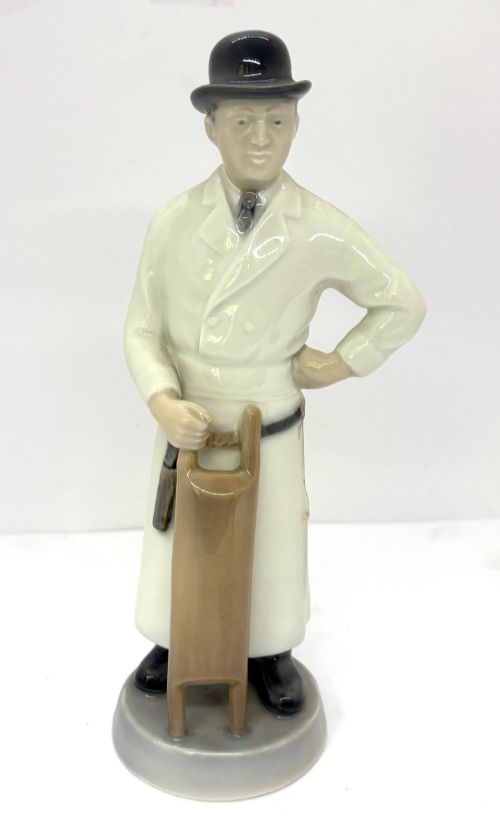
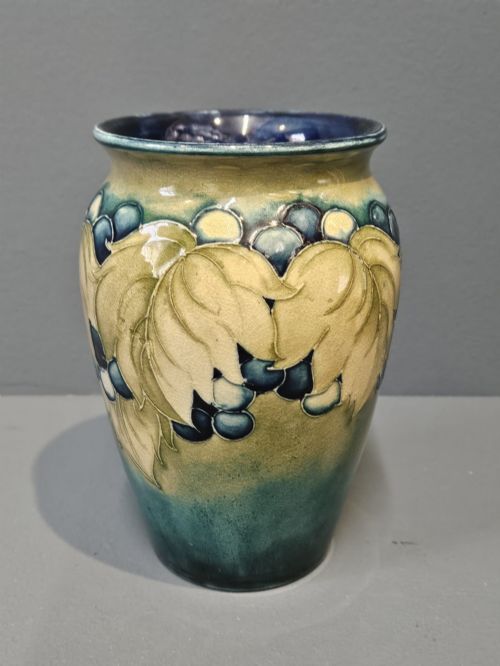
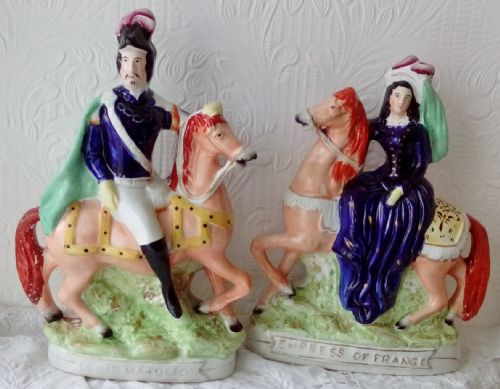
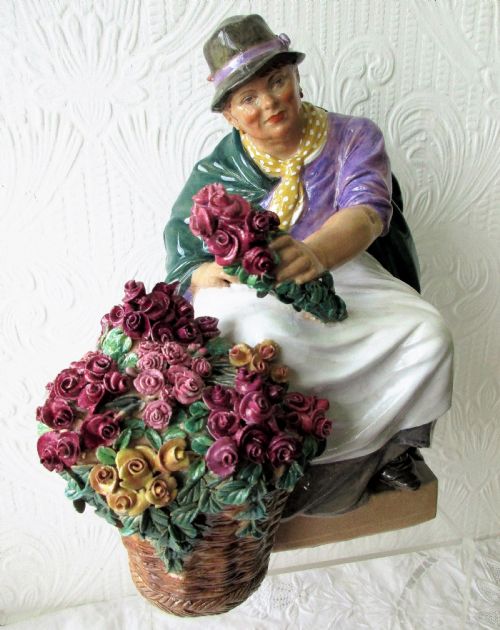
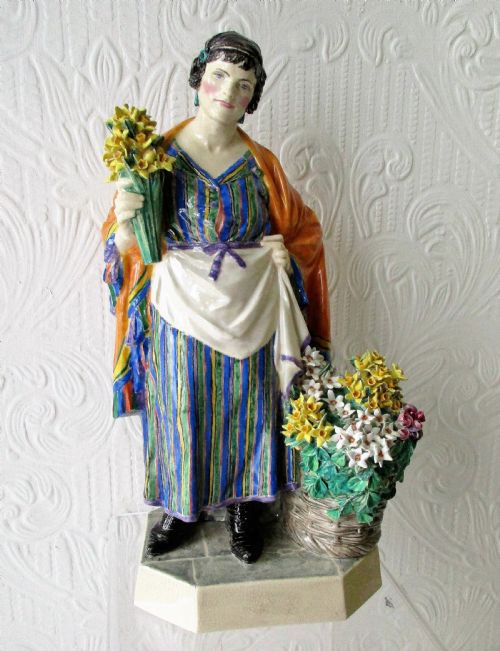
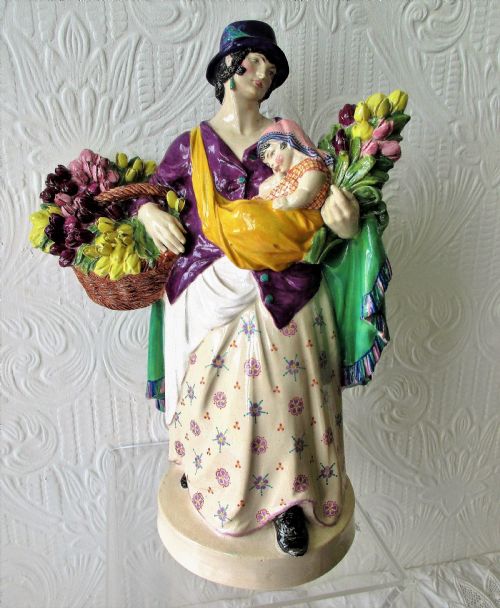
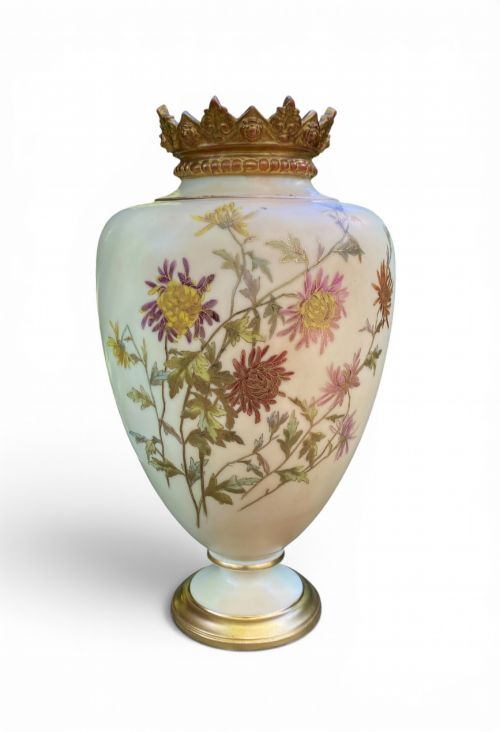
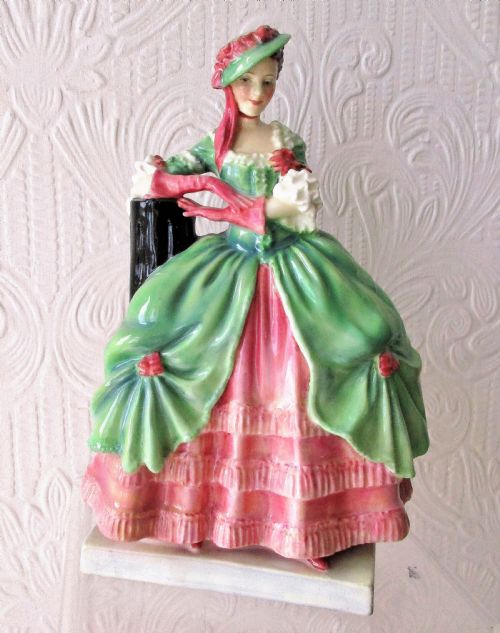
Vases and bowls dominate the offerings, often decorated with hand-painted patterns or lustrous glazes. Alongside these vessels, ceramic figures depict historical personages, literary characters, and everyday street vendors from earlier decades.
Materials and production methods
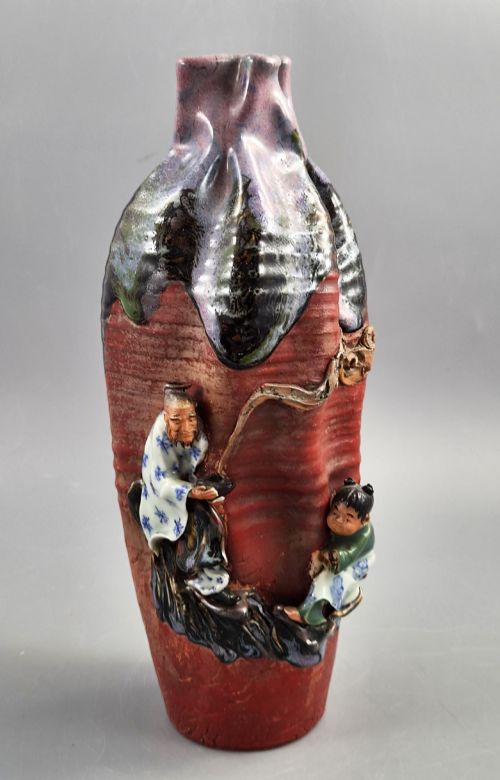
Makers shaped these objects using foundational ceramic bodies such as porous earthenware, durable stoneware, and refined porcelain. Potters applied varied techniques, from throwing clay on a wheel to pressing mixtures into intricate moulds for figures and relief-decorated jugs.
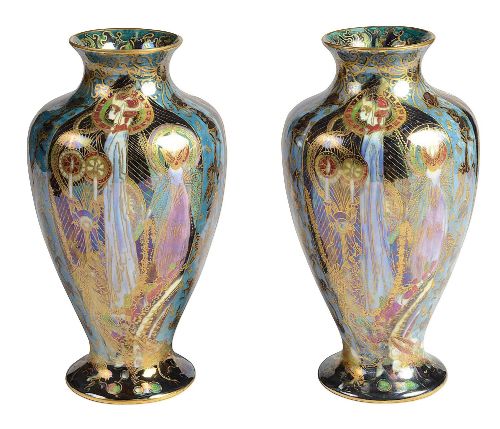
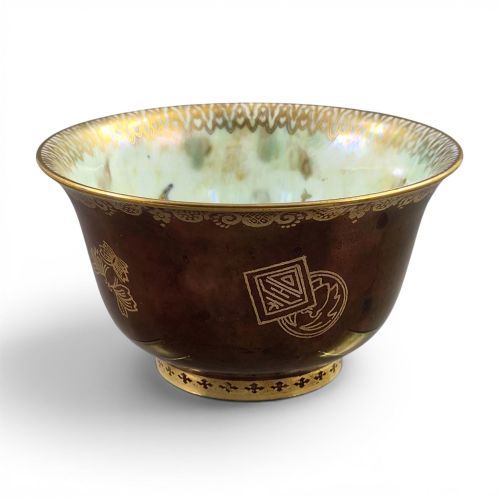
Surface decoration defined much of the output, utilising rich enamel paints, flowing glazes, and occasional accents of gold leaf. Specialised techniques included the application of iridescent lustre finishes and salt glazing to achieve distinct surface textures and sheens.
Collectable Pottery Retail Price Guide 2026
Typical asking prices for collectable pottery among the pieces listed under this phrase on Sellingantiques today, from the lower quarter to the upper quarter. They describe what is for sale here now, not the wider market.
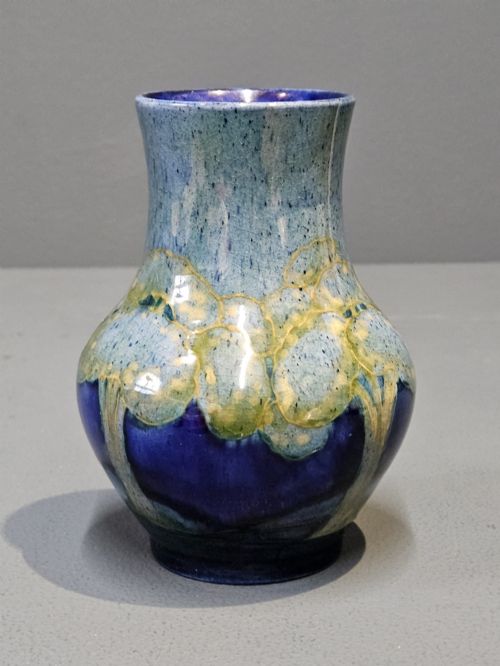
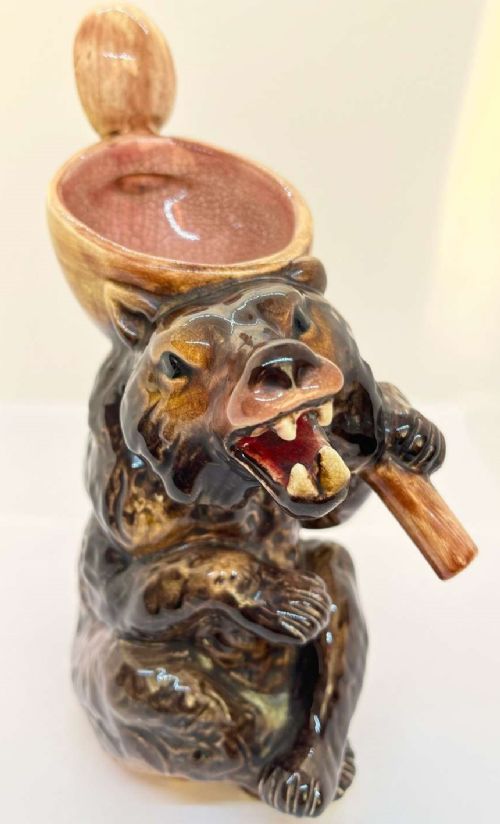
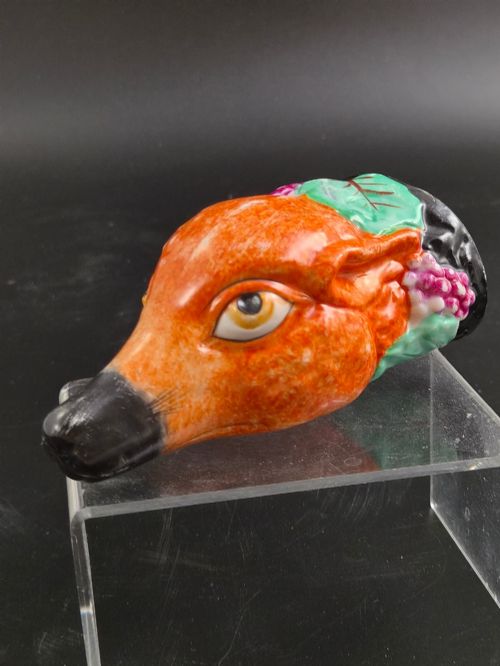
Decorative forms featured here range from utilitarian whiskey flasks and match strikers to ornamental baluster vases.
Distinctions in quality
The distinction between standard commercial output and superior ceramic pieces rests largely on the execution of the design and painting. Hand-painted details by recognised artists display precision and depth of colour that mass-produced transfers cannot replicate.
Mould crispness and glaze stability also separate ordinary items from exceptional ones. Well-preserved pieces retain sharp relief lines on moulded figures and even, unclouded glaze surfaces across complex lustre or flambé finishes.
Holdcroft·Royal Staffordshire·Wedgwood·Moorcroft·Charles Vyse·Royal Doulton·Royal Worcester·Verwood Pottery·Dolton Lambeth·Raphael Tuck and Sons·Maling·Shelley·Wedgwood and Co Ltd·Pilkingtons Royal Lancastrian·Macintyre and Co
The Collectable Pottery Glossary
- Majolica
- A type of earthenware glazed with opaque tin enamels, known for vibrant, colourful ornamentation.
- Lustreware
- Pottery finished with a metallic glaze that produces an iridescent, shimmering sheen when exposed to light.
- Flambé
- A mottled or streaked glaze effect achieved through reduction firing in a kiln, creating rich, unpredictable colour paths.
- Pearlware
- A refined form of earthenware developed in the late eighteenth century, featuring a subtle bluish tint in the glaze.
- Stoneware
- A dense, impermeable ceramic fired at high temperatures, offering durability without requiring a porous body.
Collectable Pottery: Frequently Asked Questions
What is Wedgwood Fairyland Lustre?
Fairyland Lustre is a specialised line of porcelain and earthenware developed by Daisy Makeig-Jones. These pieces display imaginative, folkloric scenes rendered in rich, shimmering metallic colours.
They remain highly sought after by collectors for their intricate detailing and distinct aesthetic.
Are studio pottery figures marked?
Many studio pottery figures bear the signature, monogram, or paper label of the individual artist who modelled and painted them. Makers such as Charles Vyse often inscribed their names directly into the clay base.
Checking the underside carefully will usually reveal these personal identifiers.
How should I clean antique pottery?
Dust antique ceramics gently with a soft, dry brush to remove surface particles. Avoid submerging pieces with old repairs or delicate enamel decorations in water.
Harsh chemical cleaners can strip surface glazes and diminish the value of collectable items.