




Cobalt Blue Glazed Plate
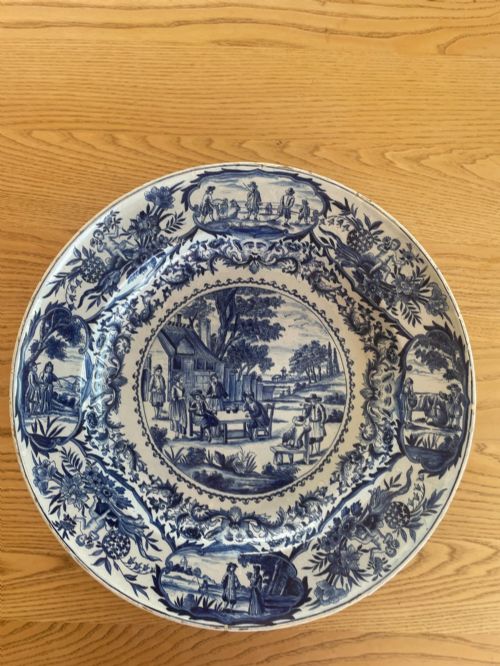
A cobalt blue glazed plate brings rich tin-glazed earthenware and earthenware into a room, offering striking blue and white patterns from earlier centuries.
Cobalt Blue Glazed Plate
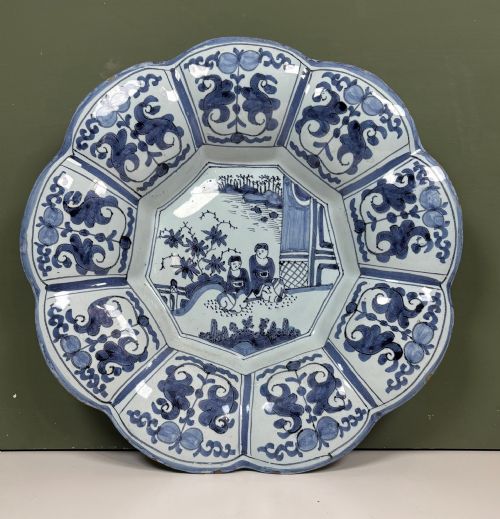
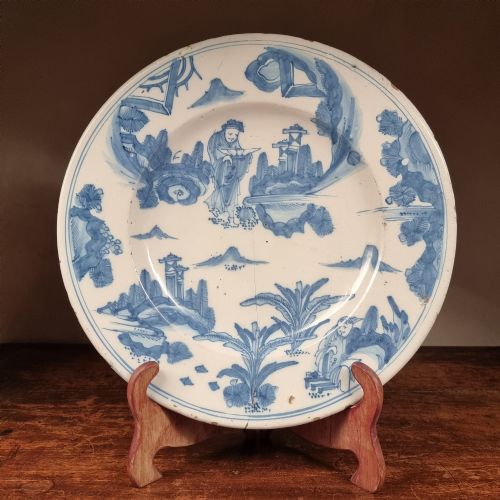
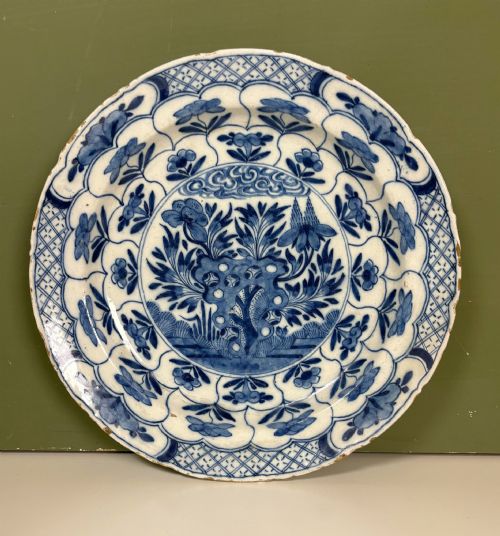
A cobalt blue glazed plate brings together centuries of ceramic history, with examples spanning the seventeenth, eighteenth, and nineteenth centuries. Collectors searching for a cobalt blue glazed plate encounter traditional earthenware forms, including large chargers, shallow bowls, and decorative plates.
Many of these pieces originate from English and Dutch workshops, showing strong Delftware influences and Chinese inspired motifs. The selection includes substantial wall chargers and matched pairs designed for display.
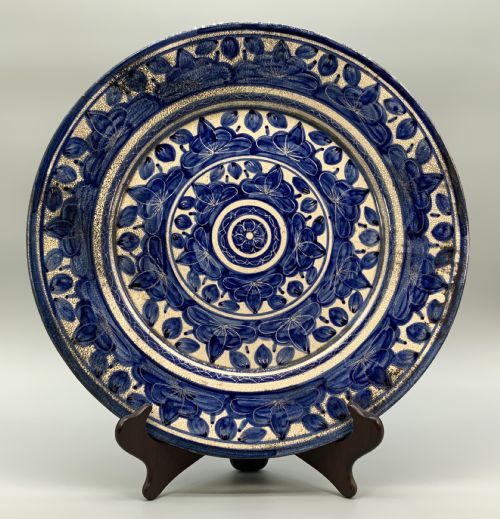
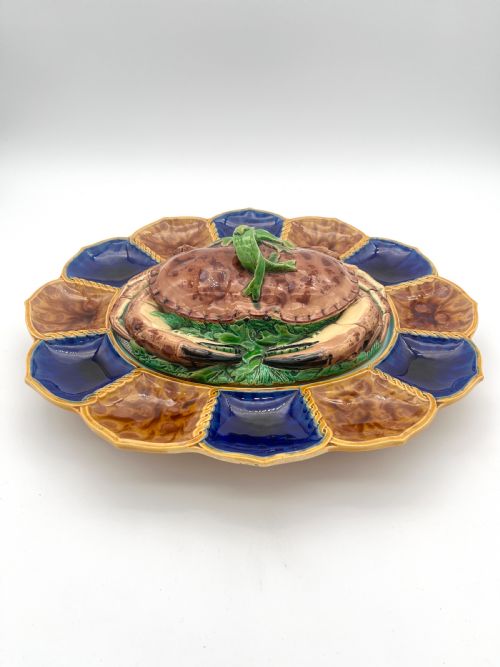
Continental pieces also appear, alongside Victorian majolica and stoneware variations. These items reflect diverse regional traditions while maintaining a consistent focus on blue and white decoration.
Materials and glazing techniques
Makers formed these items using earthenware and stoneware bodies, coating them in tin glaze to create a smooth, opaque white surface. Cobalt pigment and cobalt oxide provided the deep blue colour used for painting intricate designs directly onto the unfired or fired glaze.
Potters shaped chargers and plates on the wheel or pressed them into moulds before applying the metallic oxides. Firing in traditional kilns fixed the cobalt beneath or within the glaze, producing the durable blue and white finishes seen across the centuries.
Listings span periods from the seventeenth century through to the mid-twentieth century, featuring earthenware, tin-glaze, and stoneware.
Evaluating quality in blue and white ceramics
Quality rests upon the crispness of the cobalt painting and the stability of the tin glaze across the surface. Stronger examples display precise brushwork, balanced Chinese inspired motifs or floral patterns, and minimal distortion from the kiln firing.
The weight and thickness of the earthenware body also indicate standard, with finer chargers maintaining an even profile despite their large diameter. Preservation of the original glaze surface determines the visual appeal of an antique piece.
John Ridgway·Minton·Moorcroft
The Cobalt Blue Glazed Plate Glossary
- Tin Glaze
- A ceramic glaze made opaque with oxide of tin, providing a white background for painted decoration. This technique defines traditional Delftware production.
- Charger
- A large decorative plate or dish, typically measuring over twelve inches in diameter. These pieces were often hung on walls or displayed on dressers.
- Delftware
- Tin-glazed earthenware produced in the Netherlands and England from the sixteenth century onwards. It is renowned for blue and white painting.
- Cobalt Oxide
- A mineral compound used to impart a deep blue colour to ceramic glazes and pigments. It remains stable at high kiln temperatures.
- Kraak Plate
- A style of Chinese porcelain imitated by European potteries, characterised by panelled borders and central landscape or floral motifs.
Cobalt Blue Glazed Plate: Frequently Asked Questions
How were antique chargers displayed?
Large chargers served primarily as decorative items in dining rooms and parlours, often mounted on walls using wire hangers or stood upright on dresser shelves.
Their substantial size and painted cobalt designs made them ideal focal points for domestic interiors.
What is the difference between delft and majolica?
Delft refers to tin-glazed earthenware typically decorated with blue and white designs originating from Dutch and English traditions.
Majolica employs coloured lead glazes over an earthenware body, producing vibrant multi-coloured surfaces popular in the Victorian era.
How can I date an old plate?
Dating relies on examining the characteristics of the earthenware body, the tone of the tin glaze, and the style of the cobalt painting.
Eighteenth-century examples often show distinct potting irregularities and softer blue hues compared to later nineteenth-century production.
Are these plates safe for food use?
Historic tin-glazed earthenware and majolica are generally reserved for display rather than daily dining.
Age, porous ceramic bodies, and historical glaze compositions make them unsuited for modern culinary use.