

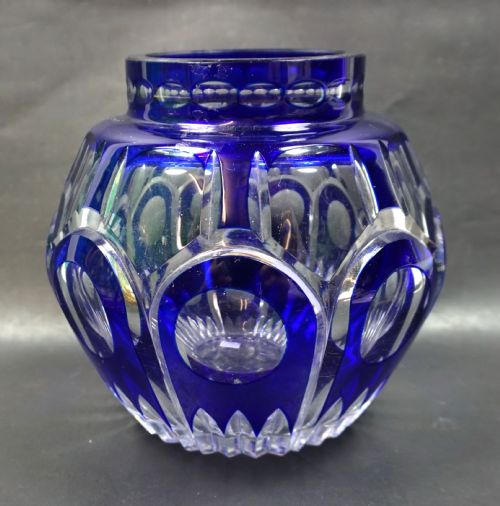


Cobalt Blue Cut Glass
Cobalt blue cut glass combines rich, deep colour with sharp wheel-carved facets that catch the light from every angle.
Cobalt Blue Cut Glass
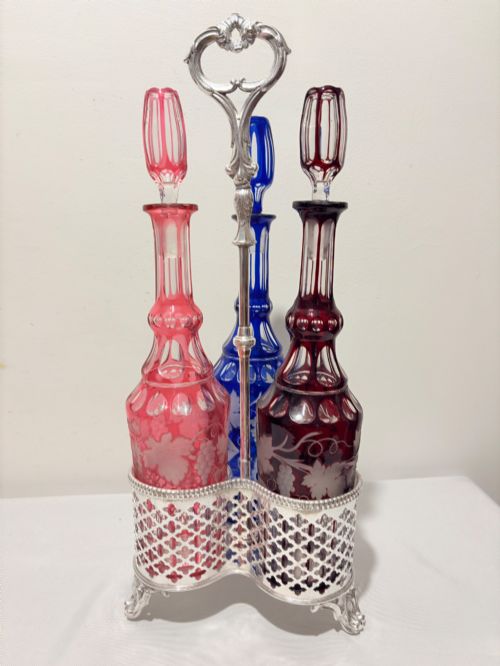
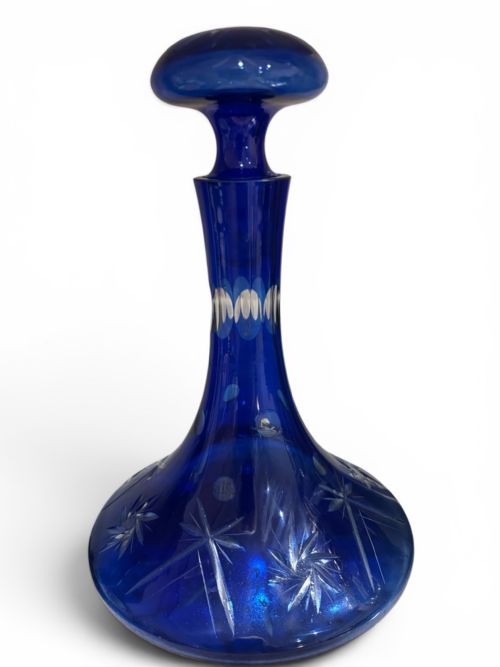
When you search for cobalt blue cut glass, you encounter functional and decorative vessels produced across Europe and Britain from the Georgian era through the Art Deco period. The selection encompasses decanters, vases, scent bottles, lamps, and bowls, spanning Victorian, Bohemian, and continental designs.
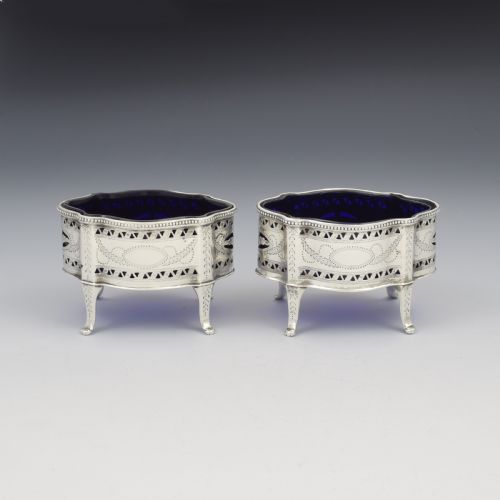
You are most likely to meet Victorian and Bohemian pieces alongside Art Deco Belgian items on this page. These range from small table salts and scent bottles mounted in silver to large decanters, bowls, and table lamps.
Materials and working methods
Makers produced these items using lead crystal, cased glass, and layered glass combined with silver, silver plate, and gilt brass mounts. Artisans applied an intense cobalt colour either throughout the vessel or as an overlay cased over clear crystal before cutting.
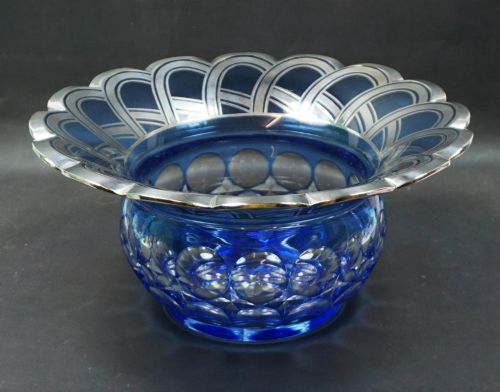
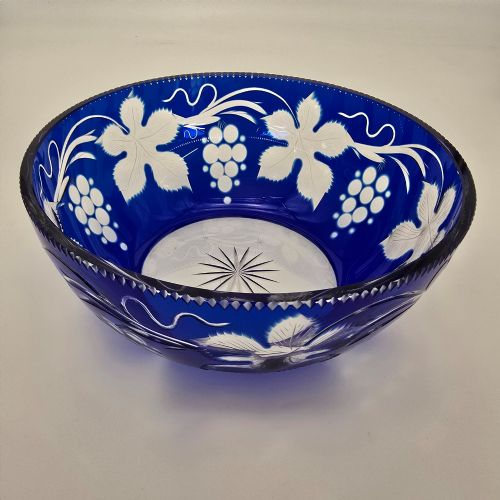
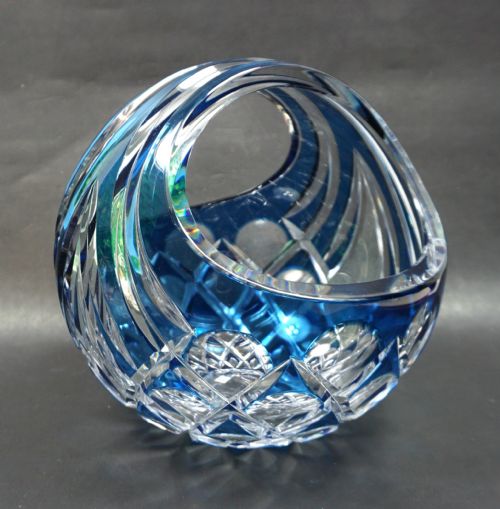
Craftsmen shaped the pieces by grinding and wheel-cutting facets through the coloured outer layer to reveal the clear glass beneath. This cutting technique created sharp geometric patterns, flutes, and stars that contrast with the dark blue body.
Cobalt Blue Cut Glass Retail Price Guide 2026
Typical asking prices for cobalt blue cut glass among the pieces listed under this phrase on Sellingantiques today, from the lower quarter to the upper quarter. They describe what is for sale here now, not the wider market.
Object forms recorded in the archive and current listings include vases, decanters, scent bottles, table lamps, bowls, and salt cellars.
Judging the standard of execution
The distinction between standard and superior pieces rests upon the crispness of the wheel-cut facets and the depth of the glass polish. Sharp, clean edges on the cut patterns and smooth, clear wells indicate superior execution by skilled hands.
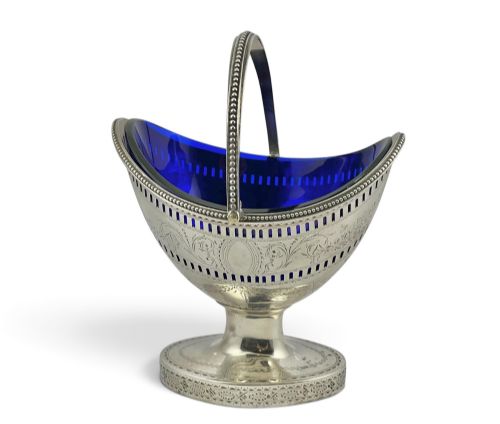
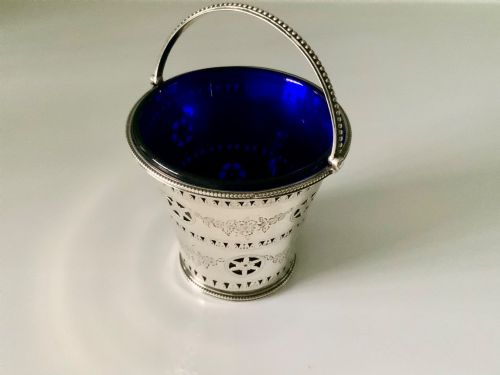
The integration of metal mounts, such as pierced silver frames on salts or silver collars on scent bottles and decanters, influences the overall character. Heavier lead crystal blanks and complex multi-layered overlays demonstrate greater ambition in the workshop.
Joseph Simon for VSL·Val St. Lambert·Moser Crystal·Otto Prutscher
The Cobalt Blue Cut Glass Glossary
- Cased glass
- A method where a layer of coloured glass is fused over a body of clear or contrasting glass before cutting. This technique allows the cutter to slice through the outer layer to expose the material underneath.
- Cut to clear
- A decorative process where thick coloured glass is carved away to reveal the clear crystal beneath. The resulting contrast defines many traditional Victorian and Bohemian vessels.
- Overlay
- A manufacturing technique involving multiple fused layers of glass. Artisans cut through the outer skin to create intricate patterns of alternating colour and transparency.
- Bristol blue
- A deep cobalt glass traditionally associated with English production centres in the West Country during the Georgian and Victorian eras. It appears frequently on serving bottles and tablewares.
- Salt cellar
- A small open vessel placed on the dining table to hold salt before the invention of the shaker. They often feature detailed silver mounts and rich cut glass bodies.
Cobalt Blue Cut Glass: Frequently Asked Questions
How do I clean cobalt blue cut glass?
Wash the glass by hand in lukewarm water using a mild, non-abrasive detergent. Avoid sudden temperature changes to prevent cracking the material.
Dry the piece immediately with a soft lint-free cloth to maintain the brilliance of the cut facets and any silver mounts.
Are these pieces made of lead crystal?
Many examples on this page are formed from lead crystal or heavy glass. Lead content adds weight and clarity to the vessel.
Objects made this way produce a clear resonant ring when gently tapped on the rim.
How can I tell Victorian from Art Deco pieces?
Victorian items tend to feature ornate cut patterns, heavy silver mounts, and traditional forms such as lustres and scent bottles. They rely on dense geometric or floral arrangements.
Art Deco works from the 1920s and 1930s favour streamlined silhouettes, minimalist cutting, and modernist proportions associated with Belgian and European workshops.
Can I use these decanters for wine?
Most antique decanters function well for serving wine after a careful interior rinse. Check the inside for any stubborn staining or residue from previous contents.
Ensure that any silver or plated collars are handled carefully and kept dry during the cleaning process.