




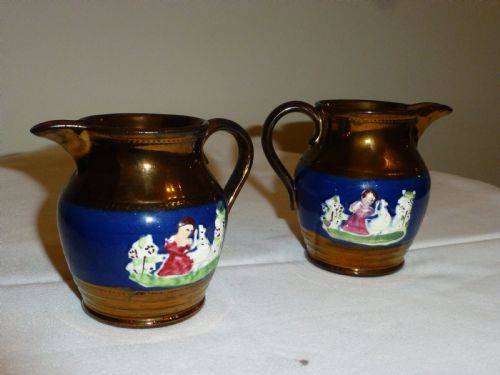

Cobalt Blue Creamer
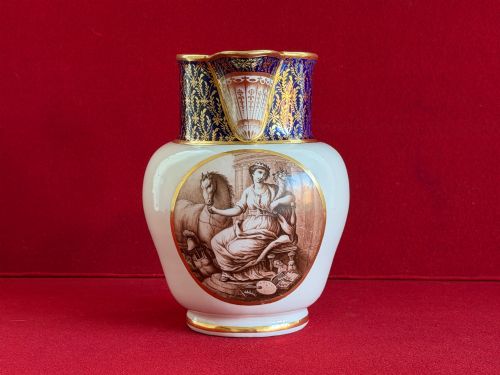
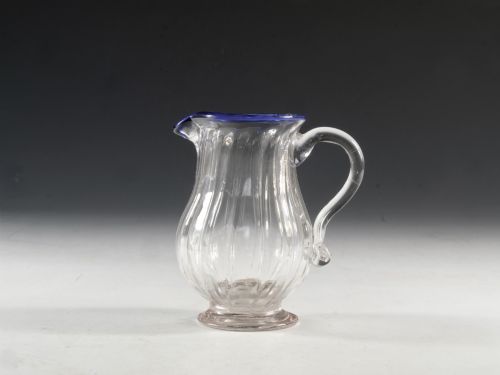
These cobalt blue creamers bring rich colour to the table, combining striking glazed pottery and vibrant glass in small pouring vessels designed for daily service.
Cobalt Blue Creamer
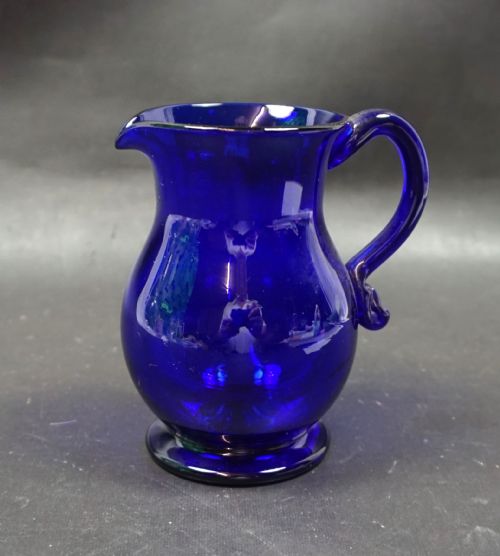
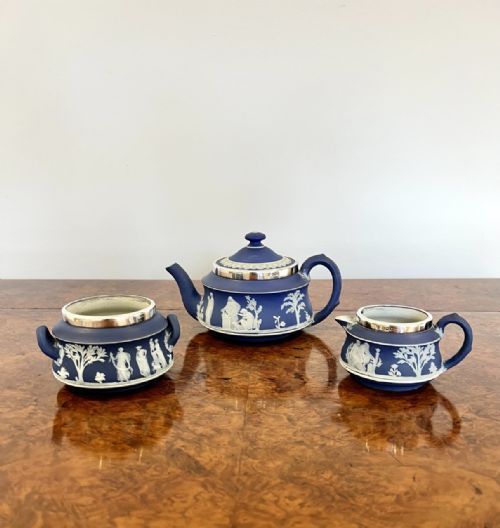
A cobalt blue creamer is a small pouring vessel intended for milk or cream, appearing in forms ranging from traditional cream jugs to elements within larger tea sets. When searching for a cobalt blue creamer, collectors encounter pieces spanning the eighteenth and nineteenth centuries, taking the shape of earthenware, porcelain, and glass bodies.
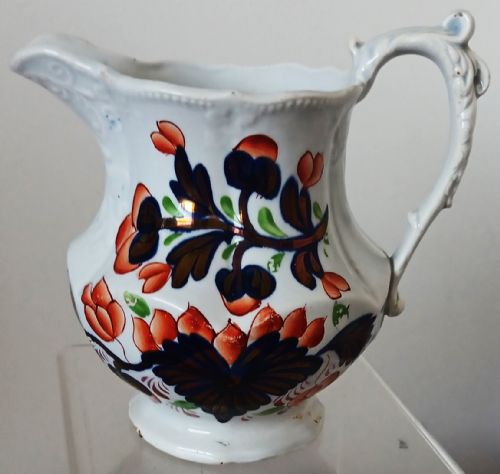
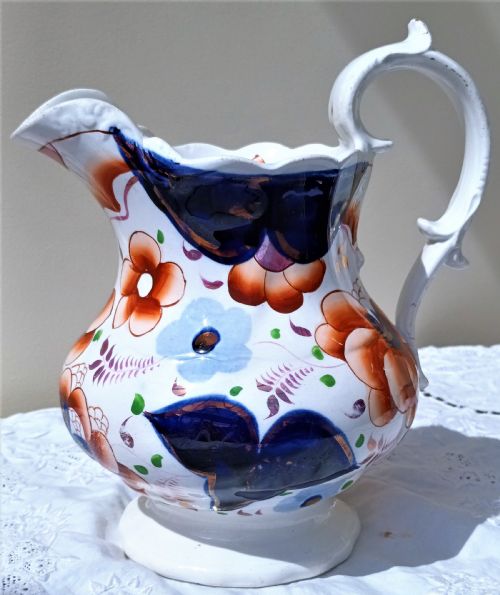
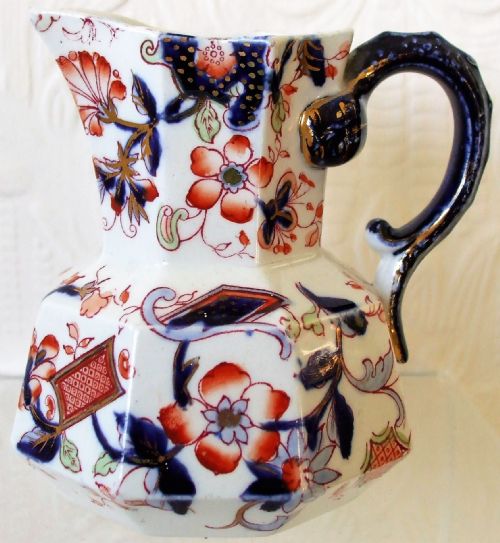
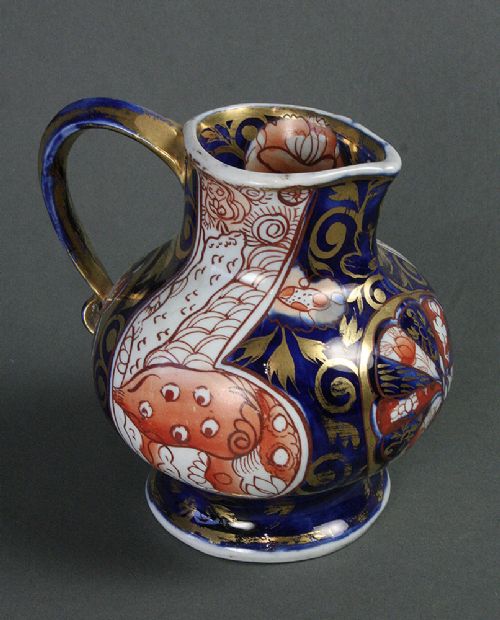
The selections available here showcase distinct stylistic periods, including Georgian and Victorian examples alongside early nineteenth century pieces. Common ceramic and glass forms include the hydra jug, copper lustre variants, and moulded earthenware decorated with rich blue tones and patterns such as Gaudy Welsh.
Many of these creamers originate from notable British potteries and glasshouses, utilising cobalt pigment to achieve deep, saturated blue hues. Buyers find both standalone jugs and matched components from larger tableware services.
Manufacturing and Materials
Moulding and throwing techniques shaped the clay bodies into forms like the hydra jug or wrythened glass vessels, sometimes incorporating applied handles and spouts. Artisans frequently enhanced select details with gold leaf or paired the ceramics with silver mounts.
Cobalt Blue Creamer Retail Price Guide 2026
Typical asking prices for cobalt blue creamer among the pieces listed under this phrase on Sellingantiques today, from the lower quarter to the upper quarter. They describe what is for sale here now, not the wider market.
Pottery jugs on this page include traditional patterns like Gaudy Welsh alongside moulded ironstone body shapes.
Judging Quality
Quality rests in the crispness of the moulding and the depth of the cobalt coloration across the body of the creamer. Finer pieces display careful execution in applied elements such as handles, spouts, and metal mounts.
The application of secondary decorations, including gold leaf accents or intricate patterns like Gaudy Welsh, distinguishes standard production items from finer factory pieces. Condition of the glaze and the integrity of the material remain central to the integrity of each vessel.
Flight and Barr·John Pennington·Keeling and Co·Wedgwood·Royal Davenport·Mason's
The Cobalt Blue Creamer Glossary
- Cobalt glass
- Glass coloured with cobalt oxide during the melting process, resulting in a rich, transparent or translucent blue shade.
- Hydra jug
- A ceramic pitcher featuring a distinctive serpentine handle and flared rim, frequently produced by English potteries.
- Copper lustre
- A metallic pottery glaze containing copper that imparts a coppery sheen, often combined with blue ceramic grounds.
- Wrythen
- A decorative spiral pattern moulded or twisted into the body of glassware during formation.
- Ironstone
- A durable type of earthenware patented in the nineteenth century as a hard-wearing alternative to porcelain.
Cobalt Blue Creamer: Frequently Asked Questions
What is a cobalt blue creamer used for?
These vessels were originally designed to hold and pour cream or milk during tea service.
Today, collectors use them as decorative table accents or small display pitchers.
How do I care for antique glass and pottery creamers?
Wash these pieces gently by hand using warm water and mild soap to protect the glaze and any delicate surface gilding.
Avoid extreme temperature changes and dishwashers to preserve the historic materials.
How can I tell a Georgian creamer from a Victorian one?
Georgian pieces often display neoclassical lines, finer porcelain bodies, or simple glass forms dating from around eighteen hundred.
Victorian examples frequently showcase bolder pottery patterns, ironstone construction, or silver mounts typical of the later nineteenth century.
Are all blue creamers made of glass?
No, the selection includes pieces made from porcelain, earthenware, and ironstone alongside cobalt glass.
The blue colour is achieved either through coloured glass batches or through blue ceramic glazes and underglaze painting.