

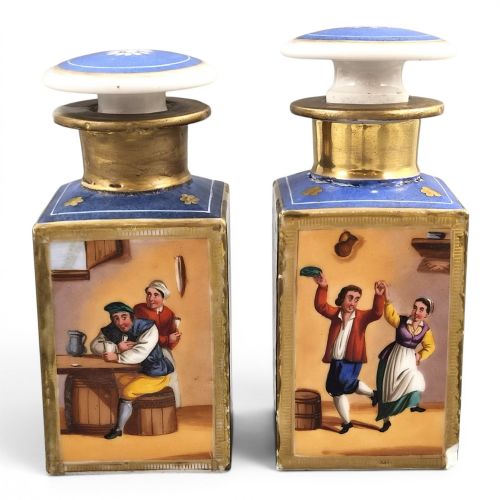


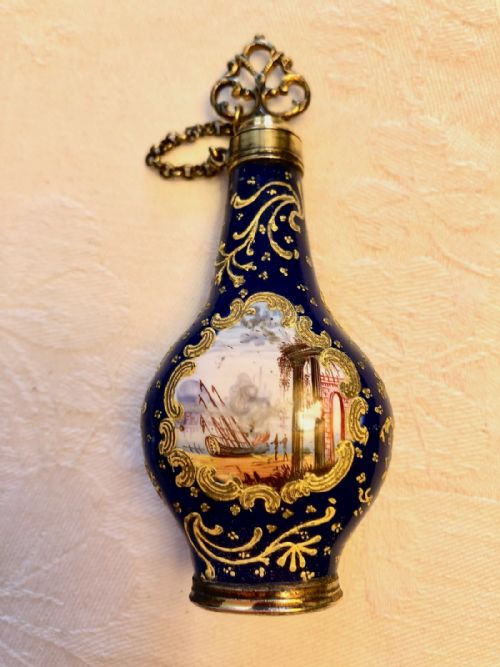


Cobalt Blue Ceramic Bottle
Cobalt blue ceramic bottle pieces bring deep saturated pigment and striking forms to a room, spanning multiple centuries and ceramic traditions.
Cobalt Blue Ceramic Bottle
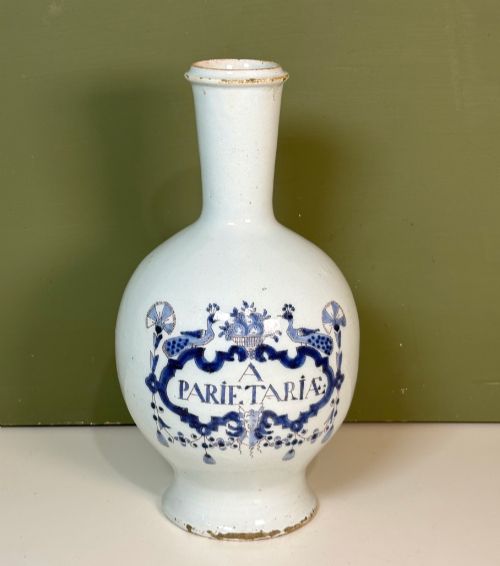
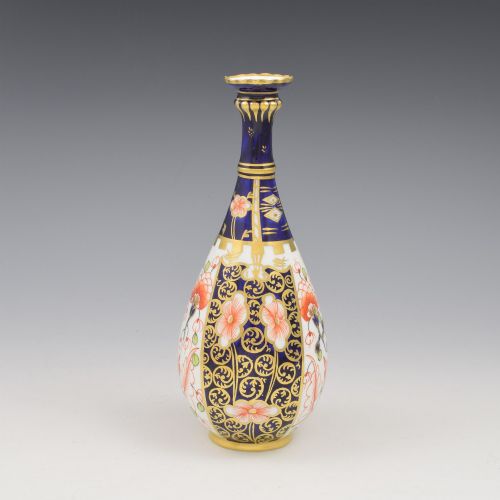
A cobalt blue ceramic bottle encompasses a range of vessels from small scent containers to large display vases. Buyers searching for a cobalt blue ceramic bottle encounter pieces shaped in traditional forms such as double-gourd profiles, flaring necks, and miniature scent holders.
The selection here draws from diverse origins, including English porcelain factories, continental makers, and Asian kilns. Pieces span chronological periods from the seventeenth century through the Edwardian era, showing how different makers interpreted the striking blue glaze.
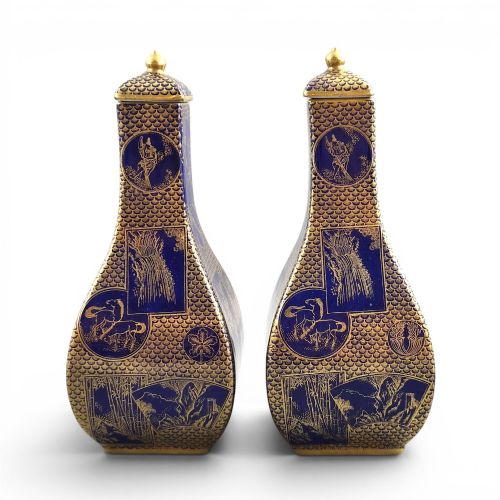
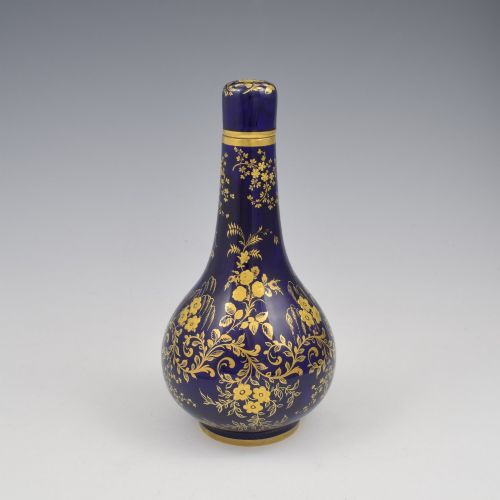
Vessels take many functional and decorative forms, including garniture sets, perfume bottles, wine bottles, and rose water sprinklers. The overarching link across these objects remains the use of cobalt decoration upon a ceramic body.
Materials and Construction
Makers utilised porcelain, ironstone, and earthenware as the primary ceramic bodies for these vessels. Cobalt glaze and underglaze blue provided the deep coloration that defines the group.
Many examples incorporate supplementary decoration such as gold leaf, gilt highlights, and hand-painted enamel scenes. Potters applied these metallic accents and pigments over or beneath the glaze before final firing.
Cobalt Blue Ceramic Bottle Retail Price Guide 2026
Typical asking prices for cobalt blue ceramic bottle among the pieces listed under this phrase on Sellingantiques today, from the lower quarter to the upper quarter. They describe what is for sale here now, not the wider market.
Listings feature pieces spanning the seventeenth century to the Edwardian period, utilising porcelain, ironstone, and enamel.
Assessing Quality and Execution
The refinement of the ceramic body and the depth of the cobalt glaze determine the visual impact of each piece. Superior examples display crisp potting and an even distribution of the blue pigment across complex contours.
Pint-sized details such as hand-painted scenes, gilt embellishments, and factory marks separate standard production from exceptional works. Skilled brushwork and precise gilding elevate the standing of a vessel within its period.
Mason's Patent Ironstone·Jacob Petit·Crown Staffordshire·Flight, Barr & Barr·Doulton
The Cobalt Blue Ceramic Bottle Glossary
- Cobalt Glaze
- A metallic oxide pigment applied to ceramics to produce a rich blue colour during firing. This glaze remains stable at high temperatures, creating durable and vibrant surfaces.
- Garniture
- A set of three or more matching vases designed to be displayed together on a mantelpiece or sideboard. These matched groups often share identical decorative schemes and forms.
- Ironstone
- A patented heavy earthenware developed in the nineteenth century to imitate porcelain. It offers high durability while accepting cobalt transfer printing and hand-painting.
- Rose Water Sprinkler
- A narrow-necked vessel traditionally used for dispersing scented water. These pieces frequently feature spherical bodies and elongated spouts for controlled pouring.
- Underglaze Blue
- Pigment applied directly to the unfired ceramic body before a clear glaze layer goes over the top. This technique protects the blue decoration from wear over centuries of handling.
Cobalt Blue Ceramic Bottle: Frequently Asked Questions
How do I date a cobalt blue ceramic bottle?
Dating relies on identifying factory marks, stylistic traits of the period, and the composition of the ceramic body. Examining the base and the manner of the cobalt application often reveals the manufacturing era.
Changes in potting techniques and glaze formulas across the centuries help narrow down the decade of production when visual styles overlap.
What is the difference between porcelain and ironstone bottles?
Porcelain is a vitrified ceramic material that is hard, dense, and sometimes translucent when held to the light. Ironstone is a dense, opaque earthenware developed to be strong and practical.
Both materials accept cobalt blue decoration effectively, but porcelain generally presents a finer, more delicate profile than the sturdier ironstone.
Where were these decorative bottles displayed historically?
Garnitures and larger vases typically sat upon mantelpieces, console tables, and architectural ledges in formal reception rooms. Smaller scent bottles and perfume flasks were kept in private chambers, dressing rooms, and vanity cabinets.
Display choices depended on the scale of the vessel and its intended function as either architectural ornamentation or personal accessory.
How should I care for antique ceramic bottles?
Maintain these pieces by dusting them gently with a soft, dry brush and avoiding harsh cleaning agents. Keep them away from direct sunlight to protect any delicate gilt or enamel highlights.
Handle perfume bottles and small vases by the body rather than the neck or cover to prevent accidental drops or strain on fitted lids.