

Coat Rack
A proper coat rack organises an entrance hall with solid timber and brass work that lasts generations.
Coat Rack
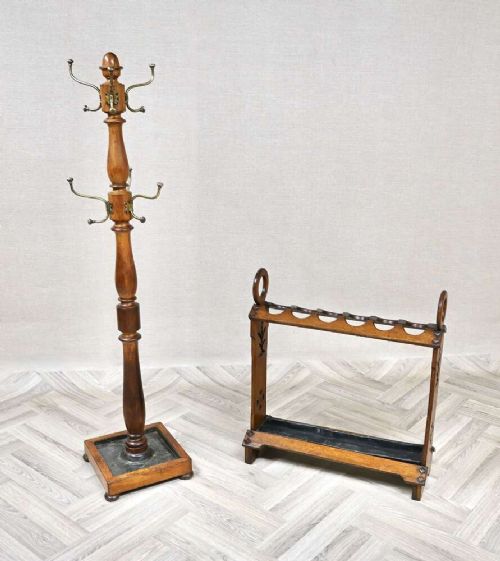
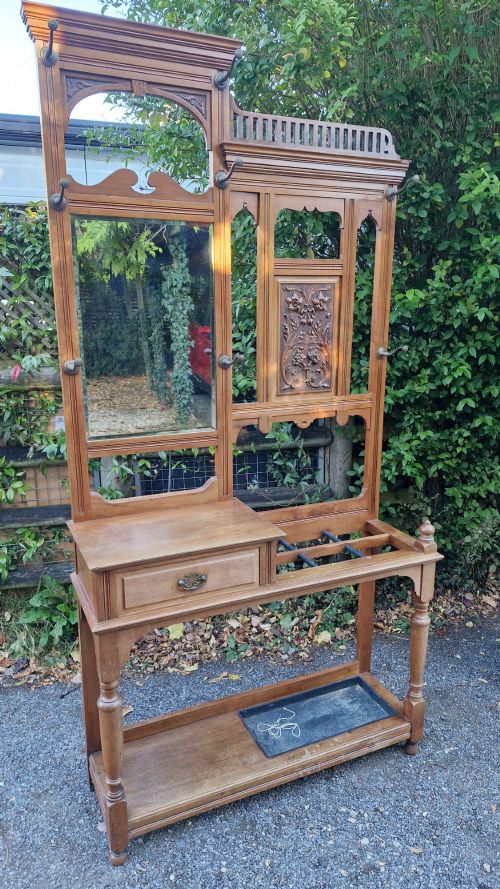
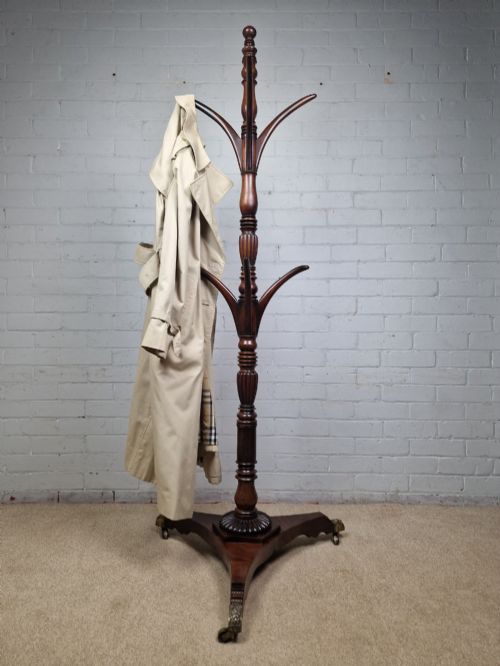
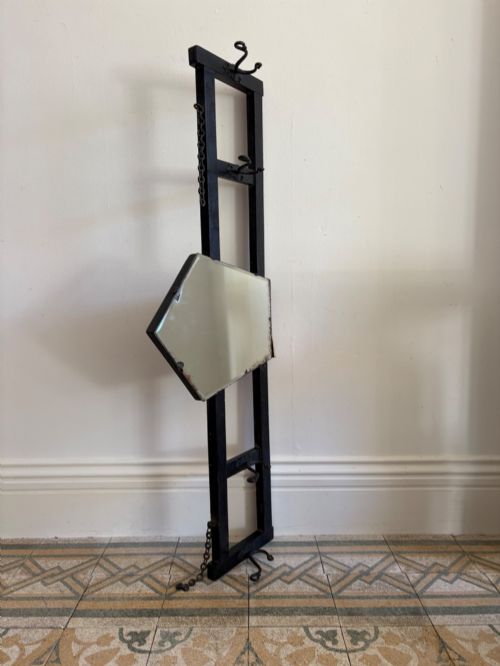
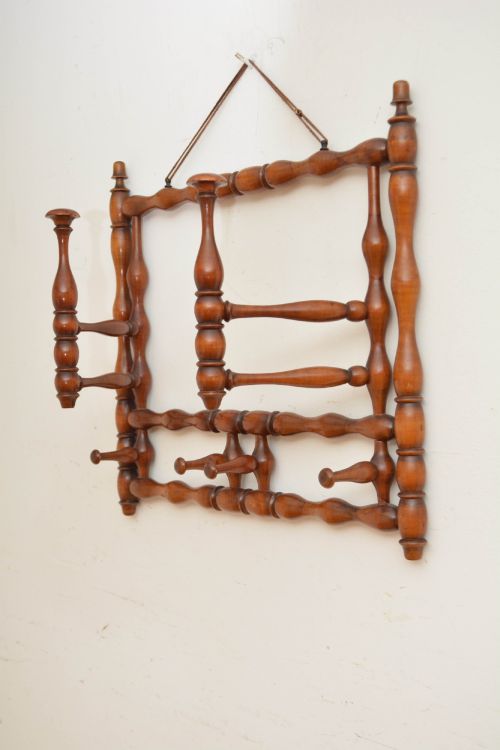
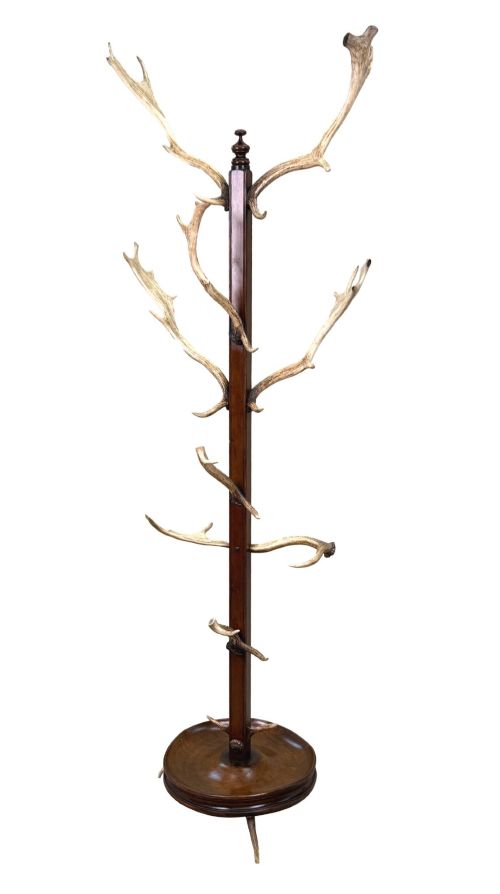
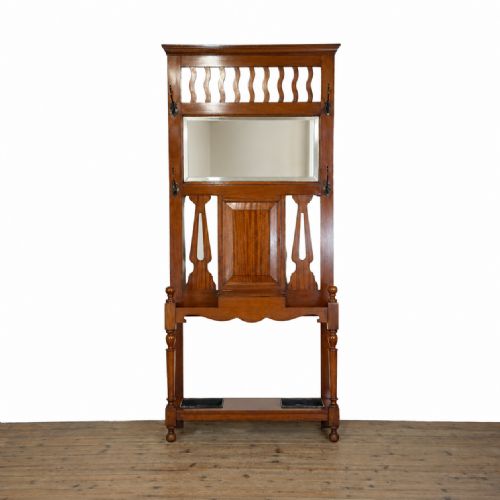
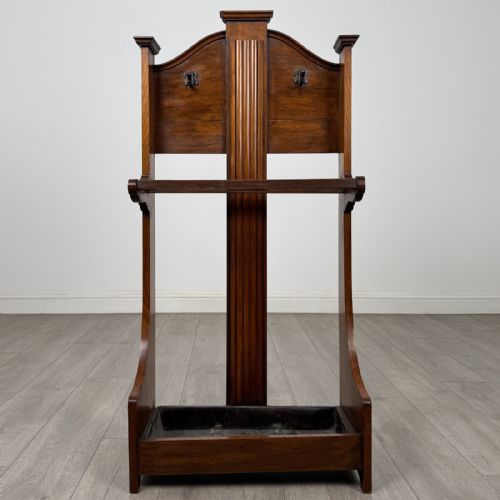
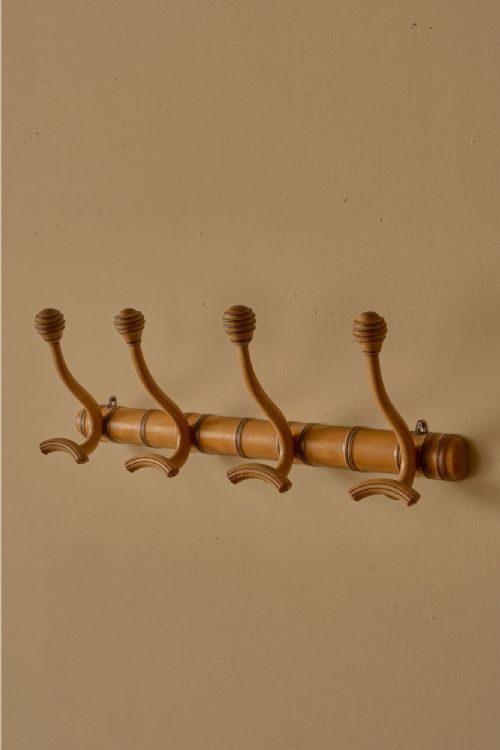
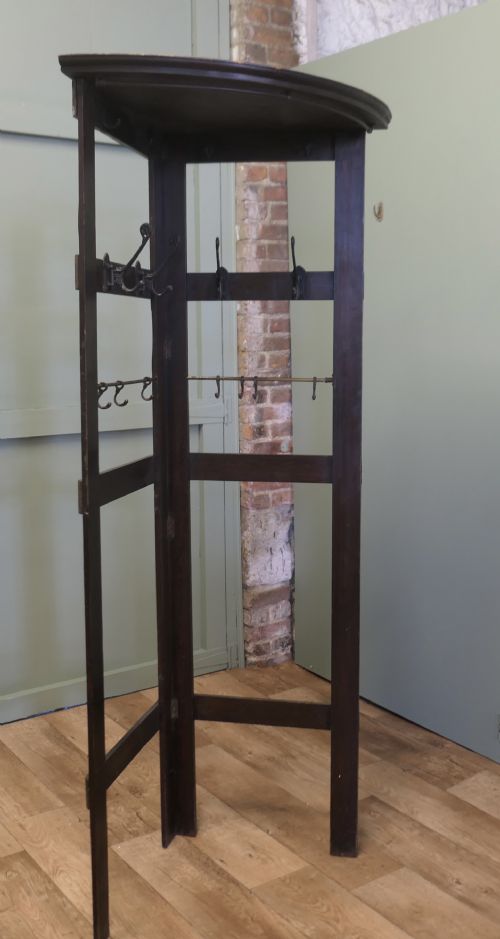
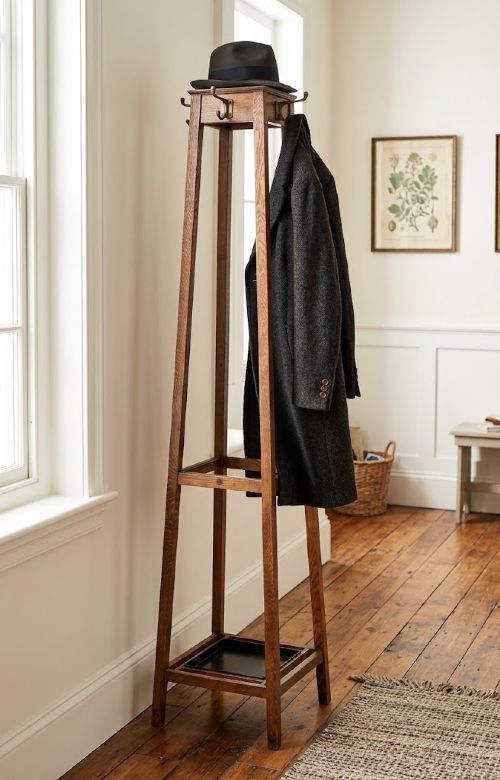
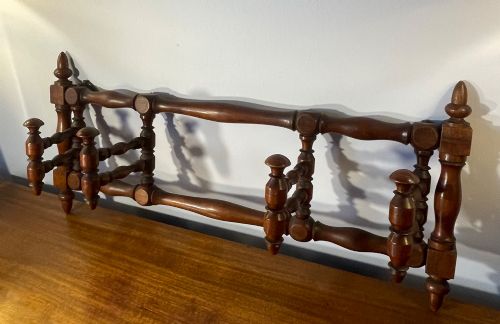
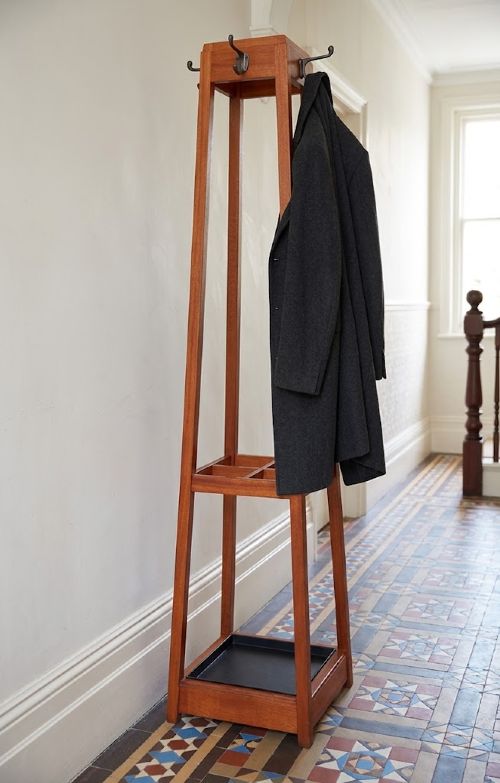
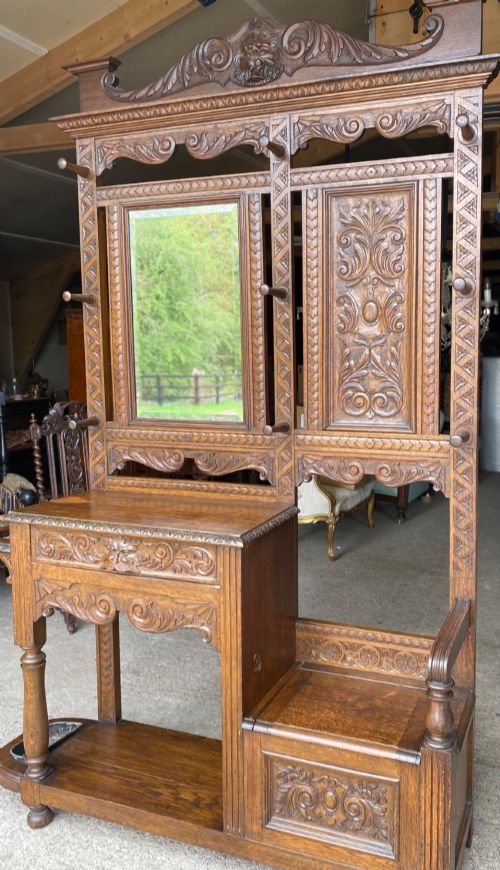
When you search for a coat rack, you encounter practical hallway furniture and wall fixtures spanning from the Victorian and Edwardian eras into the early twentieth century. These pieces encompass freestanding hat stands, wall-mounted wooden plaques with brass hooks, and multi-functional hall stands incorporating umbrella holders and mirrors.
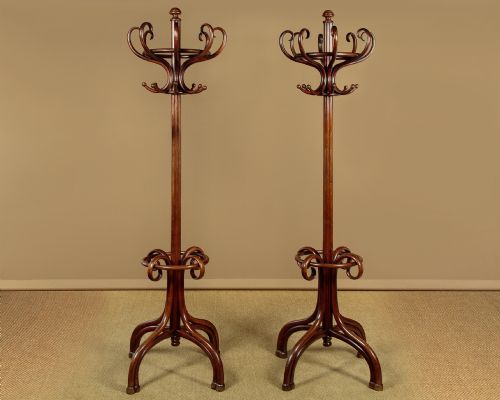
The version you are most likely to meet on this page is a solid oak or mahogany piece featuring turned wood, bentwood components, or decorative cast brass hooks. Originating from English and French workshops, they range from compact wall strips to large hall trees designed for grand entranceways.
How they were made
Cabinet makers utilised dense hardwoods such as oak, mahogany, walnut, and beech, often turning structural columns on a lathe or steaming timber to achieve curved bentwood profiles. Wall-mounted racks frequently feature backplates of solid oak or mahogany mounted with cast brass, iron, or ceramic hooks.
Surface decoration relied on natural wood grains enhanced with polishing, ebonising, or lacquer work, alongside carved architectural details. Practical additions such as zinc drip trays, mirror glass plates, and swivelling hooks were integrated directly into the framing.
Coat Rack Retail Price Guide 2026
Typical asking prices for coat rack among the pieces listed under this phrase on Sellingantiques today, from the lower quarter to the upper quarter. They describe what is for sale here now, not the wider market.
Hardware materials recorded on these pieces include cast iron, brass, ceramic, and glass.
What varies in quality
The distinction between standard utility items and finer pieces lies in the choice of materials and the complexity of construction. Solid timbers like walnut and figured mahogany with hand-carved detailing sit above simpler pine or secondary woods.
Hardware quality defines the tier of the piece, with heavy cast brass, porcelain inserts, and integrated drip trays marking out superior workshop production compared to basic stamped metal alternatives.
The Coat Rack Glossary
- Bentwood
- Wood steamed and bent into curved structural forms. This technique created lightweight yet resilient hat and coat stands during the late nineteenth century.
- Hall Stand
- A large multi-functional entrance piece. It combines coat hooks, a mirror, umbrella storage, and frequently a bench seat.
- Faux Bamboo
- Wood carved and painted to resemble natural bamboo shoots. This decorative treatment appeared frequently on French aesthetic period hall furniture.
- Gothic Revival
- An architectural style applied to nineteenth-century furnishings. It utilises pointed arches, heavy oak framing, and medieval motifs.
- Black Forest
- Carved wooden items originating from central Europe. They often feature naturalistic animal carvings and detailed foliage.
Coat Rack: Frequently Asked Questions
Where should a wall coat rack be mounted?
Wall-mounted racks require solid fixing into wall studs or masonry to support the weight of heavy winter garments. Height placement depends on household use, though standard installation sits at eye level for adults.
Ensuring adequate clearance around doors and hallways prevents garments from obstructing movement through the space.
How do I care for antique wood furniture?
Regular dusting with a dry cloth keeps timber surfaces clean without damaging the polished finish. Avoiding direct sunlight prevents the mahogany and oak from fading over time.
Periodic application of appropriate wax feeds the grain and maintains the natural lustre of the antique wood.
What is the difference between a hall stand and a coat rack?
A coat rack is typically a wall-mounted rail or a freestanding vertical pole designed specifically for hanging garments and hats. Hall stands are much larger architectural pieces incorporating benches, mirrors, and umbrella compartments.
Both items served the same foundational purpose of organising entranceways in period homes.
How do I identify a bentwood hat stand?
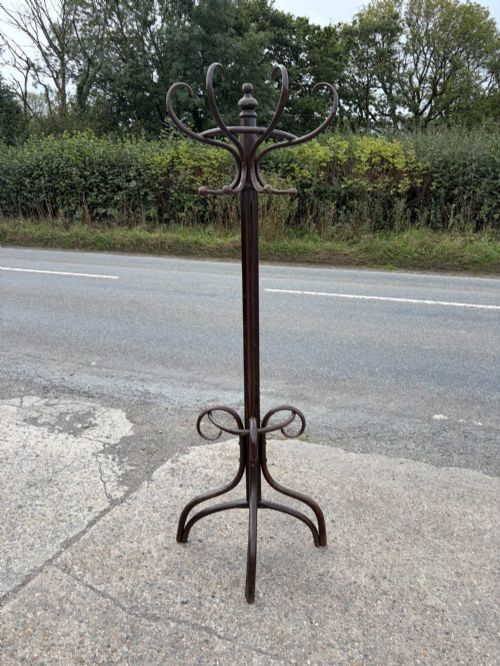
Bentwood stands feature continuous curved wooden sections forming the legs, stem, and upper hanging loops without visible joints. This manufacturing method allows the frame to maintain spring and flexibility.
Victorian and Edwardian examples often bear maker stamps or labels near the base of the central column.