



Coastal Maritime Art
Coastal maritime art captures the enduring pull of the sea through painted harbours, coastal landscapes, and detailed marine scenes.
Coastal Maritime Art
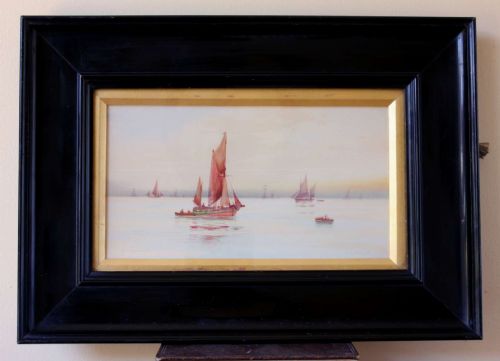
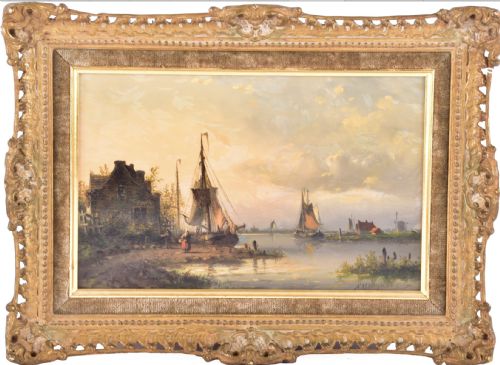
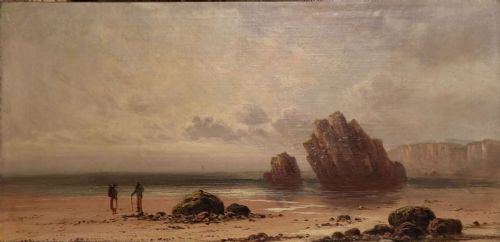
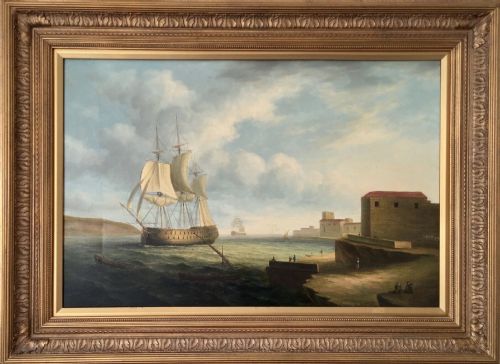
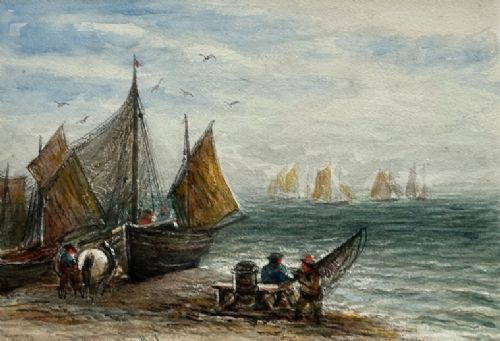
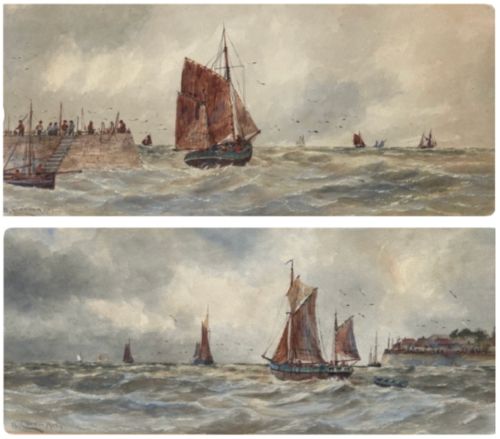
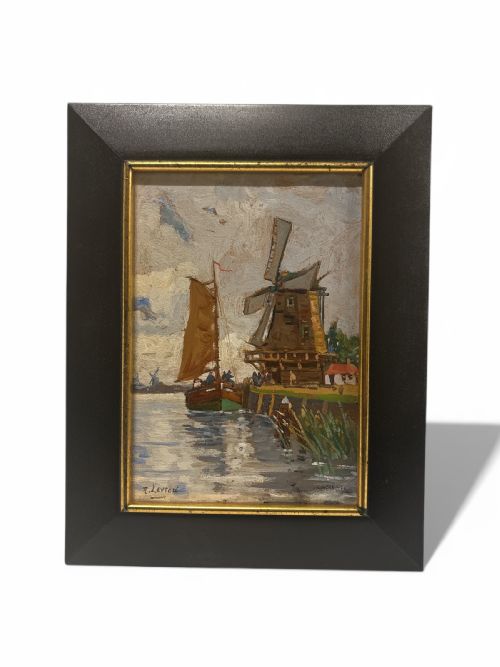
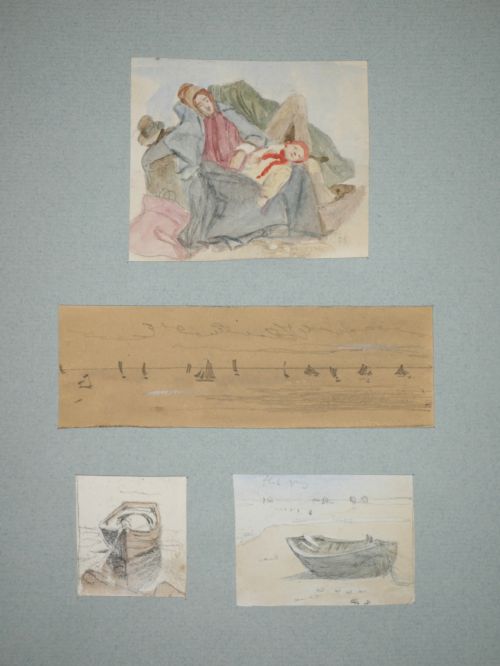
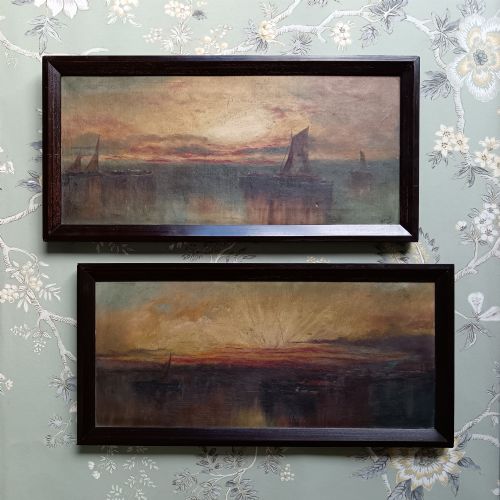
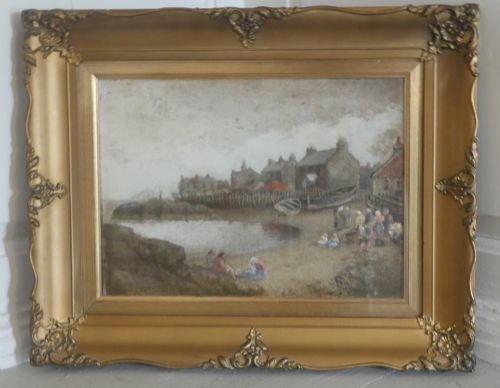
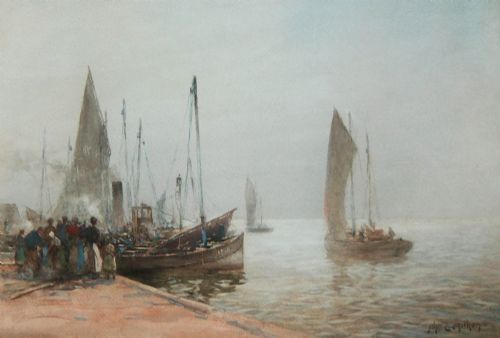
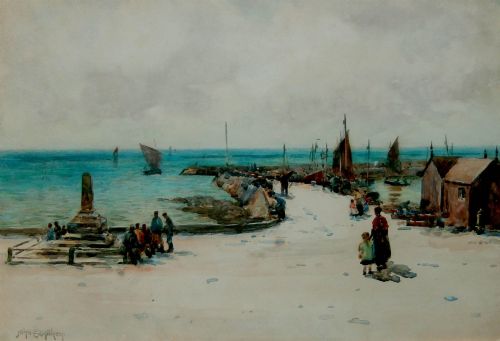
When you search for coastal maritime art, you encounter a varied selection of works documenting the sea, shores, and harbours. The pieces span oil paintings on canvas and board alongside delicate watercolours on paper, capturing vessels, fishing boats, and coastal villages.
The selection ranges from traditional nineteenth-century watercolours and Victorian marine canvases to mid-twentieth-century British impressionism and folk art. You are most likely to meet framed oil paintings and watercolours depicting British and European coastal views, alongside occasional folk art objects decorated with shells.
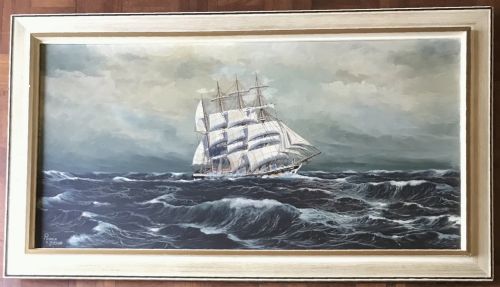
These works focus heavily on shipping, harbour life, and changing weather along the coast. Artists recorded specific locations such as St Ives, Whitby, and foreign ports, rendering everything from calm fishing fleets to ships navigating heavy seas.
Factors determining quality
Quality in these works rests upon the artist's command of light, atmosphere, and maritime architecture. Stronger examples demonstrate precise handling of water, rigging, and vessel construction, whereas lesser works rely on formulaic compositions and stiff application.
The condition of the paper, canvas, and original frame influences the overall standing of a piece. Works retaining their period gilt wood frames and displaying stable paint layers without extensive overpainting hold greater appeal for collectors.
Listings feature works spanning the nineteenth century to the nineteen-sixties, executed in oil on canvas, watercolour on paper, and wood.
James Hardy·Kenneth Cozens·James Orrock·William Cannon·James E. Aitken·John E. Aitken·William Banks Fortescue·Thomas William Morley·Paul Bret·Hector Caffieri·Bernard Benedict Hemy·Thomas Creswick·Thomas Maidment·TB Hardy·Donald McIntyre·John Wilson Carmichael·Abraham Cooper·Joseph Farquharson·John Moore of Ipswich
The Coastal Maritime Art Glossary
- Watercolour
- A paint consisting of pigment suspended in a water-soluble binder, traditionally applied to paper to create translucent washes.
- Impasto
- Paint applied thickly to a canvas or board, leaving visible brush or palette knife marks that stand out from the surface.
- Gilt wood
- Wood that has been coated with a thin layer of gold leaf or gold paint, commonly used for traditional picture frames.
- Diorama
- A three-dimensional scene, frequently depicting a ship at sea enclosed within a glass bottle or display case.
- Seascape
- A work of art that depicts the sea, coastal views, shipping, or marine subjects.
Coastal Maritime Art: Frequently Asked Questions
What subjects appear in coastal maritime art?
These works primarily feature sailing vessels, warplanes, fishing boats, and bustling harbour scenes alongside rocky coastal landscapes and quiet shores. Artists documented both specific named ports and broader atmospheric views of the sea.
Subjects range from calm coastal villages with figures unloading the catch to dramatic depictions of ships navigating stormy waters under heavy skies.
How do I care for antique watercolours?
Watercolours on paper require protection from direct sunlight to prevent the pigments and paper from fading over time. Keeping them in stable humidity conditions prevents mould growth and paper degradation.
Framing with acid-free mounts and glass with ultraviolet filtering helps preserve the integrity of nineteenth-century works on paper.
What periods do these pieces cover?
The available works span from the nineteenth century through the Edwardian era and into the mid-twentieth century. This includes Victorian marine art, early twentieth-century British impressionism, and interwar folk pieces.
Dates inscribed on the works or documented by signatures often place them specifically within decades such as the eighteen-sixties, nineteen-hundreds, or nineteen-fifties.
How should I display a marine painting?
Marine paintings suit rooms with traditional or eclectic decor, often serving as a focal point above a mantelpiece or along a hallway. Pairing them with their original gilt wood frames enhances their period character.
Ensure the hanging wall avoids excessive moisture and direct heat sources to protect canvas, board, and wooden frames alike.