



Clear Glass Lemonade Pitcher
A clear glass lemonade pitcher is a practical serving vessel you will find in Victorian, Edwardian, and Art Deco styles.
Clear Glass Lemonade Pitcher
When you search for a clear glass lemonade pitcher, you are looking at utilitarian drinkware designed for summer refreshments, water, and Pimms. The pieces gathered here span from the mid-nineteenth century through to the Art Deco period of the nineteen-thirties, taking the form of jugs, pitchers, and complete drinkware sets.
You are most likely to meet heavy Edwardian cut glass jugs or Victorian pieces featuring etched birds and branches. Some examples arrive paired with matching sets of glasses or incorporate silver-plated mounts and internal ice tubes to keep drinks cool without dilution.
How they were made
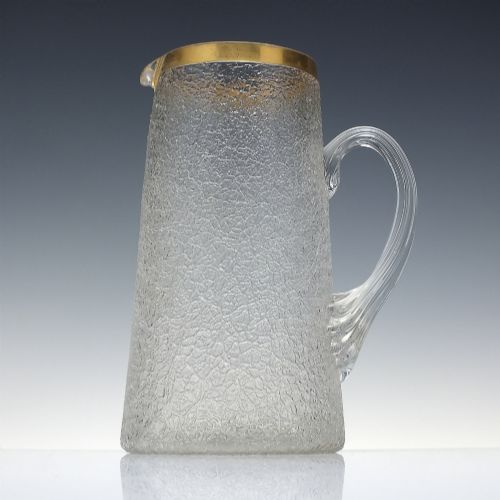
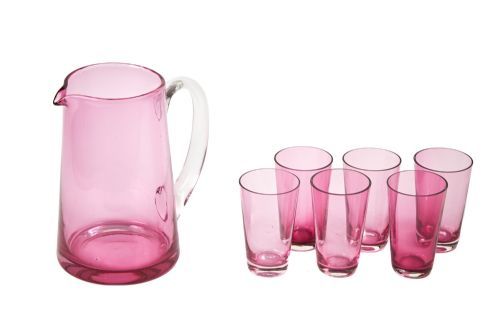
These vessels rely primarily on lead crystal and clear glass, sometimes enhanced with cranberry glass accents, gold leaf rims, or silver plate mounts. Makers shaped the glass through blowing and moulding before applying deep geometric cutting or delicate hand-engraving.
The addition of metal elements, such as silver-plated rims and internal cooling cylinders, demonstrates advanced manufacturing techniques used by prominent silversmiths and glassworks of the period.
Clear Glass Lemonade Pitcher Retail Price Guide 2026
Typical asking prices for clear glass lemonade pitcher among the pieces listed under this phrase on Sellingantiques today, from the lower quarter to the upper quarter. They describe what is for sale here now, not the wider market.
Several pitchers include internal ice tubes so Victorian guests could enjoy chilled lemonade without the ice melting into the drink.
What varies in quality
The distinction between ordinary and exceptional pieces lies in the crispness of the glass cutting and the weight of the material. Superior examples display deep, sharp facets that catch the light, whereas lesser items rely on shallow moulding.
Quality also rests in the execution of decorative details, such as the precision of hand-engraved motifs like birds and branches, and the substantial feel of the handle and base in the hand.
Mappin & Webb·Elkington & Co
The Clear Glass Lemonade Pitcher Glossary
- Cut glass
- Glass decorated by grinding facets and patterns into the surface using rotating wheels. This technique creates sharp edges and brilliant light refraction.
- Lead crystal
- Glass containing metal oxide that increases weight, clarity, and brilliance. It allows for deeper and sharper cutting than standard glass.
- Silver plate
- A layer of silver bonded to a base metal foundation. It provided tableware with the appearance of solid silver at a lower cost.
- Ice tube
- A cylindrical metal insert placed inside the pitcher to hold ice. This chilled the liquid without melting and diluting the contents.
- Overshot glass
- Glass featuring a rough, textured surface created by rolling hot glass over fragments of crushed glass. This technique produces a frosted appearance.
Clear Glass Lemonade Pitcher: Frequently Asked Questions
What is a lemonade pitcher used for?
These pitchers served lemonade, water, and Pimms during gatherings in the Victorian and Edwardian eras. Their capacity made them suitable for family dining and entertaining guests.
Today, they function as both decorative display items and usable serving vessels for modern dining tables.
How do ice tubes work?
An ice tube is a sealed metal cylinder that slots down into the centre of the jug. Ice is placed inside the tube to chill the drink directly.
This design prevents melting ice from watering down the lemonade during a long afternoon tea.
How do I date a glass pitcher?
Dating relies on stylistic markers, glass weight, and manufacturing techniques. Heavy hand-cut glass often points to the Victorian and Edwardian periods, while geometric silhouettes suggest the Art Deco era.
Makers' marks on silver-plated mounts also help establish a precise decade of production.
Are these pitchers dishwasher safe?
Antique glass and delicate silver plate require careful hand washing in warm, soapy water. Thermal shock and harsh detergents can damage old lead crystal and remove gilding.
Storing them safely away from crowded cupboards protects handles and rims from chipping.