





Clear Glass Lamp Shade
A clear glass lamp shade diffuses brilliant task illumination while adding period character to an interior.
Clear Glass Lamp Shade
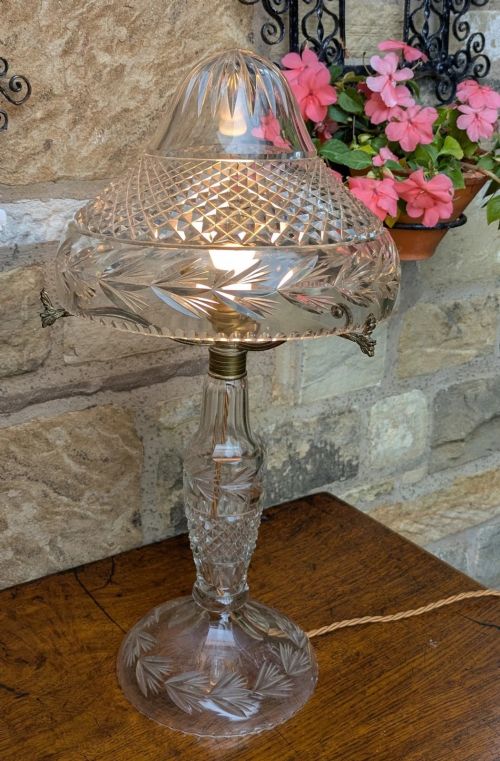
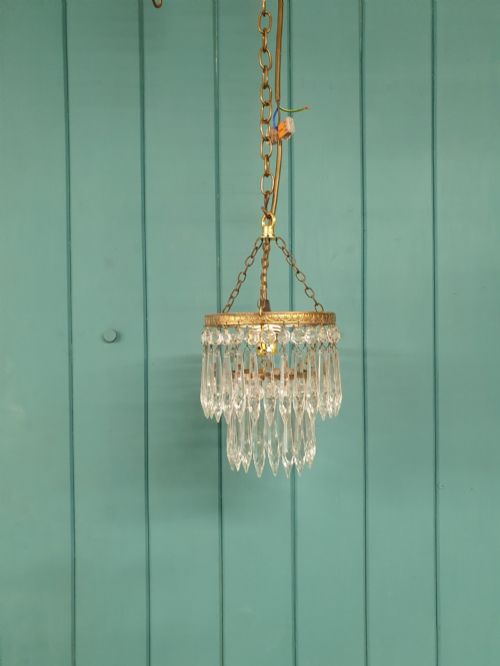
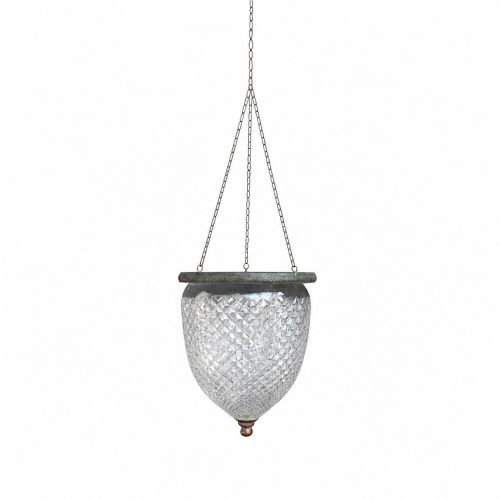
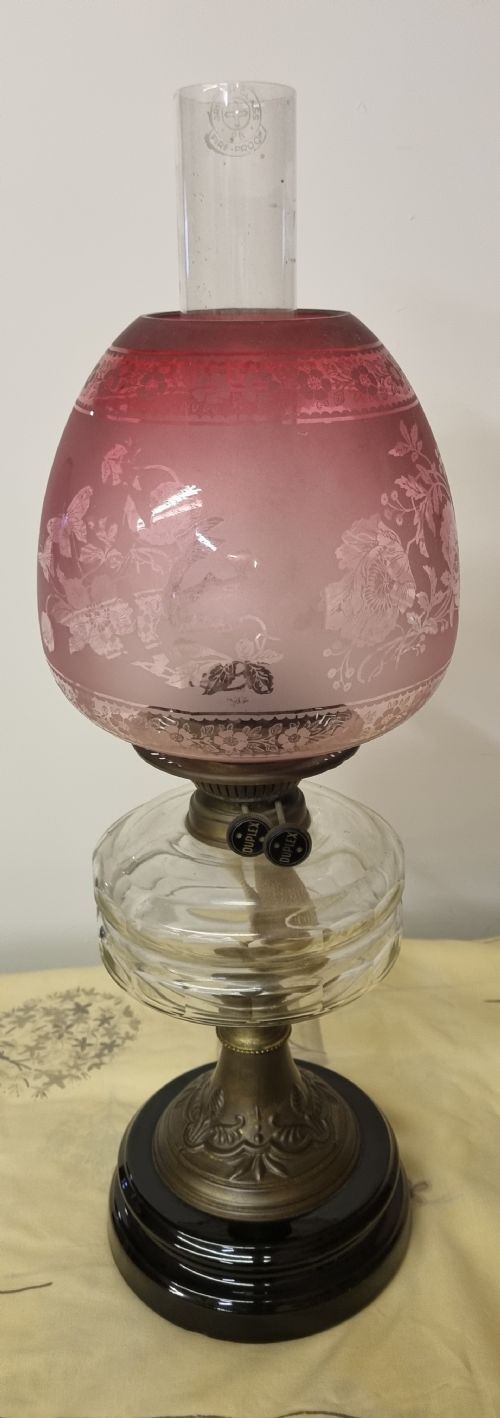
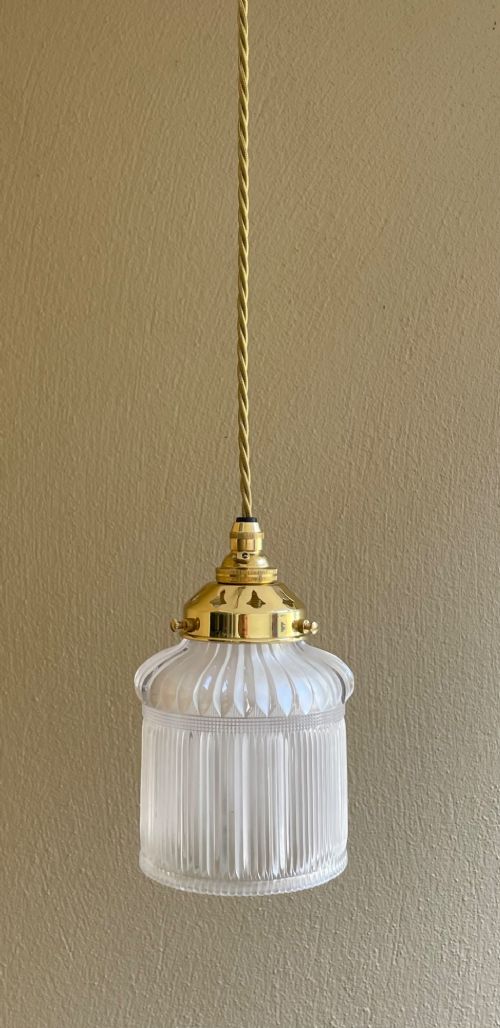
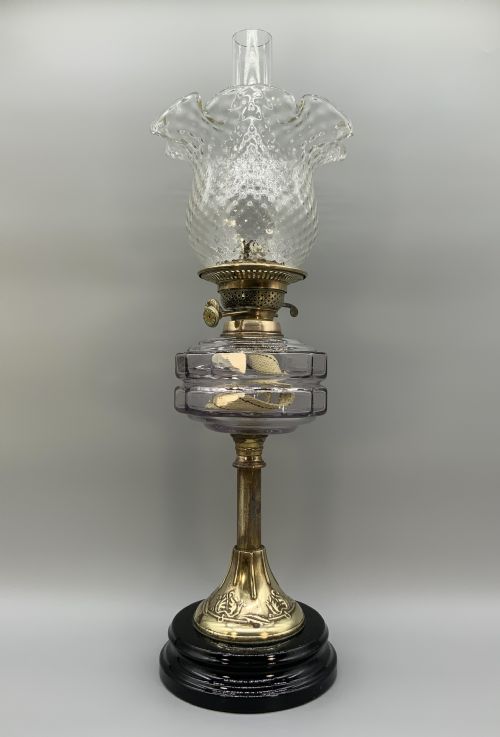
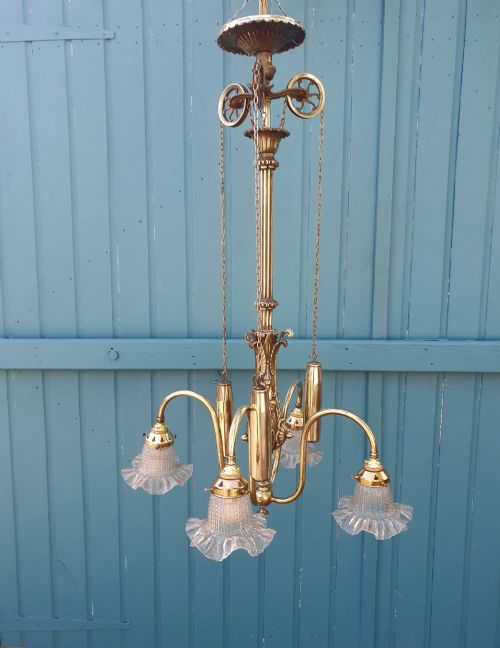
A clear glass lamp shade is an essential component designed to soften and direct light from various lighting fixtures. When searching for a clear glass lamp shade, buyers encounter numerous forms spanning the Victorian, Edwardian, and Art Deco eras. Pendant lights, oil lamps, and table lamps dominate the selections, alongside specialised prismatic and cut crystal designs.
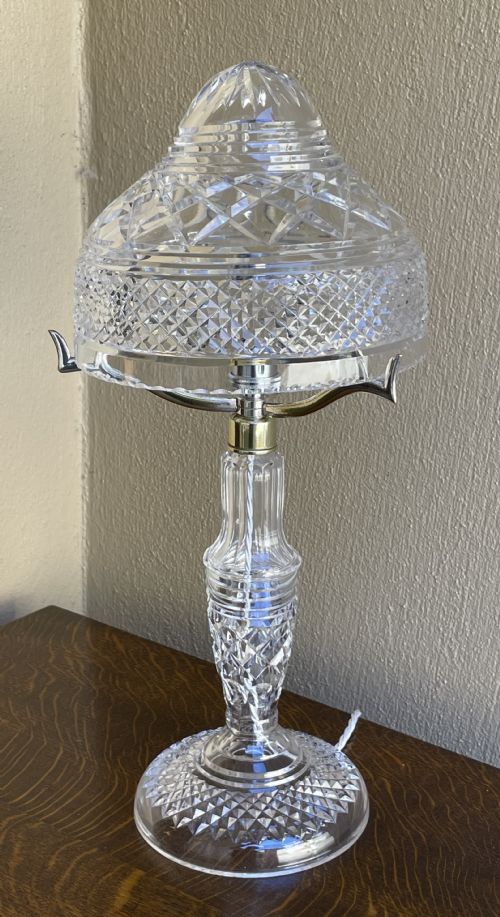
The most common versions met on this page include early twentieth-century Holophane shades, Victorian oil lamp reservoirs, and Art Deco mushroom lamps. These pieces originate from domestic and commercial settings, often combining functional glass with brass or ceramic mounts. Each style reflects the manufacturing priorities of its respective decade, ranging from industrial utility to decorative refinement.
The surviving inventory demonstrates how these shades adapted to changing interior demands over more than a century. Early examples typically served paraffin or oil burners before electrification prompted widespread conversions. Buyers selecting a shade today engage with a rich material history that bridges practical illumination and period design.
How they were made
Makers utilised high-grade glass, lead crystal, and prismatic glass to achieve specific optical properties. Mould-blowing, hand-blowing, and precision cutting created the faceted surfaces seen on Edwardian and Victorian pieces. Heavy press-moulding characterises industrial Holophane shades, which rely on precise internal ribbing to control light diffusion.
Metal components such as brass galleries, collars, and columns provide structural support for the glass elements. These mounts involve turned brass casting, etched decoration, and silver plating. The integration of glass and metal required skilled assembly to ensure stable mounting on oil lamps and pendant fixtures.
Listings feature periods from the 19th century through the 1940s, incorporating brass, crystal, fabric, and ceramic alongside clear glass.
What varies in quality
Quality rests upon the depth of the glass cutting and the optical clarity of the material itself. Fine lead crystal exhibits sharper facets and greater weight than standard pressed glass. The crispness of moulded ribbing on Holophane shades distinguishes superior production standards.
The relationship between the glass shade and its metal mount reveals the original maker's ambition. Solid brass galleries and heavy columns contrast with lighter plated alternatives. Finer pieces maintain balanced proportions between the glass body and the supporting metalwork.
Hinks of Birmingham·Stuart Crystal·Messengers·Harrods
The Clear Glass Lamp Shade Glossary
- Plafonnier
- A ceiling-mounted light fixture where the shade sits flush against or close to the ceiling. This French term frequently applies to low-profile glass bowls from the early twentieth century.
- Prismatic glass
- Glass moulded with precise optical prisms on the surface to refract and distribute light evenly. Holophane lighting relies heavily on this technique.
- Duplex burner
- A double-wick mechanism found on Victorian oil lamps that produced a brighter flame. These burners required robust glass chimneys and shades to manage the increased heat.
- Gallery
- The metal ring or collar on a lamp fixture that holds the shade in place with thumb screws. Galleries range from simple brass bands to ornate chrome or silver-plated mounts.
- Cracklelustre
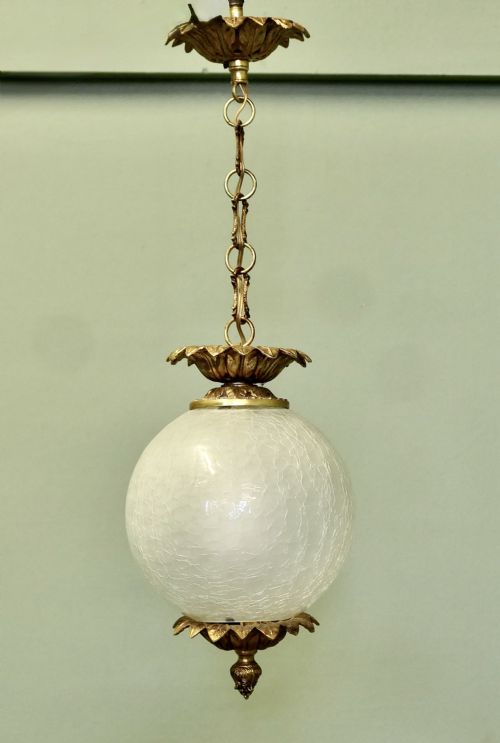
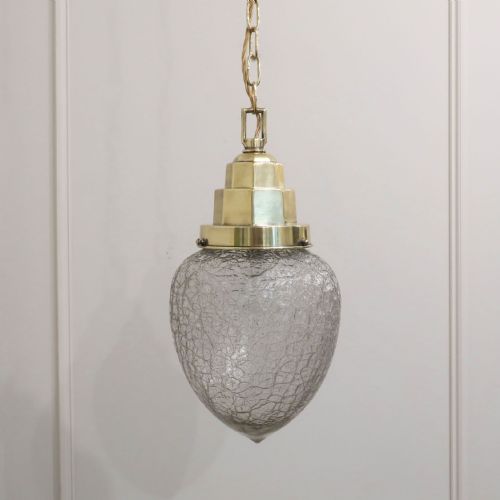
- A decorative glass effect featuring a network of fine internal fractures created during the blowing process. It diffuses light while adding texture to Art Deco shades.
Clear Glass Lamp Shade: Frequently Asked Questions
Will these shades fit modern fittings?
Many historical shades feature standard fitter sizes that accommodate contemporary pendant hardware and lamp holders. Checking the diameter of the shade opening against your existing gallery ensures a secure physical match.
Older oil lamp chimneys and specialised shades may require specific adaptor rings or specialist galleries for modern electrical conversion. Consulting the measurements in the listing helps confirm compatibility.
How do I identify a Holophane shade?
Holophane shades feature distinctive external or internal prismatic ribs designed to maximise light output and reduce glare. The glass often carries characteristic manufacturer stamps or patent markings along the fitter rim.
These industrial shades appeared frequently in commercial and domestic spaces from the Edwardian period onward. Their heavy, precise construction sets them apart from standard decorative glassware.
What is the difference between cut glass and crystal?
Lead crystal contains a higher mineral content that increases the weight, refractive index, and acoustic resonance of the glass. This composition allows for deeper, sharper facets when cut by the artisan.
Standard cut glass generally lacks the high lead content of crystal, resulting in slightly softer edges on the geometric patterns. Both materials appeared extensively across Victorian and Edwardian lighting.