




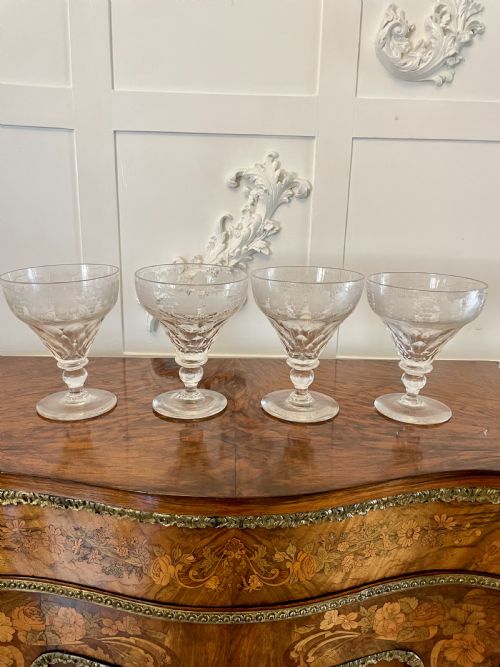


Clear Glass Dessert Glass
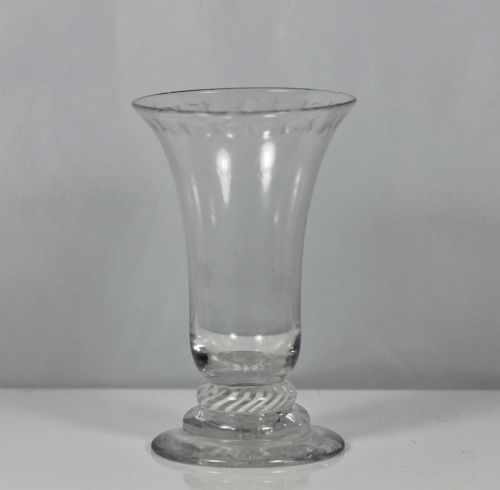
These clear glass dessert glass pieces are charming tablewares designed to serve sweets at the end of a meal, bringing historical elegance directly to your dining table.
Clear Glass Dessert Glass
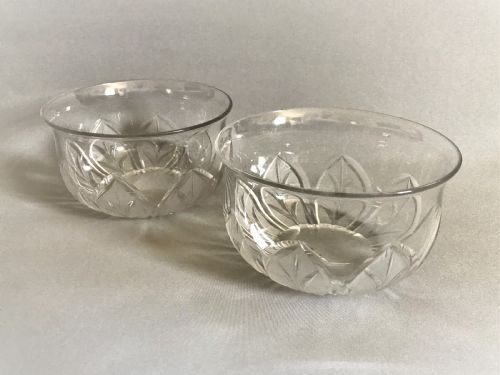
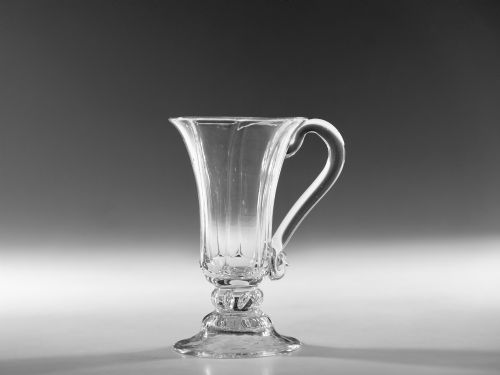
When you search for a clear glass dessert glass, you encounter a variety of forms including jelly glasses, custard cups, finger bowls, and sweetmeat plates. These items hail from periods such as the Georgian era and the Victorian age, reflecting centuries of dining traditions.
You are most likely to meet Victorian and Georgian examples on this page, ranging from single handled custard vessels to matching sets of etched finger bowls. The selection also includes French Art Deco drinking glasses and tiered display stands alongside traditional English tableware.
Methods and materials of manufacture
Master artisans produced these pieces using clear glass, lead glass, flint glass, and cut crystal, often shaping them through free blowing or panel moulding. The weight and brilliance of the material depend heavily on the lead content used by the glasshouse.
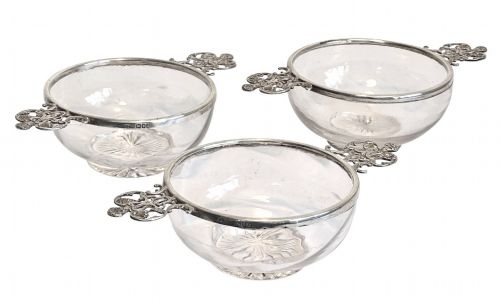
Makers employed techniques such as wheel cutting, engraving, frosting, and acid etching to decorate the surfaces. Some items also incorporate silver mounts or silver plate alongside the glass components.
Clear Glass Dessert Glass Retail Price Guide 2026
Typical asking prices for clear glass dessert glass among the pieces listed under this phrase on Sellingantiques today, from the lower quarter to the upper quarter. They describe what is for sale here now, not the wider market.
Distinctions in craftsmanship
The distinction between standard tableware and finer examples lies in the crispness of the cutting, the depth of the engraving, and the clarity of the metal. Superior pieces display precise facets and clean moulding lines without distracting surface bubbles.
Completeness of a set and matching uniformity also dictate standing. A matched grouping with consistent thickness and coloration holds greater appeal than assembled sets with minor variations.
William Comyns
The Clear Glass Dessert Glass Glossary
- Jelly glass
- A small vessel designed specifically for serving jellies and syllabubs at formal tables. They often feature panel moulding or thick feet.
- Finger bowl
- A small bowl filled with water placed before a guest at the end of a meal for rinsing fingers. Victorian examples frequently exhibit cut or etched decoration.
- Sweetmeat glass
- A tall or stemmed glass used for serving preserved fruits, nuts, or confectionery. These date predominantly from the Georgian period.
- Flint glass
- A heavy, brilliant type of glass containing lead oxide that refracts light effectively. It provides the clear ringing tone associated with quality crystal.
- Free blown
- A method where the glassblower shapes the molten metal using breath and hand tools without a full mould. This technique results in subtle individual variations across a set.
Clear Glass Dessert Glass: Frequently Asked Questions
What is a clear glass dessert glass used for?
These vessels held sweet courses like custards, jellies, and preserved fruits at the conclusion of grand meals. They allowed the colours and textures of the desserts to remain visible to guests.
Over time, table customs evolved, leading to diverse forms from deep finger bowls to flat ice plates. Today, collectors utilise them both for display and for serving modern desserts.
How do I date an old dessert glass?
Dating relies on examining the manufacturing traits, form, and decorative styles typical of specific eras. Georgian pieces often show heavy pontil marks on the base and simpler, heavier proportions, while Victorian items frequently feature intricate wheel cutting or etched Greek key patterns.
Matching the object type to known historical periods helps narrow the timeframe of manufacture. Subtle clues in the handle attachment or rim finish provide further context.
Are these glass pieces safe for daily use?
While durable, antique glass requires careful handling and gentle hand washing to preserve its surface lustre. Sudden temperature changes can crack historic metal, so hot liquids should be avoided.
Displaying them in cabinets or using them gently for special occasions protects the fragile engraving and delicate rims from accidental damage.
What distinguishes Georgian glass from Victorian glass?
Georgian glassware usually exhibits simpler, heavier forms with deep kick-up bases and pontil scars from free blowing. The glass metal often has a warm, tactile quality characteristic of eighteenth-century recipes.
Victorian pieces introduce more mechanised moulding techniques, alongside extensive chemical etching and bright cut patterns. The range of specialised dessert forms also expanded significantly during the nineteenth century.