




Clear Crystal Wine Goblets
Clear crystal wine goblets span Georgian and Victorian periods, bringing heavy lead glass and intricate twists to the table.
Clear Crystal Wine Goblets
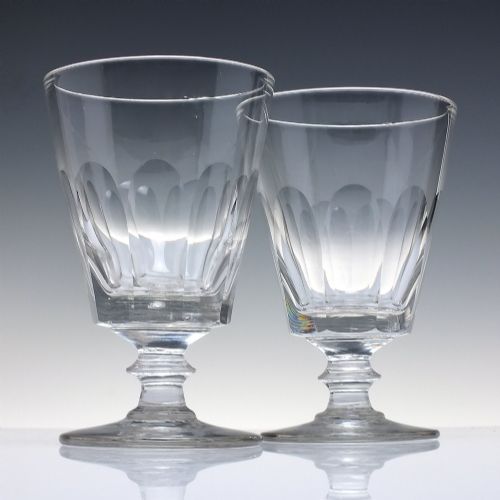
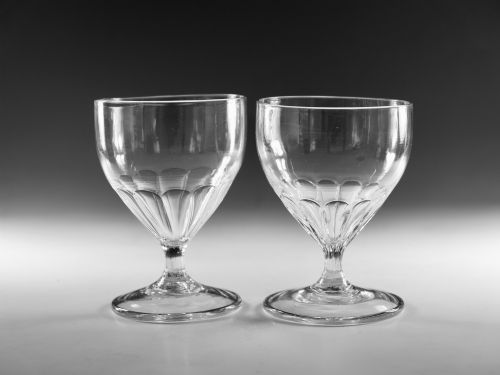
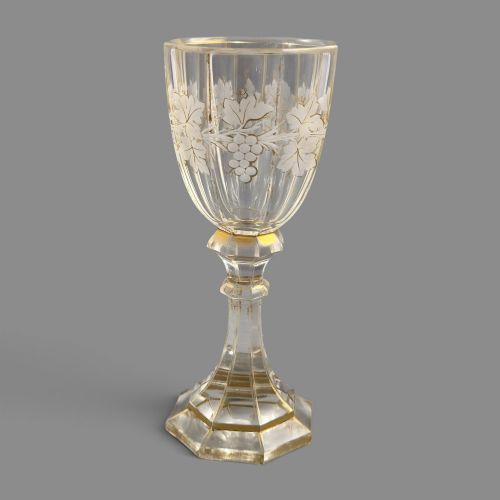
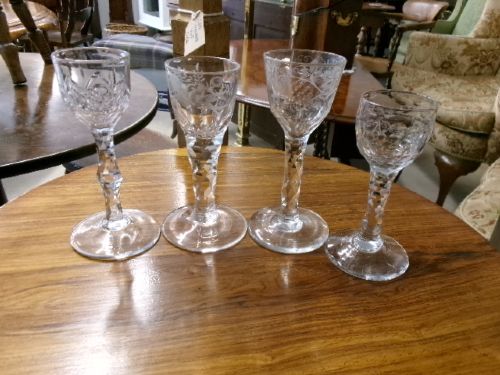
These clear crystal wine goblets encompass drinking vessels from the eighteenth and nineteenth centuries, including Georgian rummers and Victorian glassware. Collectors find pieces ranging from early plain stems to elaborate cut glass and engraved bowls.
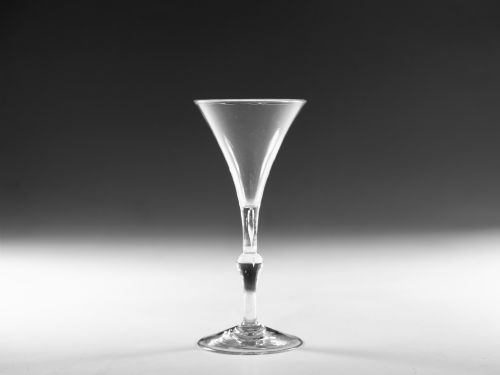
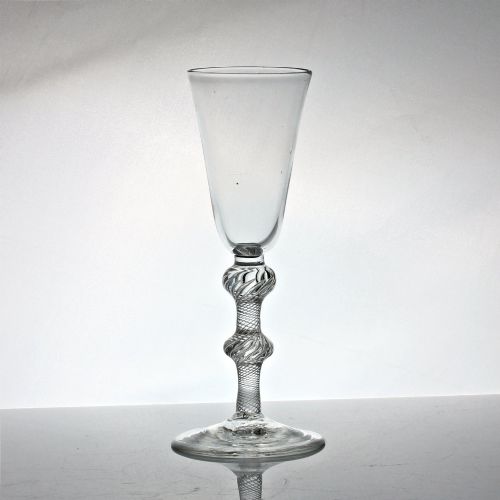
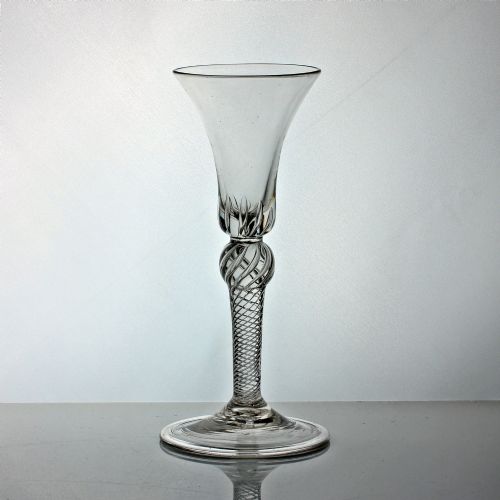
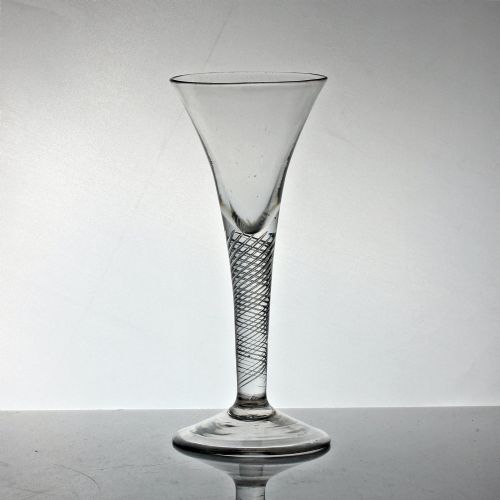
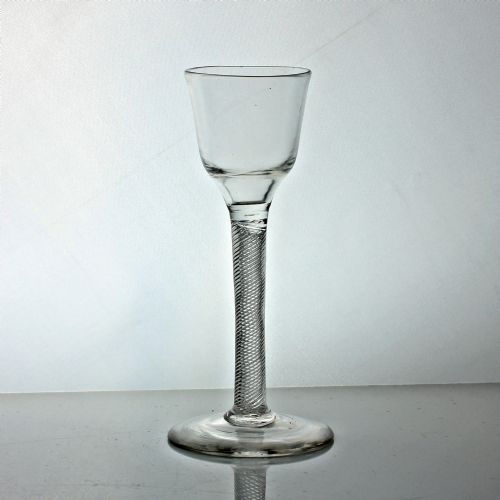
The selection leans heavily toward eighteenth-century English forms, particularly air twists and opaque twists. Rummers, port glasses, and ale glasses also appear alongside larger decorative goblets.
Origin points span English glasshouses and continental makers such as Moser and Theresienthal. Forms vary from simple ogee bowls to heavy faceted bases and folded feet.
Materials and production methods
Makers utilised lead crystal, flint glass, and heavy lead glass to achieve high refractive clarity and substantial weight. Enamel decoration and gilding occasionally embellish continental and later Victorian pieces.
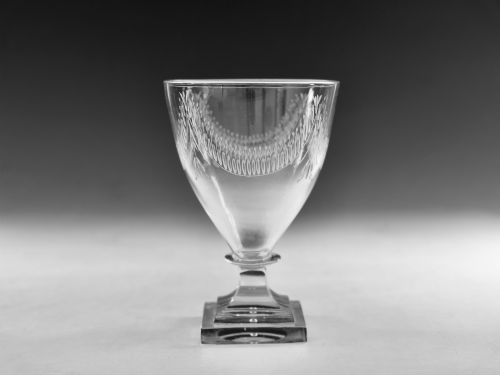
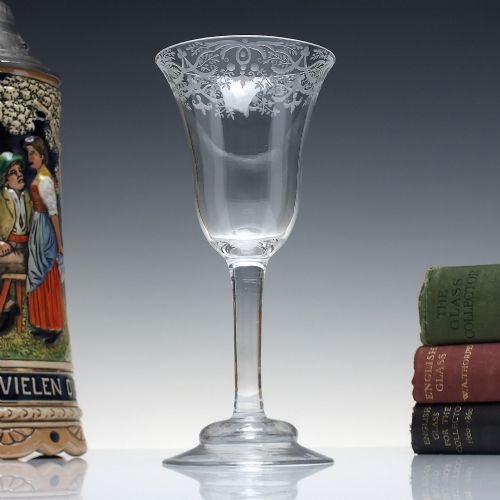
Techniques include air twist and opaque twist stem creation, facet cutting, petal moulding, and delicate wheel engraving. Folded feet and domed bases provide stability to these blown and worked objects.
Some eighteenth-century Jacobite glasses concealed secret political loyalties within subtle engraved symbols that required the reflection of light to decode.
Assessing quality in antique glassware
Quality rests upon the purity of the metal and the precision of the optical effects within the stem. Clear, heavy lead crystal with sharp cutting and well-defined twists marks the higher tier of production.
The crispness of wheel engraving and the balance of the bowl relative to the foot dictate desirability. Pieces retaining original surface wear and unground rims maintain their integrity.
Moser Bohemian·Theresienthal
The Clear Crystal Wine Goblets Glossary
- Air twist
- A stem containing spiral threads of trapped air created by drawing and twisting heated glass rods. This optical technique appears frequently on eighteenth-century drinking vessels.
- Opaque twist
- A stem incorporating white enamel threads drawn into spirals within the clear glass. These threads create solid white strands running through the centre of the stem.
- Rummer
- A heavy drinking glass with a large bowl used for rum, wine, or ale during the Georgian and Victorian eras. They typically sit on a short stem and thick foot base.
- Ogee bowl
- An S-shaped profile curving outward at the rim and inward at the base. This contour helps concentrate aromas in wine and ale glasses.
- Folded foot
- A base edge doubled back underneath itself to create a thickened rim for extra strength. This detail prevents chipping on heavy tavern and domestic glasses.
Clear Crystal Wine Goblets: Frequently Asked Questions
How do I clean antique crystal goblets?
Wash them by hand in warm water using mild soap, avoiding sudden temperature changes to protect the old glass.
Dry them immediately with a soft linen cloth to prevent water spots and preserve the natural clarity.
Can I use these goblets for daily dining?
Gentle daily use remains possible with sturdier Victorian rummers and heavier lead pieces if handled with proper care.
Delicate eighteenth-century air twists require cautious handling due to their age and fragile stem construction.
What is the difference between an air twist and an opaque twist?
Air twists contain internal threads of trapped air spun through the clear glass stem during manufacture.
Opaque twists substitute white enamel rods to form solid white spiral patterns inside the stem structure.
How do I date an antique wine glass?
Examine the stem style, pontil mark on the base, bowl shape, and the type of glass metal used.
Eighteenth-century examples often feature lead metal and knopped stems, while Victorian items show heavier cutting and moulding.