








Clear Crystal Chalice
These clear crystal chalice examples bring heavy lead glass and cut details to the table, offering drinking vessels and rummers made for historic toasts.
Clear Crystal Chalice
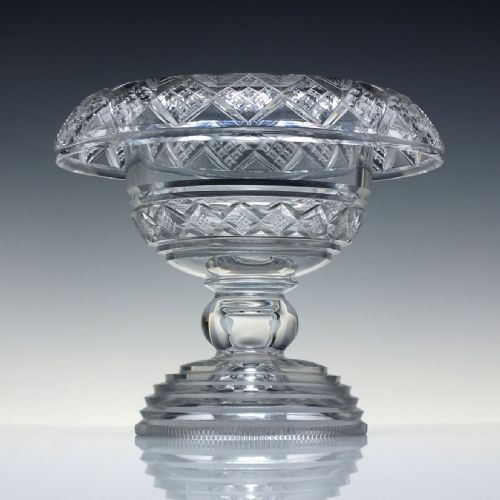
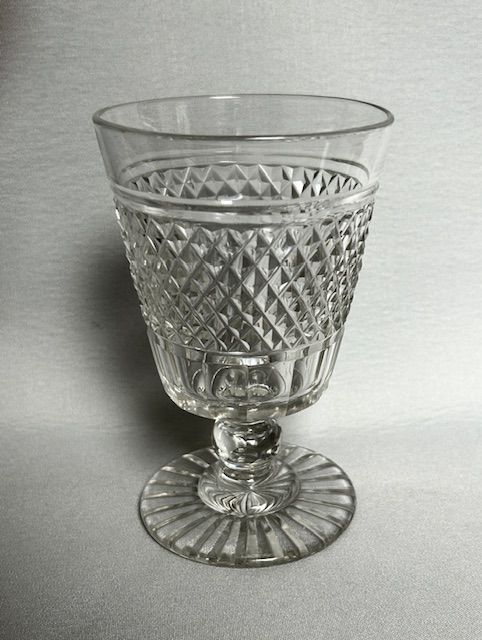
When you search for a clear crystal chalice, you enter a field of drinking vessels, rummers, and goblets spanning the Georgian, Regency, and Victorian periods. Most pieces found here take the form of heavy glass wine glasses or large serving rummers with bell or ovoid bowls.
The selection ranges from mid-eighteenth-century balustroid stems to nineteenth-century cut table rummers and commemorative goblets. English and Bohemian origins dominate, alongside Irish cut glass standing bowls and specific vessels engraved with hops, barley, or ships.
How they were made
These items rely on lead crystal, flint glass, and clear glass shaped into stems, bowls, and standing forms. Makers utilised glass blowing and heavy gathering techniques to achieve thick walls capable of supporting deep cutting.
Clear Crystal Chalice Retail Price Guide 2026
Typical asking prices for clear crystal chalice among the pieces listed under this phrase on Sellingantiques today, from the lower quarter to the upper quarter. They describe what is for sale here now, not the wider market.
One nineteenth-century rummer carries the engraved initials WIS alongside a sailing ship, ready for a maritime toast.
What varies in quality
Quality in a clear crystal chalice rests on the clarity of the metal and the crispness of the wheel engraving or cutting. Pieces with deep, sharp hobnail patterns or finely detailed floral and commemorative motifs sit at the higher end of the range.
The weight and balance of the lead glass, alongside the integrity of the domed foot or baluster stem, distinguish finer workshop output from simpler utilitarian glassware.
Moser Bohemian
The Clear Crystal Chalice Glossary
- Rummer
- A large drinking glass popular in the eighteenth and nineteenth centuries, typically featuring a capacious bowl for beer, wine, or punch.
- Baluster
- A swelling, architectural stem form found on mid-eighteenth-century drinking vessels, often showing a knop above the foot.
- Hobnail cut
- A raised, faceted surface pattern resembling the head of a traditional hobnail, providing texture and grip on heavy glass.
- Flint glass
- An early British term for heavy, high-refractive-index lead glass developed to increase brilliance and weight in tableware.
Clear Crystal Chalice: Frequently Asked Questions
What is a rummer?
A rummer is a large, wide-bowled drinking vessel designed for heavy toasts, ale, or wine during the Georgian and Victorian eras.
These pieces typically feature thick stems and sturdy feet to handle robust everyday or ceremonial use.
How do I date a glass?
Dating relies on stylistic clues such as stem formation, bowl shape, and cutting techniques characteristic of the Georgian, Regency, or Victorian periods.
Plain stems and baluster forms point toward the mid-eighteenth century, while heavy hobnail cutting and large table rummers generally belong to the nineteenth century.
Were these used for wine?
Many examples served as wine glasses, goblets, or commemorative vessels for specific historical events like coronations.
Larger variations functioned as serving rummers or centrepiece bowls on the dining table.
How should I clean them?
Clear crystal and lead glass demand gentle hand washing in lukewarm water with mild soap to protect the surface finish.
Avoid sudden temperature changes and abrasive scrubbers to preserve any delicate engraving or gilding.