



Classical Wooden Torcheres
Classical wooden torcheres are decorative stands and light standards that bring height and presence to a room.
Classical Wooden Torcheres
Classical wooden torcheres serve as elevated display surfaces and floor-standing lamp supports derived from historical lighting designs. When searching for classical wooden torcheres, buyers encounter tall pedestals, torchere stands, and standard lamps spanning the eighteenth, nineteenth, and early twentieth centuries.
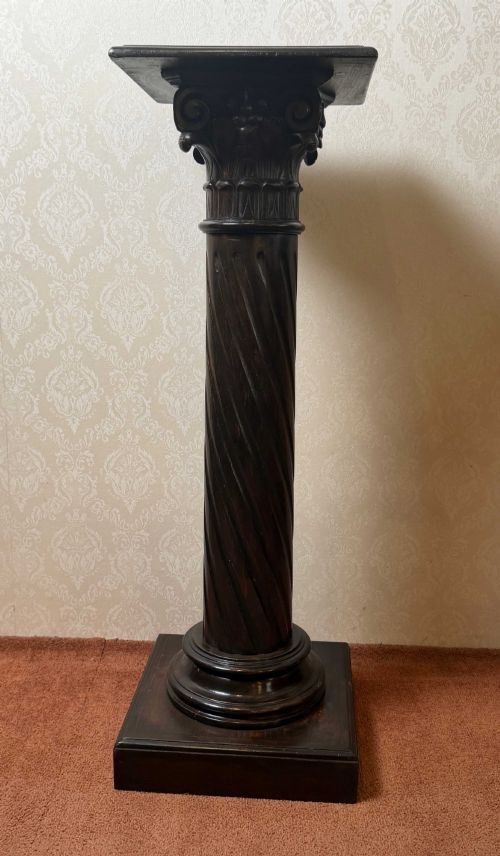
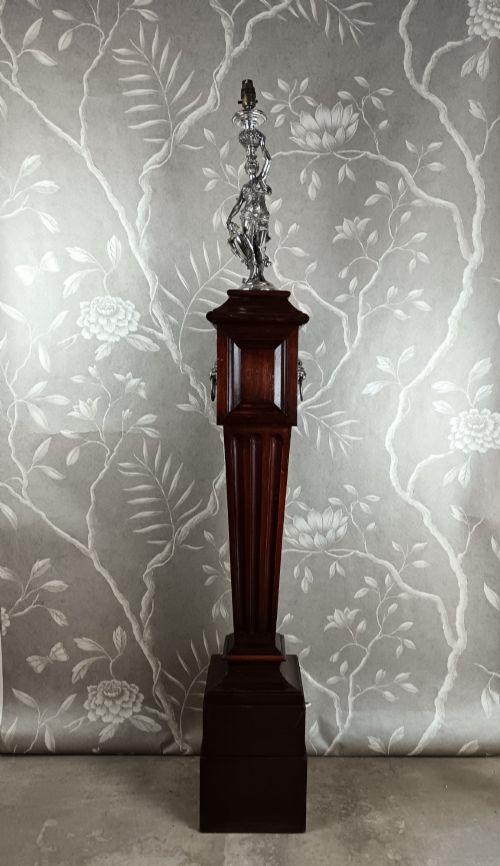
The selection ranges from Victorian mahogany torchere pillars and Dutch walnut pedestals to painted and gilded Italian forms. These vertical pieces function effectively in corners or beside seating to hold ornaments, figures, or light fittings.
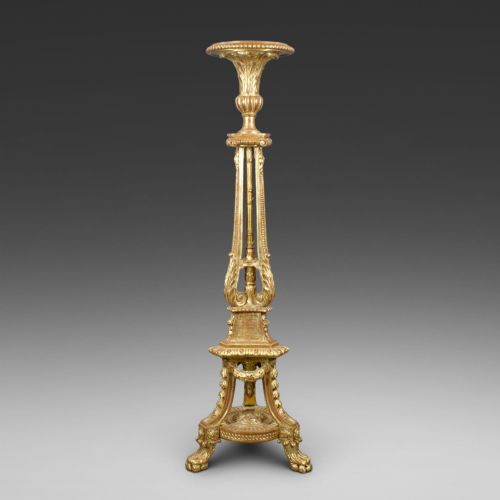
Examples on this page draw upon Neoclassical, Italian Baroque, and Victorian design traditions. Woods such as mahogany, walnut, oak, and pine appear alongside decorative finishes including gesso, gold leaf, and simulated marble.
Materials and construction methods
Craftsmen shaped these stands from hardwoods like mahogany, walnut, and oak, often turning them on lathes to create slender columns or spiral pillars. Carved wood details provide relief work, while secondary woods form internal structures.
Surface decoration involves applications of gesso, paint, and gold leaf to highlight carved motifs and mouldings. Brass and silver-plated elements integrate with the timber to form lamp fittings and structural mounts.
Classical Wooden Torcheres Retail Price Guide 2026
Typical asking prices for classical wooden torcheres among the pieces listed under this phrase on Sellingantiques today, from the lower quarter to the upper quarter. They describe what is for sale here now, not the wider market.
The inventory spans the eighteenth century through to the nineteen-thirties, covering Victorian, Neoclassical, and Italian Baroque styles.
Distinctions in quality
Quality rests upon the crispness of the wood carving and the depth of the gilding or paint finishes applied to the timber. Finer examples display balanced proportions, substantial turning, and harmonious integration of brass or figural elements.
The choice of materials, such as figured walnut and kingwood veneers or dense solid mahogany, separates standard production from more ambitious workshop pieces.
WMF
The Classical Wooden Torcheres Glossary
- Torchere
- A tall decorative stand or floor lamp originating as a support for a candle or torch. These vertical pieces now serve to elevate lamps, urns, and decorative objects.
- Pedestal
- A free-standing base or column designed to support a bust, vase, or sculptural piece. They provide architectural height within interior spaces.
- Gesso
- A plaster-like mixture applied to wood surfaces to prepare them for painting or gilding. It allows craftsmen to model sharp relief details before applying gold leaf.
- Neoclassical
- A style drawing inspiration from the classical art and architecture of ancient Greece and Rome. It emphasises symmetry, restrained ornament, and classical columns.
Classical Wooden Torcheres: Frequently Asked Questions
What is a torchere stand used for?
These tall stands function as elevated platforms for display items, vases, and sculptural figures. They also serve as housings for floor lamps and standard lighting.
Placed in corners or flanking doorways, they add vertical emphasis and decorative focus to an interior.
How do I date a wooden torchere?
Dating relies upon timber selection, turning styles, and surface finishes like gilding or paint. Neoclassical and Victorian proportions offer clear stylistic markers.
Hardware, screw types, and construction methods further help distinguish eighteenth-century work from later nineteenth- and twentieth-century interpretations.
Where should I place a torchere?
Torcheres suit empty corners, transitional hallways, and spaces beside heavy seating arrangements where height is required. Their slender footprint allows them to occupy minimal floor space.
Ensure the surrounding furniture scale matches the height and decorative presence of the stand.
Are these stands suitable for modern lighting?
Many examples incorporate or adapt easily to electrical fittings for use as standard lamps. Electrical components can be integrated alongside traditional wooden and brass stems.
Buyers should inspect the wiring and stability of any conversion to ensure safe operation with modern shades.