




Classical Wooden Table
A classical wooden table brings proportion and enduring craftsmanship into a room, spanning periods from the eighteenth century through to the twentieth.
Classical Wooden Table
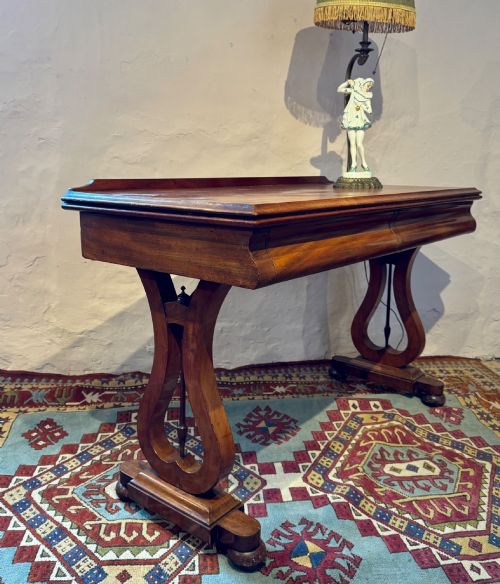
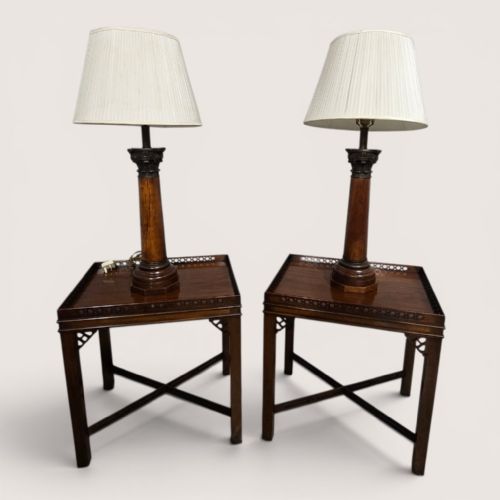
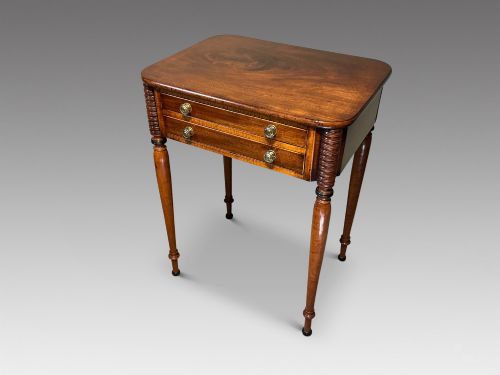
A classical wooden table encompasses forms ranging from console tables and serving tables to occasional and centre tables, shaped by the design languages of the Georgian, Regency and Victorian eras. These pieces often incorporate architectural details such as pedestal bases, tapered legs and occasional marble inserts.
The selections available span multiple centuries, with nineteenth-century mahogany examples sitting alongside eighteenth-century Italian console pieces and early twentieth-century painted and parcel-gilt centre tables. Buyers will also encounter specialised variants like drop-flap occasional tables and extending dining furniture.
Originating from English, French and Italian workshops, these items reflect the enduring influence of classical revivalism across diverse domestic settings. The primary woods utilised include mahogany, oak and satinwood, frequently paired with brass hardware or giltwood ornamentation.
How they were made
Cabinetmakers relied heavily on dense hardwoods like mahogany and oak, often selecting figured veneers such as pollard or burr oak for decorative surfaces. These timbers were joined using traditional framing techniques suited to the load-bearing requirements of dining, serving and console tables.
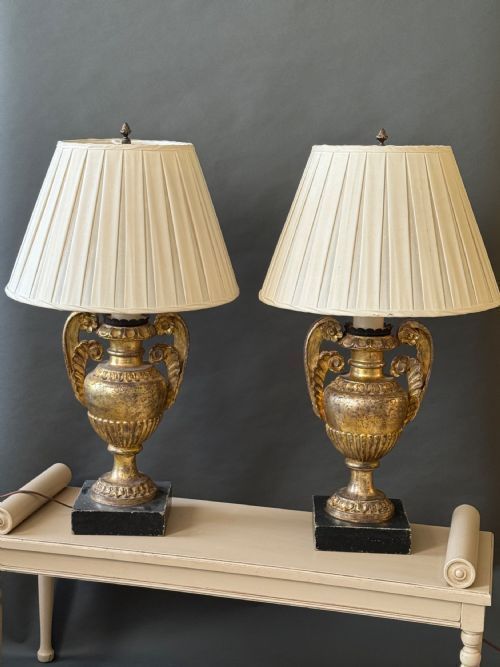
Surface enrichment involved hand carving, inlay work and parcel-gilding, sometimes complemented by applied brass galleries, bronze ornaments or inset marble tops. French and Italian pieces frequently demonstrate painted finishes combined with elaborate giltwood details reflecting neoclassical tastes.
Classical Wooden Table Retail Price Guide 2026
Typical asking prices for classical wooden table among the pieces listed under this phrase on Sellingantiques today, from the lower quarter to the upper quarter. They describe what is for sale here now, not the wider market.
Several tables come equipped with hidden leaves and drop flaps, proving that nineteenth-century hosts loved a flexible seating arrangement.
What varies in quality
Quality rests upon the selection of timber, distinguishing simple structural construction from tables utilising finely figured mahogany, burr oak or intricate satinwood banding and inlay. The integrity of the hand carving on pedestals, aprons and legs further separates standard production from exhibition-grade pieces.
The refinement of secondary elements, such as fitted brass galleries, integrated marble slabs and precise joinery, dictates the standing of an individual table. Workshop provenance also plays a role, with documented pieces reflecting higher standards of design execution and material pairing.
P and MA Nicholson·Pietro Ferrario·Walker and Hall·Barraud and Lunds
The Classical Wooden Table Glossary
- Console table
- A table designed to stand against a wall, frequently secured with brackets or supported by front legs and popular in neoclassical interiors.
- Satinwood
- A durable, light yellow timber prized for its lustrous grain, often utilised for veneers and decorative stringing on late eighteenth and nineteenth-century furniture.
- Giltwood
- Wood that has been coated with gold leaf or gold paint, commonly applied to carved decorative details on frames, mirrors and classical tables.
- Parcel-gilt
- A decorative finish where only specific portions of an object are gilded, highlighting carved details against a painted or polished wood background.
- Pedestal cabinet
- A freestanding piece or table base featuring a central column or pillar support, frequently seen in Regency and Victorian designs.
Classical Wooden Table: Frequently Asked Questions
How do I identify a Regency table?
Regency tables typically display clean architectural lines influenced by classical antiquity, often utilising dark mahogany or exotic veneers alongside brass mounts and pedestal supports.
Look for balanced proportions, reeded legs and restrained classical ornamentation rather than heavy Victorian carving.
Where were console tables placed?
Console tables were traditionally positioned against drawing room or hallway walls, frequently beneath mirrors or between windows to serve decorative and display functions.
Their flat rear edges allowed them to sit flush against masonry, sometimes supported by wall brackets or distinct front legs.
How do I care for a marble top?
Marble top tables require regular dusting with a soft cloth and immediate blotting of any liquid spills to prevent staining on the porous stone surface.
Avoid acidic cleaning agents and utilise coasters or mats beneath objects placed on the marble.