

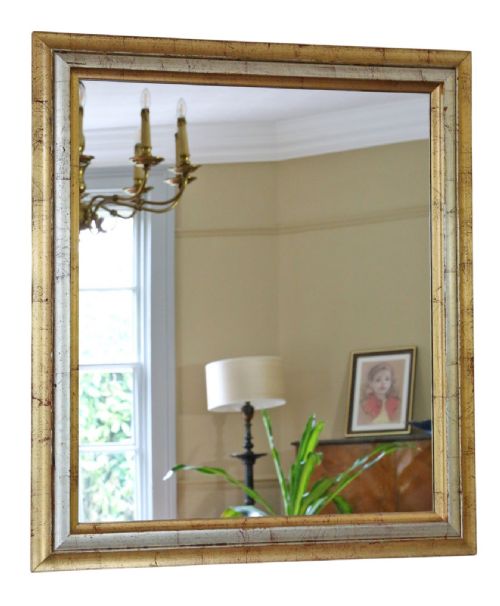


Classical Wooden Mirror
A classical wooden mirror brings architectural clarity and warmth to a room through carved mouldings, rich timber grains and traditional glass.
Classical Wooden Mirror
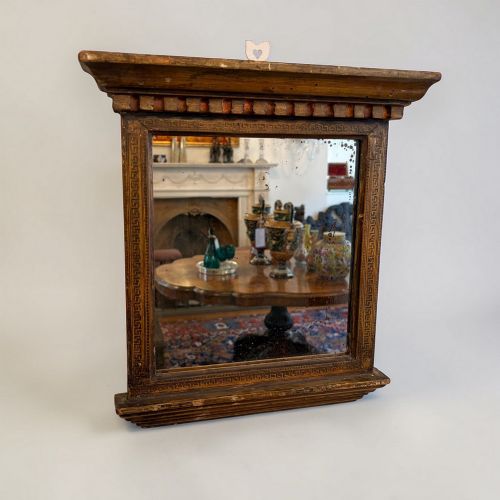
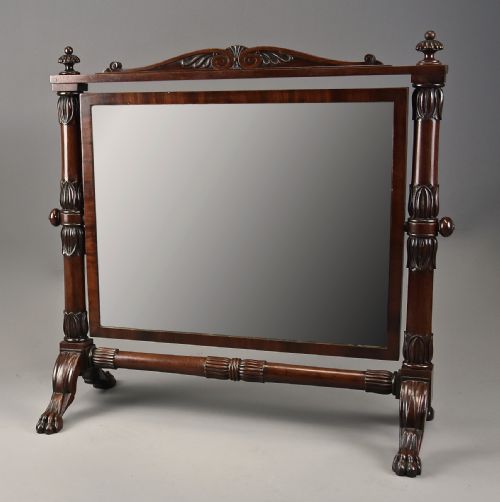
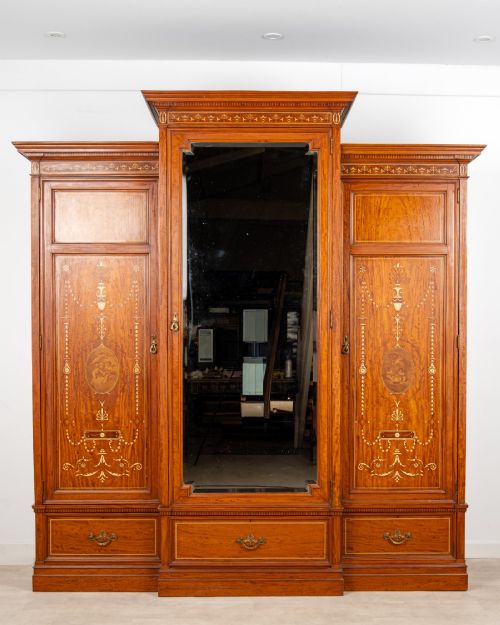
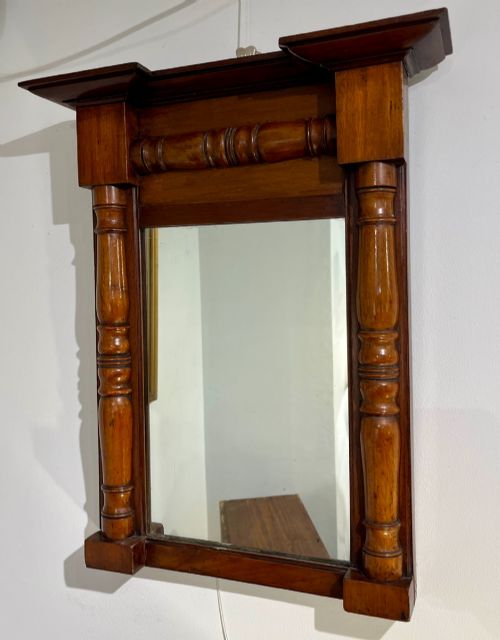
A classical wooden mirror draws upon Regency, Victorian, Neoclassical and Biedermeier styles, translating historical architecture into functional wall and tabletop pieces. When you search for a classical wooden mirror, you encounter forms ranging from compact pier mirrors to grand overmantel mirrors and dressing table mirrors.
The pieces appearing on this page span the nineteenth century into the mid twentieth century, originating from English, French, Swedish and broader European workshops. Overmantel mirrors and pier mirrors predominate, often designed to hang above mantelpieces or between windows to reflect natural light.
Makers utilised dense native and exotic timbers alongside gilded gesso and painted finishes to achieve architectural depth. Each piece balances functional reflection with decorative presence, rooted in classical proportions and traditional joinery.
Materials and construction methods
Frames are constructed from timbers such as mahogany, rosewood, satinwood, birchwood and walnut, frequently selected for striking grain patterns like birds-eye maple or Cuban mahogany. These woods are shaped into columns, pilasters and scroll frames using traditional cabinetmaking techniques.
Giltwood and gesso elements provide reflective brilliance, often applied over carved wood grounds with intricate details like Vitruvian scrolls and classical columns. Brass detailing and gilt metal mounts appear across select pieces to accentuate the architectural lines.
Classical Wooden Mirror Retail Price Guide 2026
Typical asking prices for classical wooden mirror among the pieces listed under this phrase on Sellingantiques today, from the lower quarter to the upper quarter. They describe what is for sale here now, not the wider market.
Listings feature periods spanning from the Georgian era through the Regency, Victorian and Edwardian periods, extending into mid-twentieth-century designs.
Indicators of quality and craftsmanship
The caliber of a piece rests upon the depth of the wood carving, the crispness of the gilt gesso mouldings and the choice of timber veneers. Superior examples display finely figured grain and hand-carved architectural details that remain sharp and well-defined.
Construction integrity separates standard items from finer works, evidenced by robust joinery in the frame and the retention of original mirror glass and backboards. The harmony of proportions and the sophistication of decorative elements such as brass accents or painted motifs determine the standing of the piece.
P & MA Nicholson
The Classical Wooden Mirror Glossary
- Pier mirror
- A tall, vertical glass designed to hang on the wall space between two windows. It frequently sits above a pier table and reflects additional light into a room.
- Overmantel mirror
- A wide horizontal mirror built to sit directly above a fireplace mantelpiece. These pieces often feature architectural framing such as columns or gilt scrolls.
- Gesso
- A plaster-like mixture applied to wood frames to create a smooth surface for gilding or painting. It allows craftsmen to carve intricate relief decorations.
- Vitruvian scroll
- A classical running scroll ornament consisting of wave-like scrolls or corrugated bands. This motif appears frequently on neoclassical and regency frames.
- Biedermeier
- A central European style from the nineteenth century prioritising clean lines and utilitarian comfort over excessive ornamentation. It highlights the natural beauty of blonde wood veneers.
Classical Wooden Mirror: Frequently Asked Questions
Where should I hang an overmantel mirror?
An overmantel mirror traditionally mounts directly above a fireplace mantelpiece, anchoring the hearth visually within the room.
Its generous width helps balance the weight of the fireplace surround while reflecting light across the floor space.
What is a pier mirror used for?
A pier mirror occupies the narrow wall space between two windows, a placement designed to maximise natural daylight in older homes.
Historically, pairing these mirrors with console or pier tables created a cohesive focal point in formal reception rooms.
How do I identify a Regency mirror?
Regency mirrors often incorporate classical architectural motifs such as ebonised reeded columns, ball-stud details and gilt cornices. The influence draws heavily from ancient Greek and Roman design.
Timbers like Cuban mahogany and rosewood frequently form the primary structure of these pieces.
Are dressing table mirrors adjustable?
Dressing table mirrors, particularly cheval styles, typically feature pivoting frames supported by upright side pillars. This allows the user to tilt the glass angle as needed.
They sit securely on matching dressing chests or standalone surfaces.