



Classical Wooden Furniture
Classical wooden furniture brings architectural order and rich mahogany tones into a room.
Classical Wooden Furniture
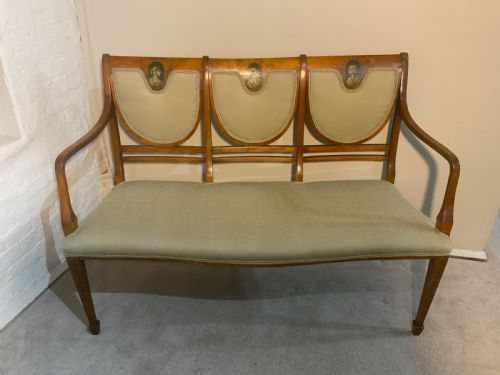
Classical wooden furniture comprises architectural forms and seating built during the Regency, Victorian, and Edwardian periods, often drawing on French classical or Sheraton Revival design. Buyers search for these pieces to anchor a room with balanced proportions and traditional cabinetmaking.
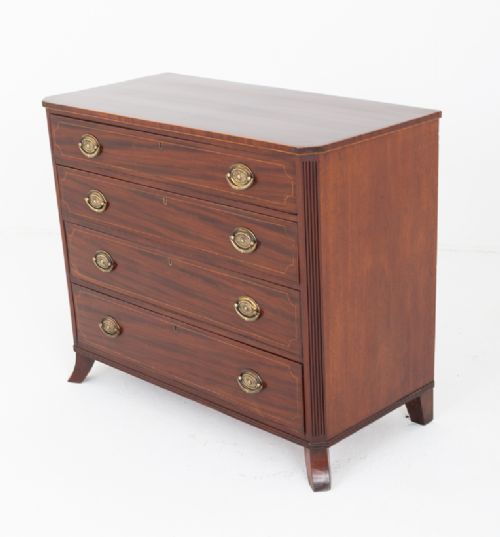
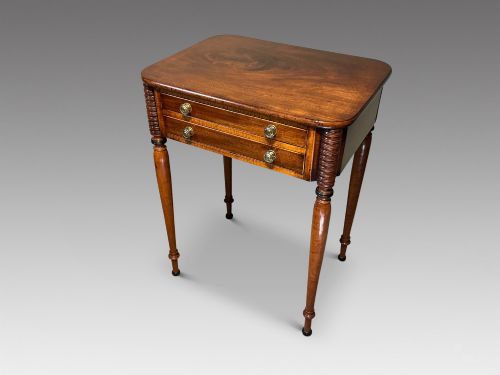
The selection on this page leans heavily towards Regency and nineteenth-century pieces executed in rich timbers. Expect to find chests of drawers, pedestal sideboards, occasional tables, and seating influenced by classical antiquity.
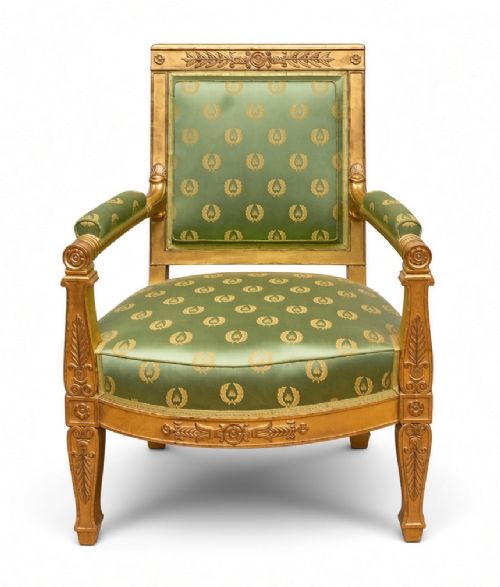
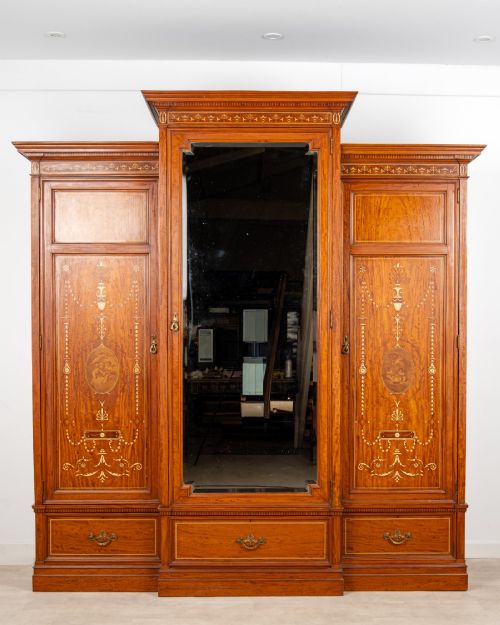
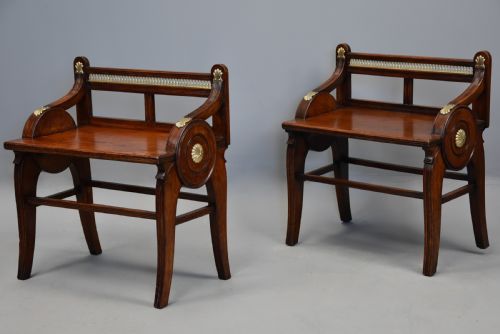
Originating from British, French, and American workshops, these items range from simple oak hall benches to giltwood armchairs and inlaid satinwood cabinets. They serve both practical storage needs and grand decorative functions in modern interiors.
Materials and construction
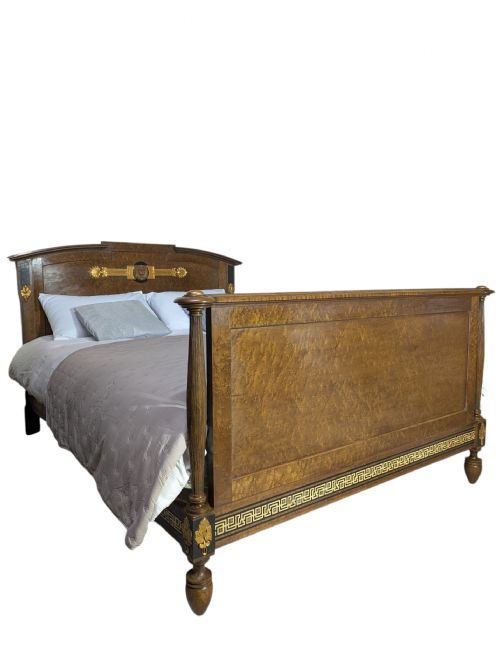
Cabinetmakers relied primarily on solid mahogany, oak, and satinwood, often accenting surfaces with burr oak veneers, brass mounts, and painted details. Timber selection defined the structural integrity and visual weight of each chest, table, and seating frame.
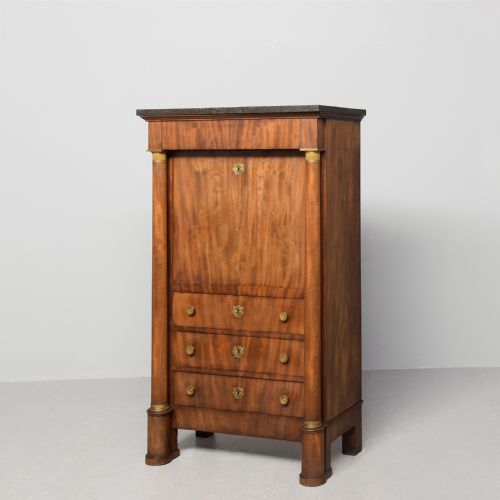
Sophisticated surface treatments include parcel-gilt highlights, inlaid contrasting woods, and marble tops set onto wooden pedestals or console frames. Joinery techniques from the nineteenth century ensured durability across functional forms like secretaire abattants and drop well pedestal sideboards.
Classical Wooden Furniture Retail Price Guide 2026
Typical asking prices for classical wooden furniture among the pieces listed under this phrase on Sellingantiques today, from the lower quarter to the upper quarter. They describe what is for sale here now, not the wider market.
Listings feature woods like mahogany, oak, satinwood, and giltwood across nineteenth-century forms.
Distinctions in quality
The distinction between standard pieces and exceptional ones rests upon the refinement of the timber figure, such as pollard or burr oak, and the precision of inlaid satinwood. Master workshops invested greater labour into matching wood grain and carving structural details.
Provenance and documented maker attribution elevate certain items, particularly those originating from notable establishments like James Shoolbred or Parisian workshops. The crispness of carved giltwood ornament and the integrity of original brass mounts further separate standard production from important works.
James Shoolbred & Co·Jacob-Desmalter
The Classical Wooden Furniture Glossary
- Regency
- A British design period spanning the early nineteenth century defined by classical restraint and archaeological influence. Pieces from this era often feature clean mahogany surfaces and brass detailing.
- Fauteuil
- An open-framed upholstered armchair with exposed wooden arms originating in France. These chairs typically showcase carved or giltwood finishes.
- Semainier
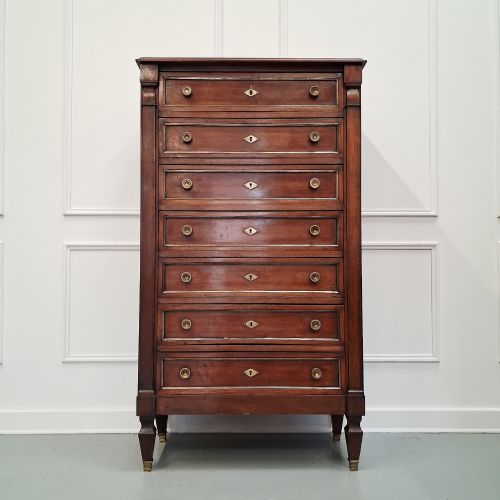
- A tall narrow chest of drawers traditionally designed with seven drawers, one for each day of the week. French makers frequently executed these in mahogany.
- Cellarette
- A fitted cabinet or box used for storing bottles of wine safely. Regency examples often incorporate robust mahogany and lead linings.
- Pediment
- A decorative architectural crowning element placed atop large wardrobes or bookcases. They introduce classical triangular or arched silhouettes to wooden cabinetry.
Classical Wooden Furniture: Frequently Asked Questions
Where were satinwood cabinets placed?
Satinwood cabinets and sideboards were designed for principal reception rooms where their pale, reflective timber could catch the light.
They often displayed delicate inlaid marquetry and Sheraton Revival motifs suited for formal entertaining spaces.
What is a secretaire abattant?
A secretaire abattant is a tall upright cabinet featuring a drop-down writing flap that conceals a fitted interior of small drawers and pigeonholes.
This form allowed owners to manage correspondence discreetly while maintaining a formal architectural presence in a study or salon.
How do I care for antique mahogany?
Antique mahogany benefits from gentle dusting with a soft cloth and occasional application of traditional beeswax to nourish the timber.
Keep wooden items away from direct heat sources and strong sunlight to prevent the polish and wood from drying out.