




Classical Tea Table
A classical tea table brings refined mahogany and neoclassical lines into a room, offering a functional surface rooted in centuries of entertaining.
Classical Tea Table
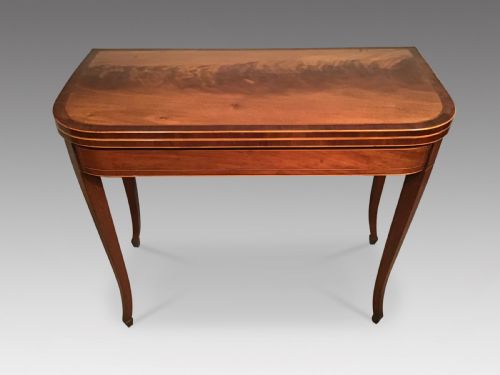
A classical tea table encompasses a variety of timber and painted surfaces designed for hospitality and display, drawing on Georgian, Regency, and Victorian aesthetics. Buyers seeking a classical tea table will encounter forms ranging from fold-over card tables and pembroke designs to occasional tables and tray stands.
The pieces on this page span the nineteenth century, including items made in the Georgian, Regency, Victorian, and Edwardian eras. Mahogany and satinwood predominate, alongside painted toleware and gesso decoration reflecting neoclassical taste.
How they were made
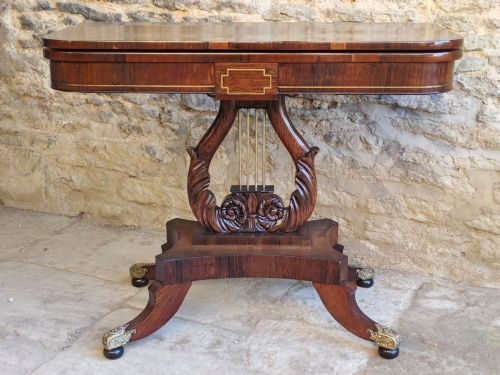
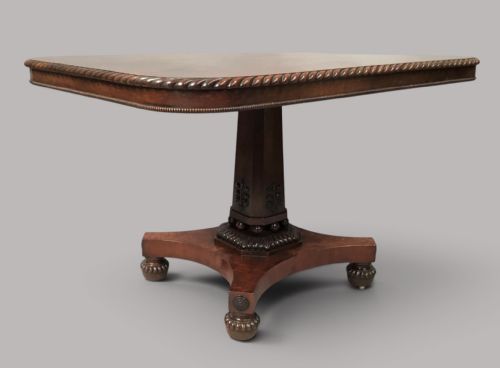
Cabinetmakers utilised dense timbers such as mahogany and rosewood, often pairing them with contrasting boxwood inlay or delicate painted motifs. Structural elements rely on traditional joinery, with polished wood surfaces highlighting the natural grain.
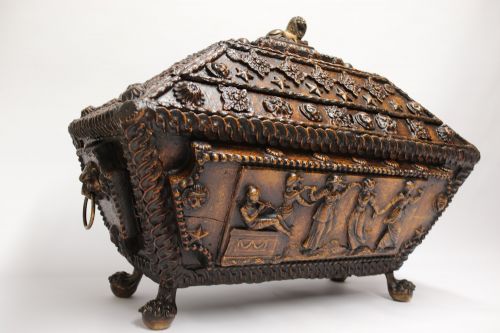
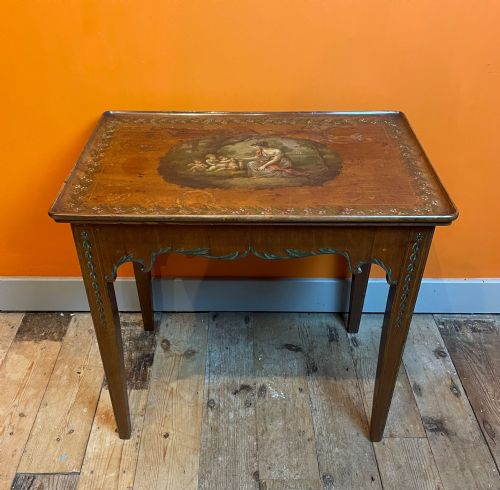
Decorative finishes include gesso ornamentation and hand-painted neoclassical scenes on wood or metal tray tops. Brass fittings and mounts complete the construction of many pieces from the Regency period.
Classical Tea Table Retail Price Guide 2026
Typical asking prices for classical tea table among the pieces listed under this phrase on Sellingantiques today, from the lower quarter to the upper quarter. They describe what is for sale here now, not the wider market.
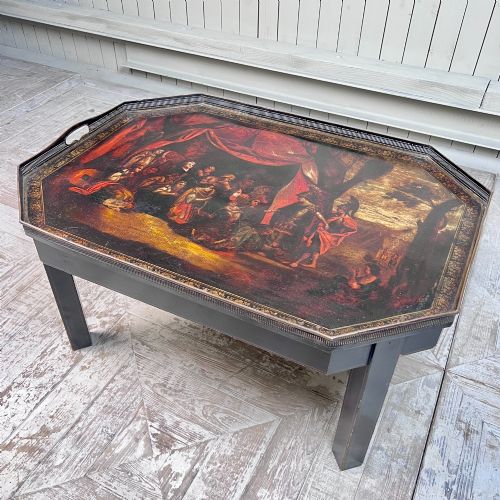
Some tables double as theatrical landscapes, depicting historical scenes like the family of Darius before Alexander right where you might set your teacup.
What varies in quality
The refinement of the timber selection and the crispness of any inlaid boxwood or gesso decoration define the upper tier of these tables. Simpler forms show functional construction, whereas superior examples exhibit balanced proportions and accomplished hand-painted detail.
The integrity of the original surface finish and the subtlety of neoclassical styling separate standard utility items from more ambitious cabinet work.
Walker and Hall
The Classical Tea Table Glossary
- Neoclassical
- A style drawing inspiration from classical antiquity, often featuring symmetrical motifs, urns, and foliate patterns. It heavily influenced design during the Georgian and Regency periods.
- Satinwood
- A fine timber with a lustrous, golden-yellow sheen used for veneers and decorative inlay. It appears frequently in painted furniture of the nineteenth century.
- Toleware
- Enamelled or painted metalware, frequently used for trays that were subsequently mounted on wooden stands. These tray tables often display elaborate pictorial scenes.
- Gesso
- A plaster-like mixture applied to wood surfaces and carved or moulded to create raised ornamentation. It provided a smooth base for subsequent gilding or painting.
- Demi-lune
- Half-moon in shape, describing tables designed to stand flat against a wall. This format was popular for card and console tables in the Georgian and Regency eras.
Classical Tea Table: Frequently Asked Questions
What is a classical tea table?
A classical tea table is a serving or display table originating from the Georgian, Regency, or Victorian periods, characterised by neoclassical design motifs.
These pieces were traditionally used for serving tea or hosting evening gatherings and remain versatile surfaces for modern interiors.
How do I date a tea table?
Dating relies on examining the timber species, construction methods, and stylistic cues such as inlay or leg shape. Regency pieces often feature bold mahogany and brass accents, while Edwardian examples show lighter neoclassical revivals.
Comparing the hardware and secondary woods underneath provides further clues to the period of manufacture.
Where should I place this table?
These tables suit reception rooms, hallways, or living spaces where their polished timber and decorative tops can be appreciated. Demi-lune and console formats fit neatly against walls, while centre tables work well in larger rooms.
Keep them away from direct heat sources to protect the polished wood and delicate painted surfaces.
How do I care for antique wood?
Maintain the finish by dusting with a soft, dry cloth and avoiding silicone-based polishes. Occasional application of a quality wax helps preserve the sheen of mahogany and satinwood.
Protect the surface from moisture and direct sunlight to prevent fading and timber movement.