



Classical Style Urn
When you search for a classical style urn, you are looking at decorative vessels shaped by antiquity, rendered in bronze, marble, and cast iron.
Classical Style Urn
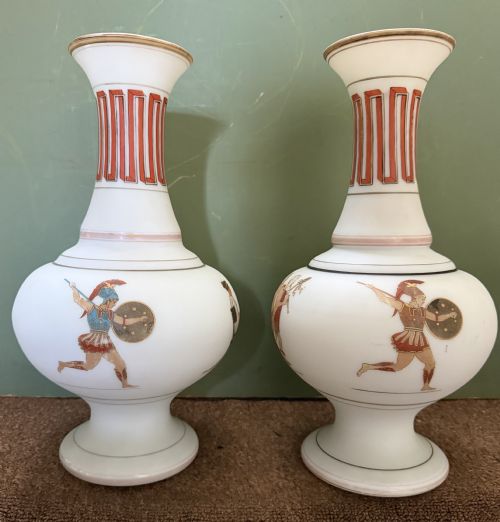
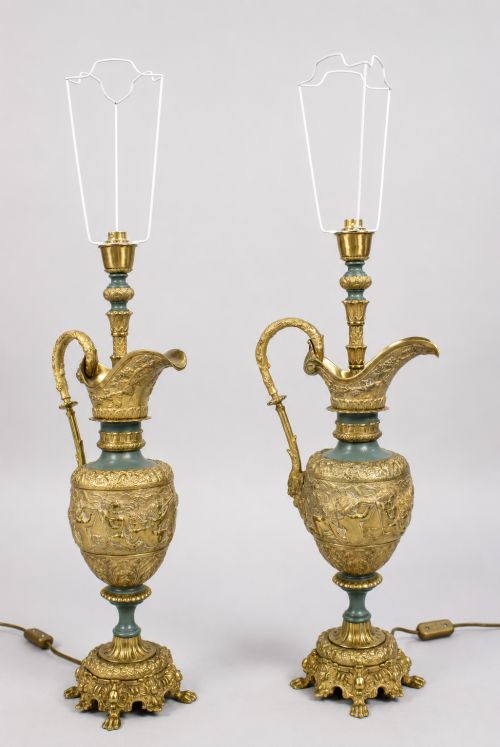
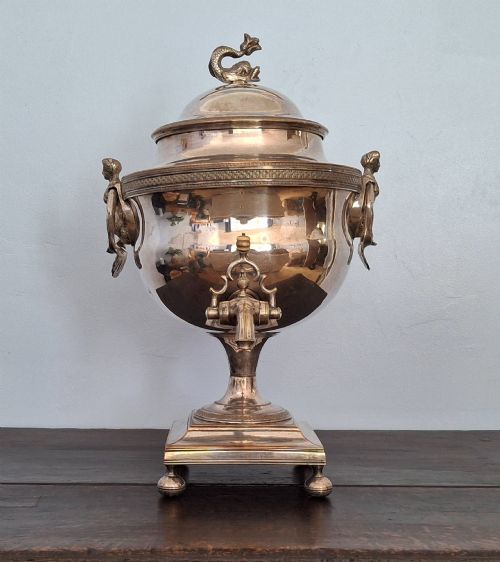
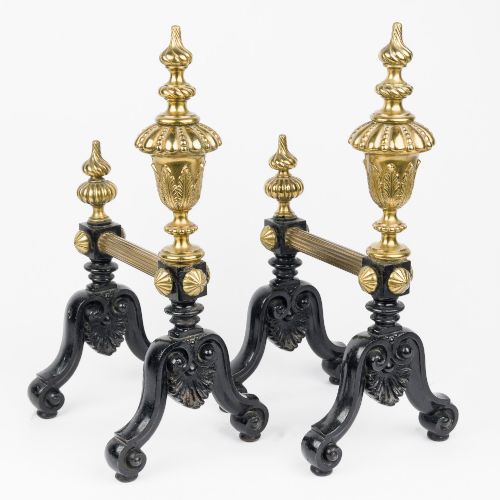
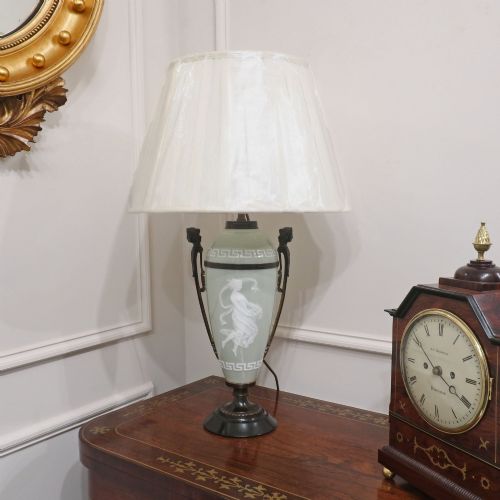
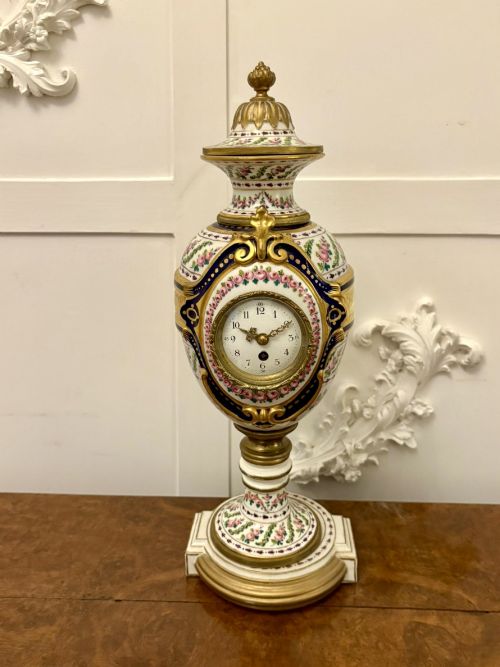
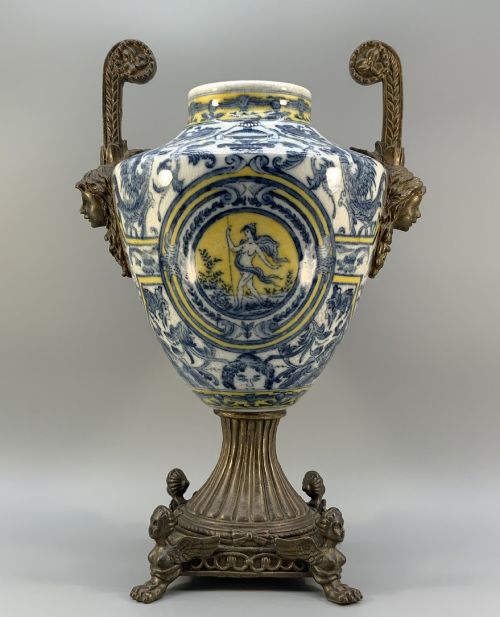
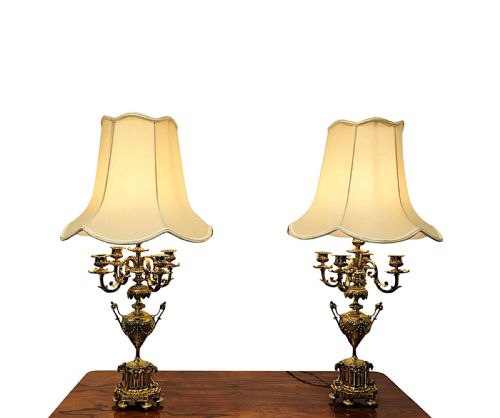
A classical style urn draws directly upon ancient Greek and Roman vessels, reimagined through Neoclassical, Louis XVI, and Victorian revivals. On this page, these pieces appear primarily as decorative urns, garden planters, mantel clocks, and lamps converted from earlier vessels.
The periods represented span the nineteenth century into the early twentieth century, including Victorian, Edwardian, and specific revival decades from 1870 to 1930. Buyers encounter works cast in iron for gardens, or mounted in ormolu and marble for interior display.
Grand Tour souvenirs sit alongside domestic mantel ornaments and heavy garden pieces, reflecting how successive generations recreated classical proportions in metal and stone.
Materials and Technique
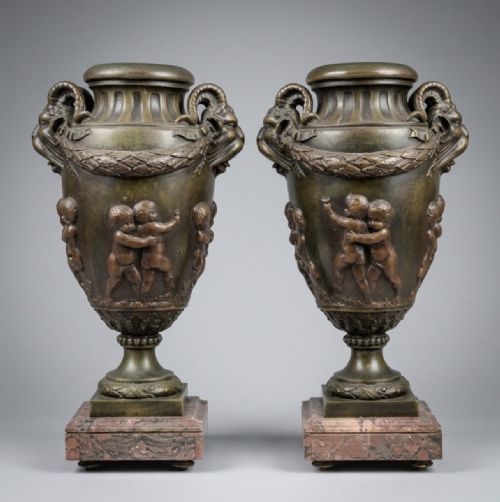
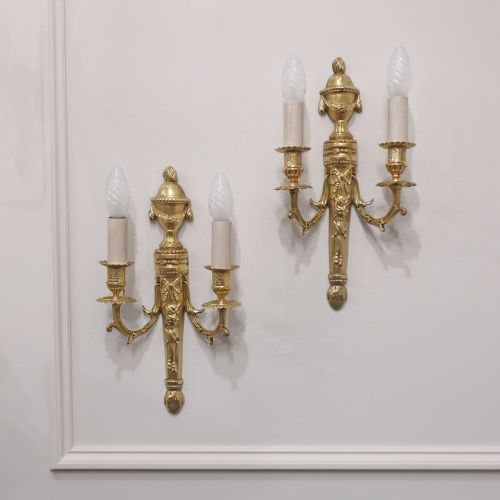
The construction of these pieces relies on cast metals such as bronze, brass, cast iron, and gilt bronze, often finished with ormolu highlights. Artisans combined these metals with carved marbles including Sienna and Campan vert, securing mounts with precision.
Foundries utilised sand-casting and lost-wax methods to achieve crisp acanthus leaves, ram's head masks, and swags. Stonework was turned on lathes or hand-carved, pairing cold mineral surfaces with warm metallic patination.
Classical Style Urn Retail Price Guide 2026
Typical asking prices for classical style urn among the pieces listed under this phrase on Sellingantiques today, from the lower quarter to the upper quarter. They describe what is for sale here now, not the wider market.
Some nineteenth-century urns feature detachable lids that double as shallow dishes, perfect for losing your keys in strict neoclassical style.
Judging Quality
Quality rests in the crispness of the chase work on the bronze and the selection of the marble base. Superior pieces exhibit deeply articulated foliage and solid mounts that fit flush against the stone without visible gaps.
Weight and balance distinguish finer examples from standard decorative items. The density of the metal casting and the absence of clumsy repairs dictate the standing of an individual urn.
Casier·F. Koller
The Classical Style Urn Glossary
- Ormolu
- Gilded bronze used extensively for decorative mounts on furniture, clocks, and vases during the eighteenth and nineteenth centuries. The technique involves applying a mercury and gold amalgam to bronze.
- Campan vert
- A distinctive veined green and grey marble quarried in France and favored for neoclassical decorative arts. It provides a rich, mottled background for gilt bronze mounts.
- Cassolette
- A decorative vessel shaped like an urn, designed with a reversible lid that functions either as a vase or a burner for perfumes. They are frequently mounted in ormolu on marble plinths.
- Campana urn
- A bell-shaped vessel modelled on ancient terra cotta and marble prototypes discovered during archaeological excavations in Italy. These forms became staples of the Grand Tour and subsequent revival periods.
Classical Style Urn: Frequently Asked Questions
Where were these urns displayed?
In nineteenth-century interiors, these vessels stood upon mantelpieces, console tables, and pedestals as symbols of classical learning and refined taste. Heavier cast iron examples were positioned outdoors in gardens and on terraces.
Interior versions often doubled as lamp bases or housed clock movements, blending utility with decorative classical dignity.
How do I identify the period?
Dating relies on material combinations, casting quality, and the specific revival style at play, such as Louis XVI or Adam Revival. Nineteenth-century pieces frequently display hand-chased details and authentic patination developed over decades.
Marks or signatures on the bronze or porcelain components can also pinpoint specific makers and workshops from the 1850s to the 1900s.
Are these pieces waterproof for plants?
Cast iron and stone urns designed for garden use tolerate soil and moisture well, weathering naturally in outdoor environments. Indoor bronze and marble versions, however, generally feature lined interiors not suited for direct planting.
Using a separate inner pot protects sensitive marble and gilt surfaces from water damage and mineral staining.