





Classical Style Shelves
Classical style shelves bring architectural lines and rich materials into a room, offering both display space and historic presence.
Classical Style Shelves
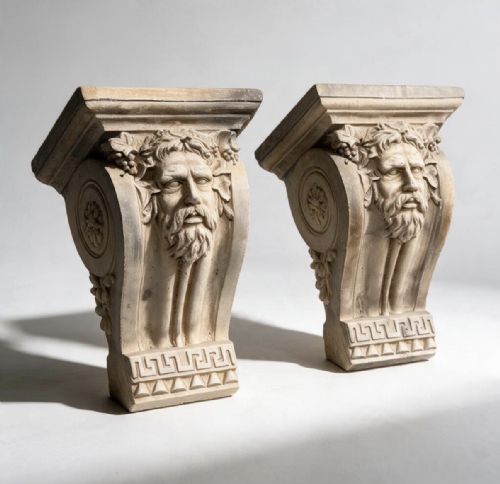
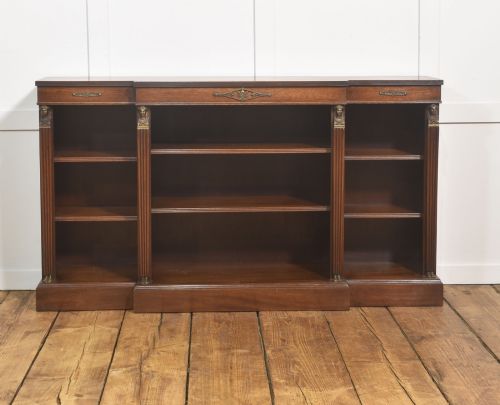
Classical style shelves encompass open bookcases, side cabinets, and wall brackets that draw on historic architectural forms. Pieces matching this description appear across the nineteenth century, including Victorian, Regency, and Napoleon III periods, alongside later twentieth-century revivals.
Makers and workshops utilised specific timber choices and decorative mounts to align with classical ideals of proportion and symmetry. Buyers encounter formats ranging from tall eight-foot bookcases to two-tier gueridons and associated wall fixtures.
Distinctions in Quality
Quality separates through the crispness of cast bronze and ormolu mounts, where finely chased details distinguish superior work from simpler castings. The weight and selection of marbles, such as black or Sienna varieties, further indicate the grade of a piece.
Joinery execution and timber selection define the cabinetwork, with figured mahogany and rosewood veneers showing careful book-matching. The integration of structural brass mounts and secondary materials reflects the original ambition of the workshop.
Classical Style Shelves Retail Price Guide 2026
Typical asking prices for classical style shelves among the pieces listed under this phrase on Sellingantiques today, from the lower quarter to the upper quarter. They describe what is for sale here now, not the wider market.
Listings feature periods spanning the nineteenth century, including Victorian, Regency, 1880, and 1920 styles.
Etienne Lenoir·Japy Freres·Gillion
The Classical Style Shelves Glossary
- Ormolu
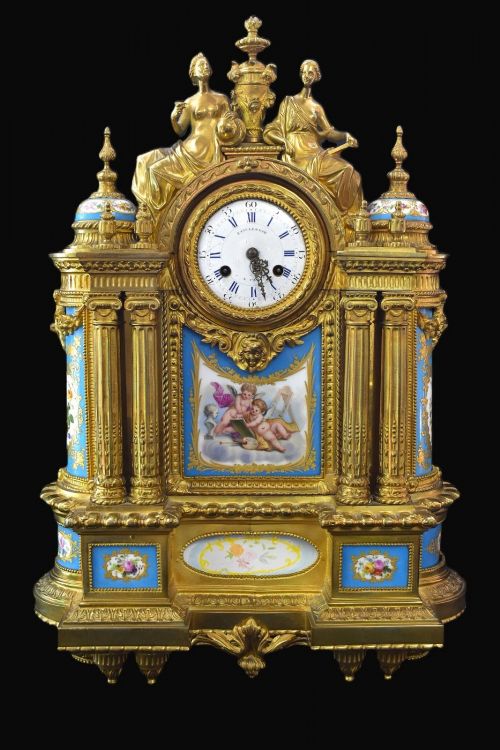
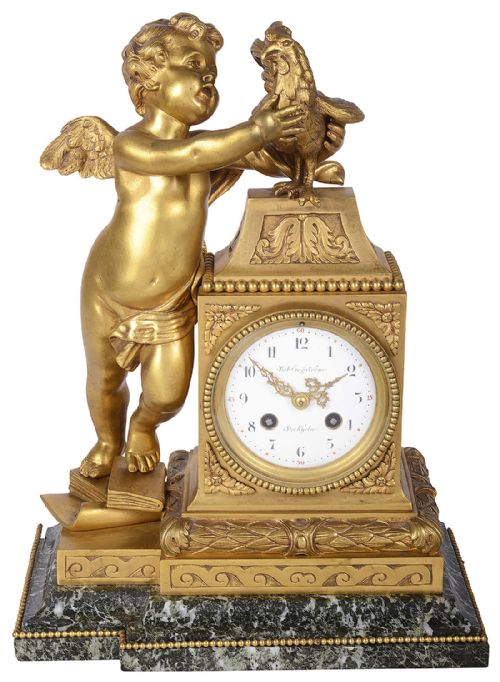
- Gilded bronze applied as a decorative mount on furniture and clock cases. This technique was widely utilised in French neoclassical and empire workshops.
- Breakfront
- A piece of furniture where the central section projects forward from the flanking sides. This configuration creates visual depth and architectural structure.
- Parcel Gilt
- Partial gilding applied to specific carved or raised portions of a wooden object. It contrasts with polished timber surfaces.
- Gueridon
- A small circular table supported by a central column or multiple legs. These forms often incorporate marble tops and canework.
- Canework
- Woven cane material utilised for shelf tiers or panel inserts. It provides a lighter textural element alongside heavy hardwoods.
Classical Style Shelves: Frequently Asked Questions
What defines classical style shelves?
Classical style shelves are defined by architectural proportions, symmetrical layouts, and traditional materials like mahogany, rosewood, and marble. They draw inspiration from neoclassical, Regency, and French Empire design traditions.
These pieces range from open bookcases to side cabinets and wall brackets, often featuring ormolu mounts or parcel gilt detailing that reflects historic European aesthetics.
How do I style these shelves at home?
Position these substantial wooden pieces against neutral walls to let the architectural lines and timber grain stand out. Balance the display space with books, ceramics, and small objects that complement the period character.
Ensure heavier bookcases are secured to the wall for stability, particularly when placing them on older floors or carpets.
Are these shelves typically French or English?
The selection includes both French and English origins, with strong representations of French Empire, Louis XVI, and Napoleon III styles alongside Regency designs.
French pieces frequently incorporate gilt bronze mounts and marble, while English interpretations lean towards mahogany breakfront proportions and leather accents.
How do I identify nineteenth-century pieces?
Nineteenth-century pieces display period construction techniques, traditional timber ageing, and specific stylistic markers such as neoclassical ormolu mounts. Reference points include Victorian, Regency, and Napoleon III design eras.
Examination of the backboards, interior fixings, and metalwork finishes helps confirm the period of manufacture.