






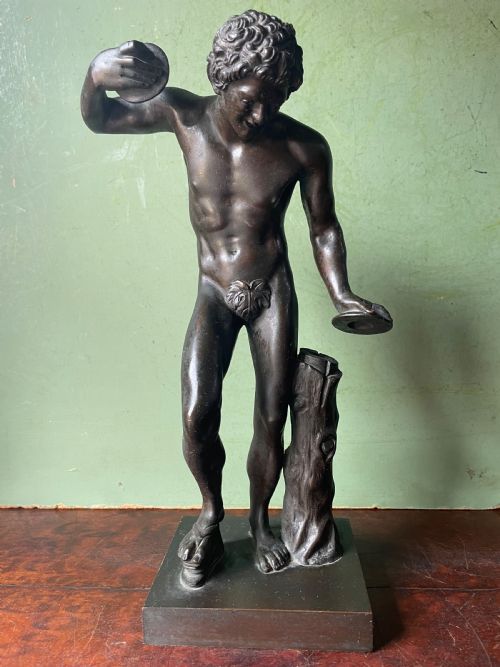
Classical Sculpture Replica
A classical sculpture replica brings the grand monuments of antiquity straight into the home through finely reduced souvenir casts.
Classical Sculpture Replica
A classical sculpture replica is typically encountered as a nineteenth century Grand Tour bronze or marble souvenir, capturing renowned antiquities and Renaissance masterpieces on a cabinet scale. These pieces originate from periods spanning the mid nineteenth century to around nineteen hundred, translating monumental statues like the Venus de Milo and the Warwick Vase into domestic formats.
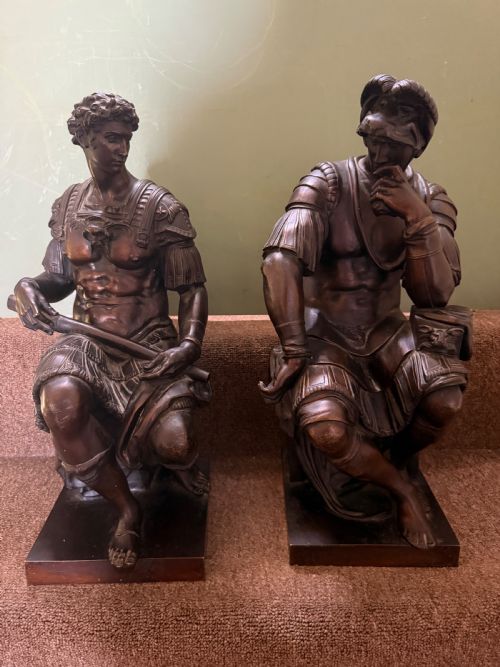
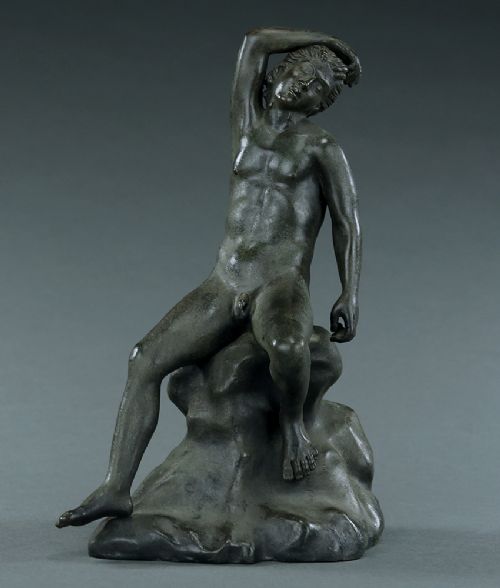
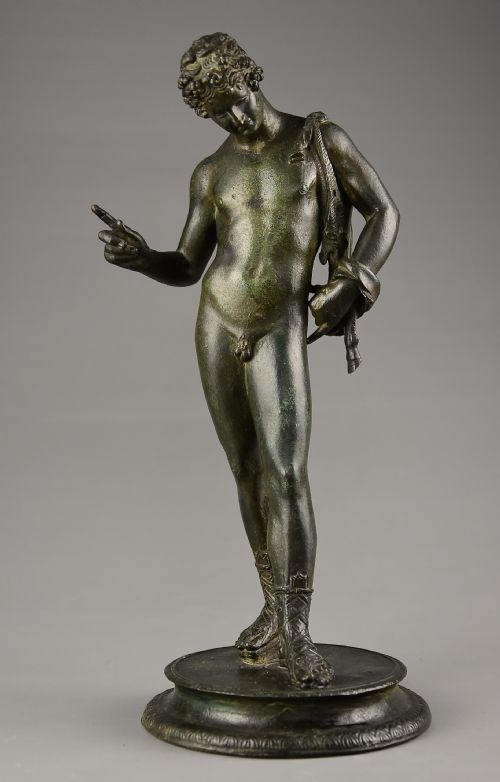
The selections available here lean heavily towards Italian foundry work, featuring figures of dancing fauns, Narcissus, and Medici portraits after Michelangelo. Buyers encounter both dark patinated finishes and verdigris surfaces, reflecting the varied aesthetic choices of nineteenth century collectors touring classical sites.
How they were made
The primary material across these listings is bronze, handled with sophisticated patination techniques to imitate excavated antiquity or aged metal. Workshops applied dark green patination or verdigris treatments to evoke the appearance of ancient bronzes unearthed in Pompeii or Rome.
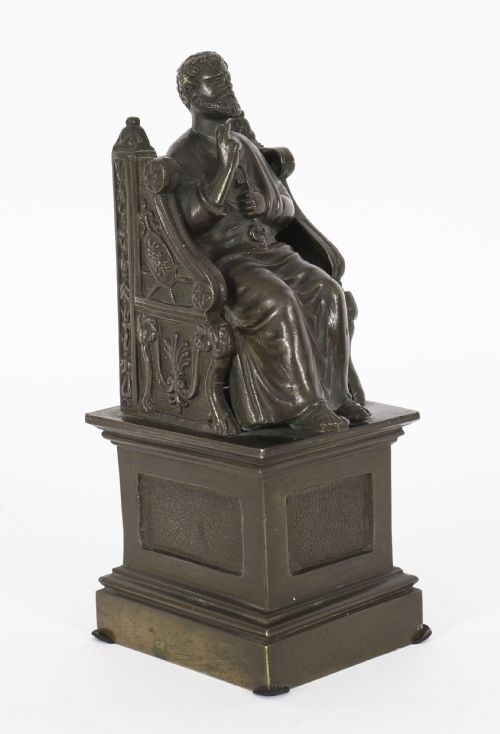
Marble frequently serves as a supporting base for the metal figures, providing a stable plinth that mimics museum display standards. Casting methods of the nineteenth century allowed for remarkable fidelity to the original sculptures, achieving precise reductions of complex subjects like Perseus with the Head of Medusa.
Classical Sculpture Replica Retail Price Guide 2026
Typical asking prices for classical sculpture replica among the pieces listed under this phrase on Sellingantiques today, from the lower quarter to the upper quarter. They describe what is for sale here now, not the wider market.
Gods of sleep and dancing fauns remain remarkably lively company for a quiet nineteenth century library.
What varies in quality
The richness of the bronze patination and the quality of the marble plinths further distinguish finer cabinet pieces from standard production souvenirs. Attention to minute details in the drapery and accessories separates the best workshop output from simpler tourist items.
The Classical Sculpture Replica Glossary
- Grand Tour
- A cultural journey undertaken by European elites through Italy, leading to the acquisition of souvenir bronzes and marbles. These items served as tangible proof of classical education and travel.
- Patination
- The chemical treatment or natural weathering applied to the surface of bronze to alter its colour. Dark green and verdigris finishes are common examples seen on nineteenth century metalwork.
- Reduction
- A scaled down copy of a larger monument or statue, allowing monumental art to be displayed in private rooms. Nineteenth century foundries specialised in translating famous antiquities into these portable sizes.
- Neoclassical
- An artistic movement reviving the styles and subjects of ancient Greece and Rome. This aesthetic heavily influenced the creation of nineteenth century souvenir sculptures.
Classical Sculpture Replica: Frequently Asked Questions
What is a Grand Tour bronze?
A Grand Tour bronze is a nineteenth century souvenir cast of a famous classical or Renaissance sculpture purchased by travellers in Italy. These reductions brought the art of Rome and Florence into private studies and libraries.
They served as both educational ornaments and reminders of continental travel. Foundries in Italy and France produced them in various sizes to suit domestic interiors.
How do I date a bronze replica?
Dating relies on the casting technique, the character of the patination, and the style of the base or mount. Nineteenth century pieces often show specific handling of bronze surfaces associated with European foundries of that era.
Looking at the wear on the metal and the type of marble used for the plinth helps narrow down the period of manufacture. Most surviving examples date from the mid to late nineteenth century.
Where were these sculptures made?
Many of these souvenir sculptures were cast in Italian workshops catering to foreign travellers visiting Rome, Naples, and Florence. French foundries also produced fine reductions after the antique for the international market.
Local artisans utilised traditional casting methods to replicate celebrated works housed in European museums. The subjects were directly inspired by excavations at Pompeii and major Renaissance collections.
How should I display them at home?
These sculptures fit well on bookshelves, desks, or dedicated side tables where their patinated surfaces can catch the light. Pairing them with other nineteenth century objects creates a cohesive interior aesthetic.
Ensure they are placed on stable surfaces, especially heavier pieces mounted on marble bases. Direct sunlight should be avoided to protect the integrity of the bronze patination.