


Classical Putto Figure
A classical putto figure brings mythological charm and lively sculptural presence into a room, taking the form of winged infants or cherubs.
Classical Putto Figure
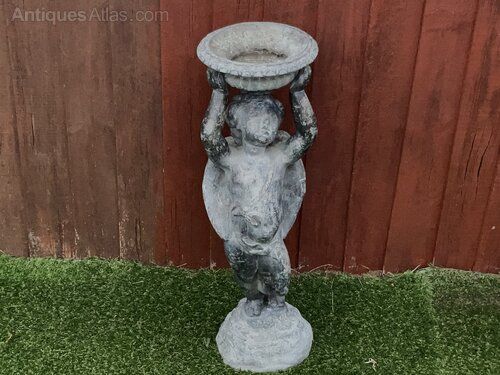
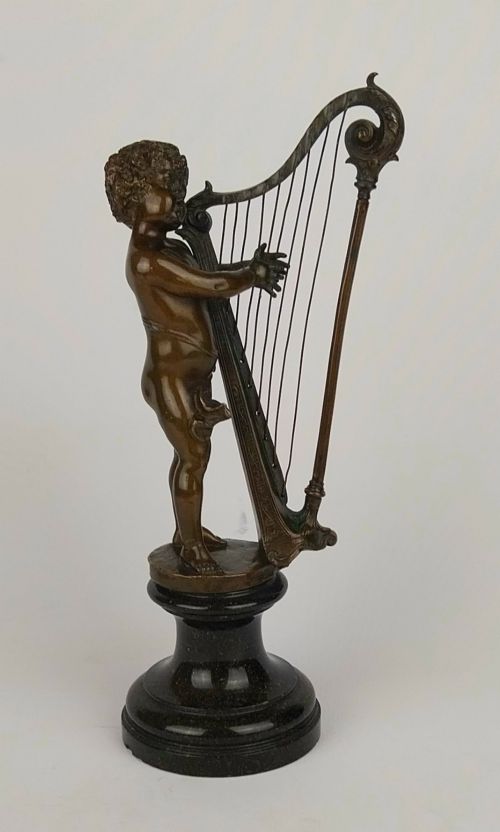
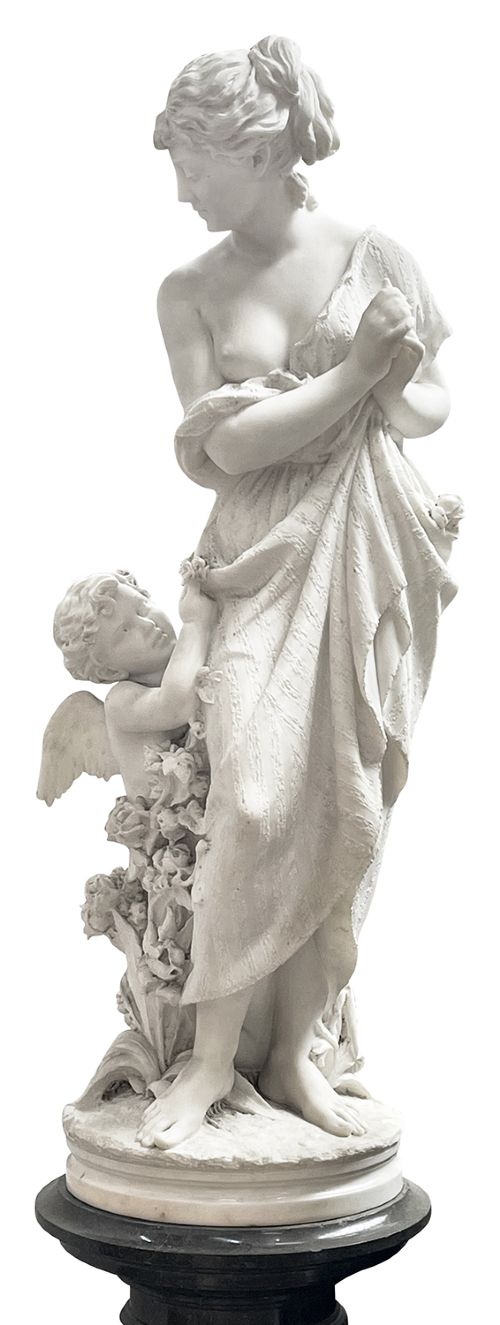
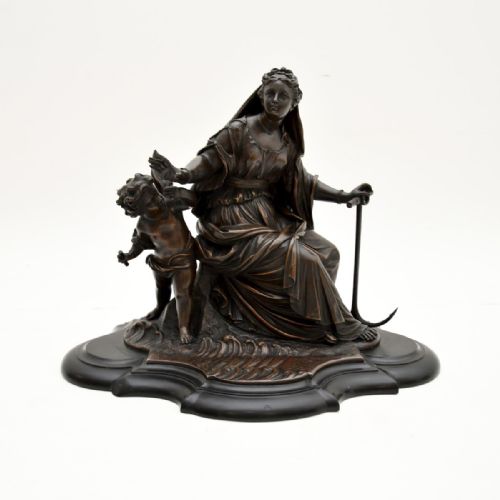
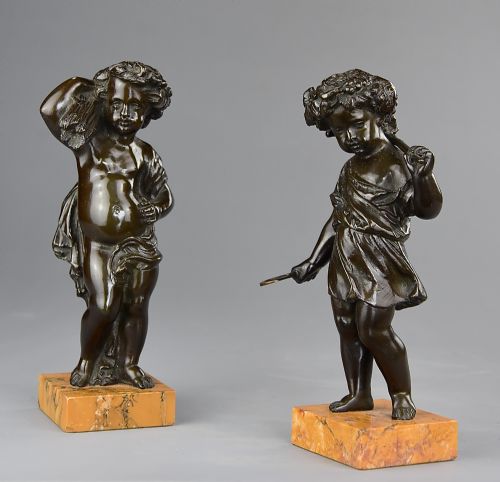
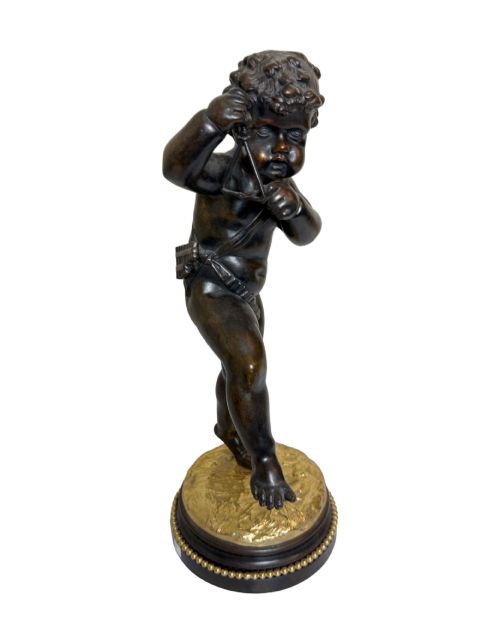
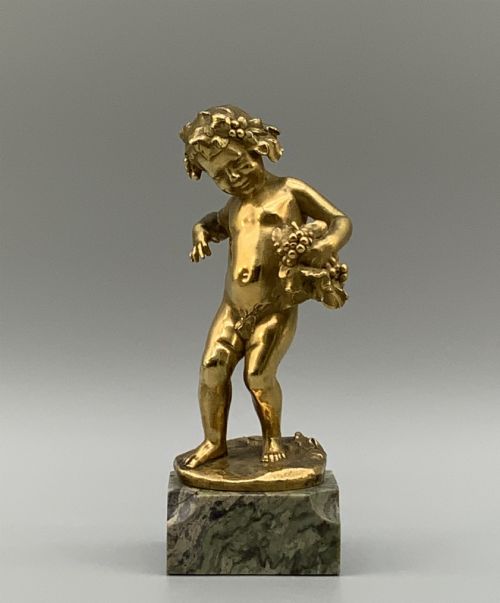
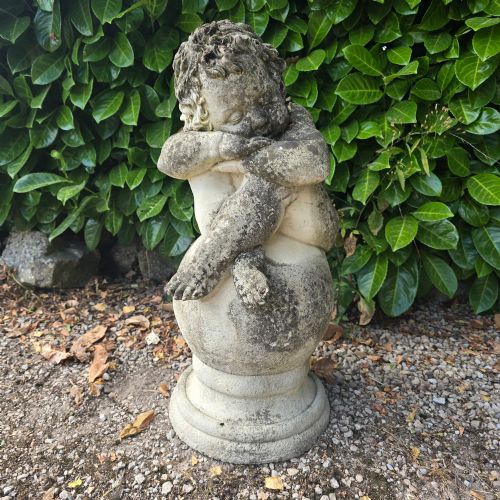
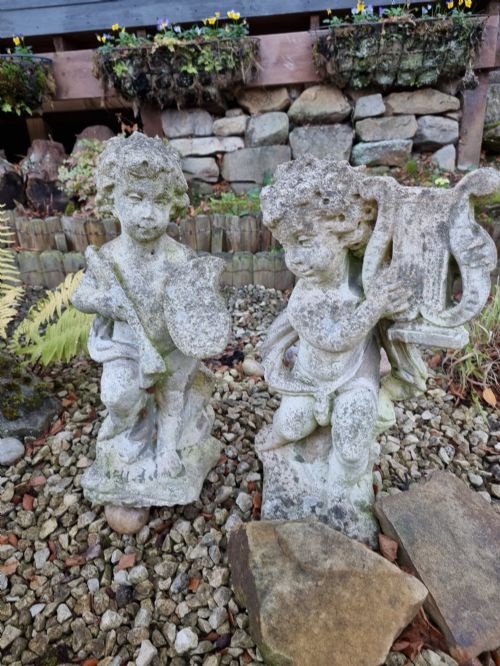
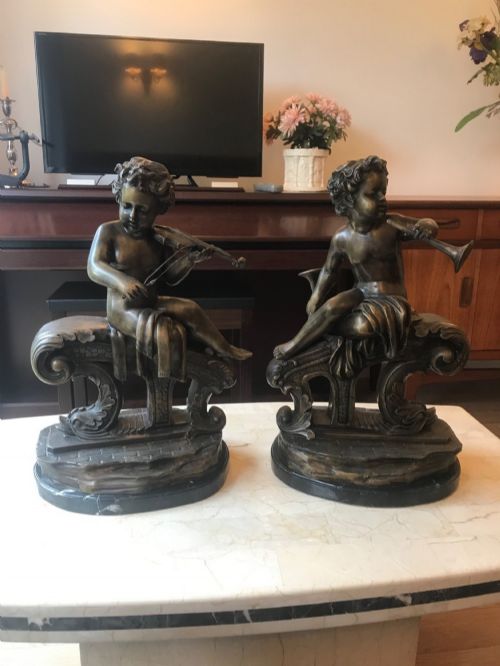
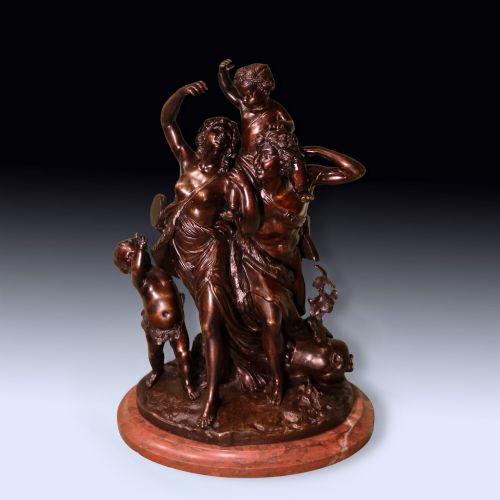
A classical putto figure depicts winged infants, cherubs, or mythological children engaged in activities like playing musical instruments, gathering grapes, or resting. Buyers seeking a classical putto figure will encounter various forms including freestanding indoor sculptures, bookends, table lamps, and larger garden statues. These pieces frequently appear in nineteenth century French and Italian styles, often drawing inspiration from classical antiquity or artists like Clodion.
The objects span multiple periods, with nineteenth century examples dominating alongside items from the Edwardian era and mid twentieth century. Materials range widely from bronze, gilt bronze, and patinated bronze to marble, lead, and cast stone. Whether rendered as a single figure or in pairs, these works capture domestic and mythological themes through traditional sculptural mediums.
Materials and Technique
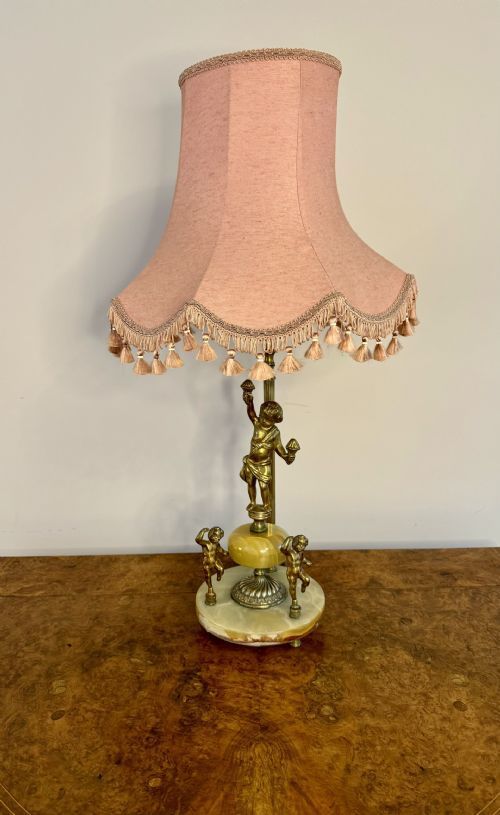
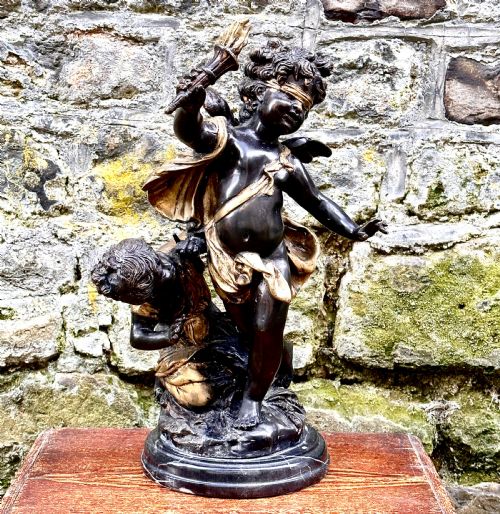
Bronze casting relies on traditional techniques to capture fine details in figures, hair, and drapery, often finished with patination or fire gilt. Many pieces combine bronze with carved marble bases, onyx columns, or gilded brass components to create substantial table lamps and sculptural groups.
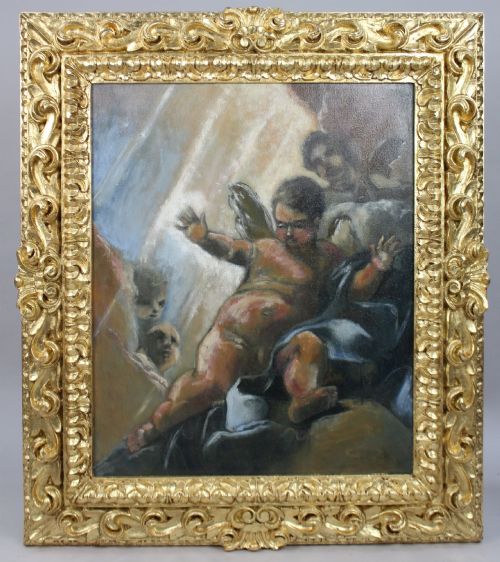
Outdoor versions utilise heavier materials like lead, cast stone, reconstituted stone, and iron to withstand the elements while maintaining distinct classical proportions. Artisans also worked in ceramic, porcelain, and canvas, utilising oil paints and glazes for painted panels and centrepieces.
Classical Putto Figure Retail Price Guide 2026
Typical asking prices for classical putto figure among the pieces listed under this phrase on Sellingantiques today, from the lower quarter to the upper quarter. They describe what is for sale here now, not the wider market.
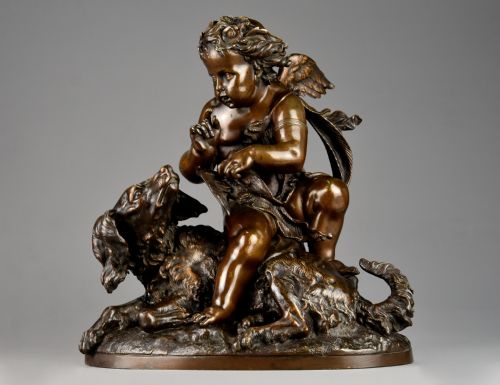
Several bronze putti share the canvas and the garden with dogs, cats, spaniels, and conch shells.
Distinctions in Quality
Quality rests upon the crispness of the casting and the sensitivity of the modelling, particularly in facial expressions, musculature, and the rendering of hair and wings. Superior bronzes display meticulous chasing and finishing work after casting, whereas lesser examples show softer contours and obscured details.
The choice of secondary materials influences the overall merit of a piece, such as heavy veined marble bases, finely turned gilt mounts, or signed foundry marks from recognised makers. Compositional balance and the dynamism of multi figure groups further separate standard decorative items from exceptional artistic works.
Charles Louis Malric·Susse Freres·Claude Michael Clodion·Antonio Canova·Ernst Wallace·Louis Auguste Moreau·Charles Cumberworth
The Classical Putto Figure Glossary
- Putto
- A figure of a small winged infant, frequently used in Renaissance and classical art. Plural putti, these figures often represent mythological beings such as cupid or infant bacchus.
- Patinated bronze
- Bronze that has been treated with chemicals to produce a specific surface colour or dark brown finish. This technique highlights sculptural contours and protects the metal.
- Gilt bronze
- Bronze coated with a thin layer of gold or gold leaf, also known as ormolu. It provides a bright, lasting metallic sheen popular in French decorative arts.
- Neoclassical
- A Western cultural movement drawing inspiration from the art and culture of classical antiquity. It emphasises proportion, restraint, and mythological subject matter.
- Grand tour
- A cultural trip through Europe undertaken by young upper class Europeans from the seventeenth through the nineteenth centuries. Travellers often collected classical antiquities and bronze sculptures as souvenirs.
Classical Putto Figure: Frequently Asked Questions
What is a putto?
A putto is a representation of a small, plump, and often winged infant derived from classical art. These figures appear frequently in Renaissance and later revival styles.
In sculptural works, they often embody playful or mythological themes, acting as musicians, harvesters, or companions to figures like Bacchus.
Where were these figures made?
Many of these pieces originate from nineteenth century France and Italy, where foundries produced extensive bronze and marble sculptures. English workshops and makers across Europe also contributed significant examples.
French ateliers were particularly renowned for gilt bronze table lamps, candelabra, and detailed statuary influenced by classical revival aesthetics.
How are garden statues made?
Garden statues are cast in durable materials designed to endure outdoor conditions over decades. Common mediums include lead, cast stone, and reconstituted stone.
Makers constructed these pieces on plinths or bases to support their weight in courtyards, gardens, and architectural settings.
How do I style a bronze figure?
These sculptures suit traditional interiors, libraries, and studies, often displayed on desks, mantels, or dedicated marble pedestals. Smaller pairs frequently serve as bookends or flank decorative centrepieces.
Placing them near natural light helps accentuate the patination and chased details of the bronze work.