


Classical Ormolu Candle Sconces
Classical ormolu candle sconces bring heavy French style and polished metal warmth straight to a panelled wall.
Classical Ormolu Candle Sconces
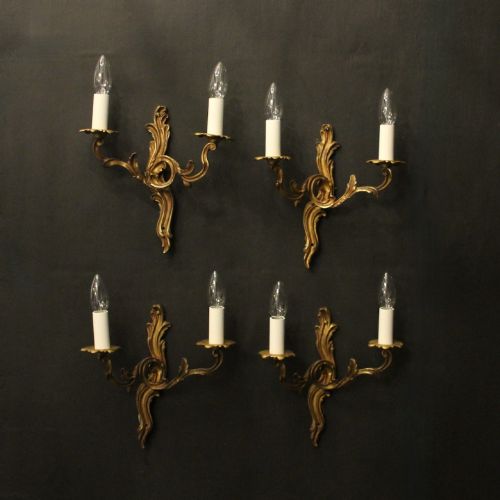
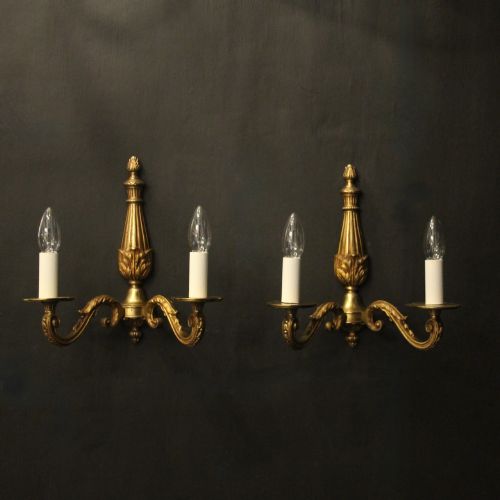
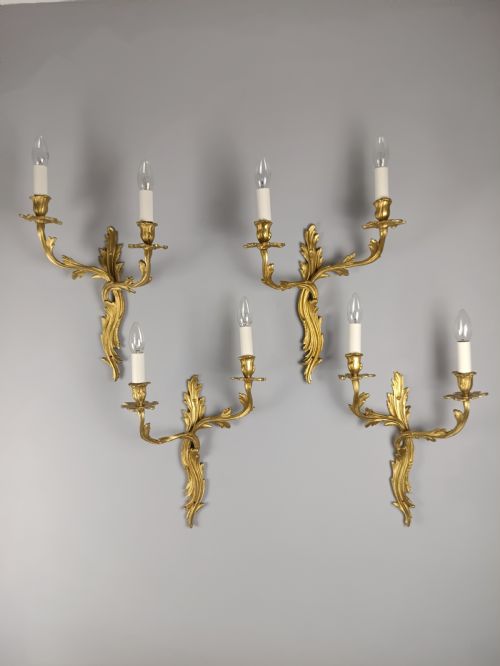
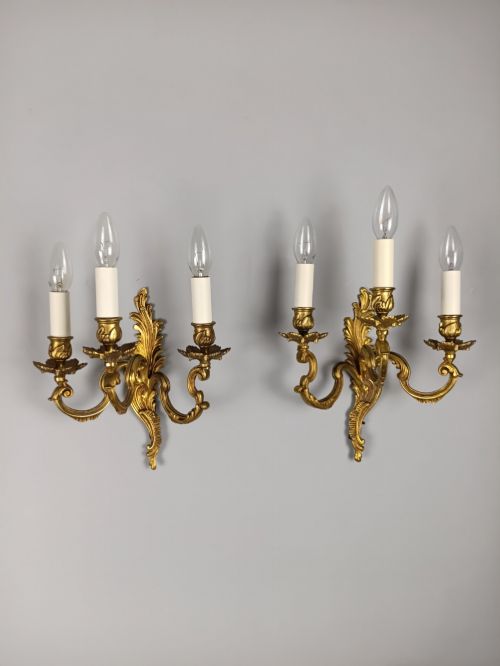
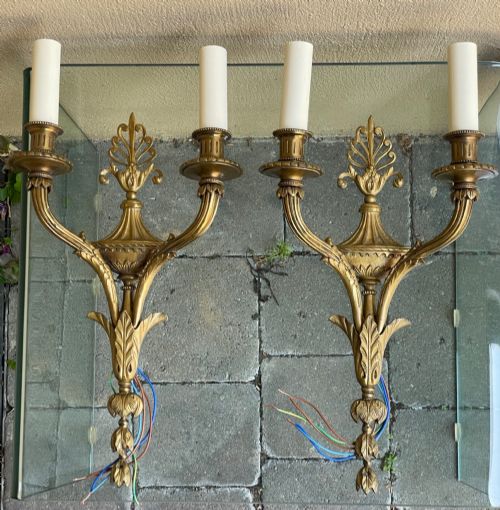
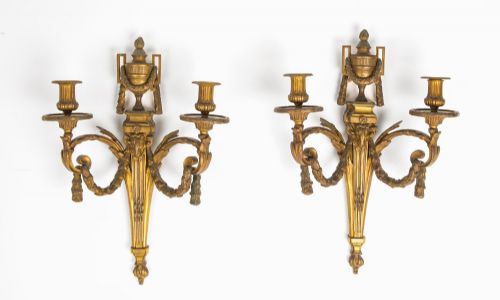
When someone searches for classical ormolu candle sconces, they are looking at ornamental wall light fixtures designed to hold candles, rooted primarily in French design traditions from the eighteenth and nineteenth centuries. The listings show a strong presence of twin arm and triple arm wall lights alongside pairs of candlesticks adapted or formed for wall mounting.
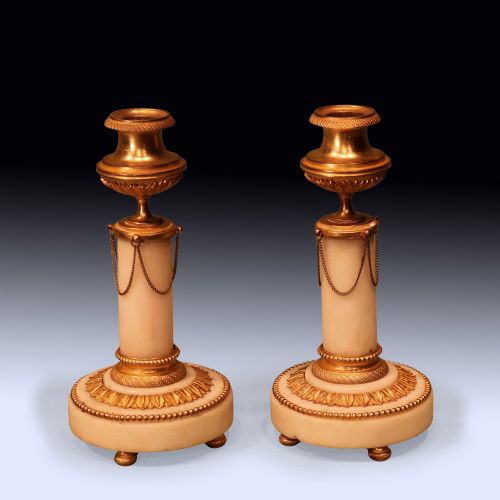
Most pieces on this page lean into French Neoclassical, Louis XVI, Empire, and Rococo aesthetics, frequently taking the form of matched pairs or larger sets of four. The designs often incorporate classical motifs such as ram's heads, cherubs, or architectural framing executed in gilded metals.
The periods span widely across the records, running from mid eighteenth century Regence examples through Georgian and nineteenth century revivals up to twentieth century interpretations. Buyers meet everything from austere neoclassical symmetry to exuberant rococo scrolling curves.
Materials and Construction
The primary metalwork relies on bronze, brass, and gilt bronze, often referred to as ormolu, which involves applying a fine layer of gold to a base bronze substrate to achieve a brilliant golden surface. Patinated bronze also appears alongside these gilded finishes, offering a contrasting dark metallic tone to the composition.
Several pieces integrate natural stone elements, specifically white marble, serving as bases or central structural shafts within the candlestick or sconce assemblies. This combination of cast metal and carved stone creates significant physical weight and a distinct tactile contrast.
One exceptional nineteenth century candlestick manages to smuggle an entire classical architectural caryatid holding a biscuit porcelain shaft right onto your mantelpiece.
Evaluating the Pieces
Heavier casting and the integration of secondary materials such as sculpted marble or biscuit porcelain shafts elevate the sophistication of the object. The architectural coherence of the style, whether strict Adam revival or flowing French Rococo, dictates the structural balance of the arms and backplates.
The Classical Ormolu Candle Sconces Glossary
- Ormolu
- A gilded bronze technique utilising mercury amalgamation to bond gold to a bronze base, producing a warm yellow metallic lustre. It requires careful cleaning to preserve the historic finish.
- Patinated bronze
- Bronze that has been chemically treated to produce a dark brown or black surface colour, often used to contrast with bright ormolu mountings. This technique highlights sculptural contours.
- Caryatid
- A sculpted female figure serving as an architectural support column, frequently appearing on shafts of nineteenth century candlesticks. It reflects a classical Greek design influence.
- Regence
- A French transitional design style preceding full rococo, characterised by symmetrical scrolls and early use of mask motifs. Pieces from this era date back to the early eighteenth century.
- Grand Tour
- Souvenirs and classical antiquities acquired by wealthy travellers in Europe during the nineteenth century. These objects often incorporate classical bronze work or carved marble.
Classical Ormolu Candle Sconces: Frequently Asked Questions
Can these antique sconces be wired for electricity?
Many wall lights of this type are adapted for modern electrical wiring by running thin flex through the central channel or behind the backplate. A qualified electrician can usually convert them without altering the external antique metalwork.
Check the internal diameter of the candle drip pans and arms to see if wiring tubes can pass through invisibly before beginning any conversion work.
How should I clean antique ormolu and gilt bronze?
Dust these surfaces gently with a soft dry artist brush or microfibre cloth to remove loose particles. Avoid abrasive metal polishes or harsh chemical dips which will strip away the historic gilt layer permanently.
If the metal requires deeper cleaning, consult a specialist conservator who understands the delicate nature of historical fire gilding and mercury finishes.
How do I spot a reproduction from an original period piece?
Examine the casting quality on the reverse side of the backplates and arms, looking for hand finishing, file marks, and period fastening screws rather than modern machine threaded bolts. Genuine nineteenth century and earlier pieces show consistent wear patterns appropriate to their age.
Compare the specific decorative vocabulary, such as the exact rendering of Louis XVI swags or Empire palmettes, against authenticated museum examples from the same stylistic era.