


Classical Oil Portraiture
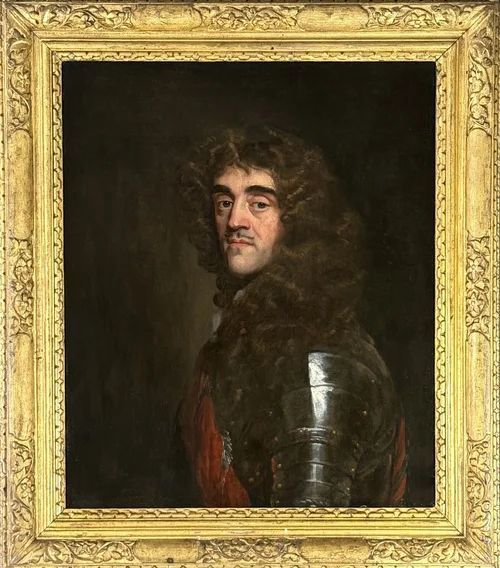
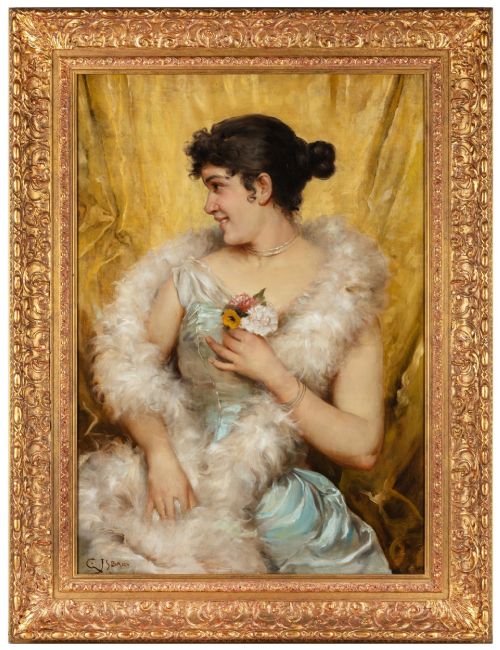
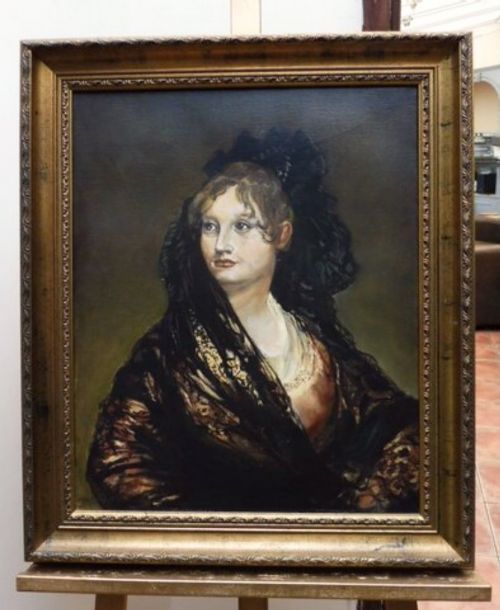
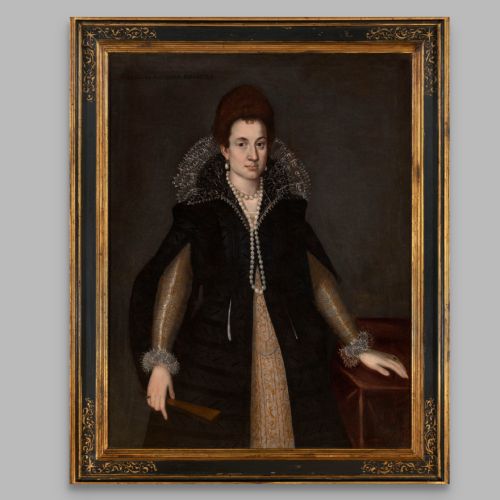
Classical oil portraiture brings centuries of character into a room through oil paint on canvas, wood, and gilded wood frames.
Classical Oil Portraiture
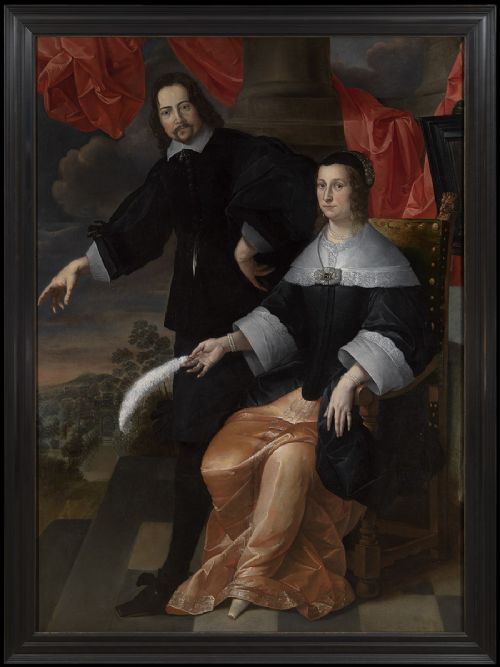
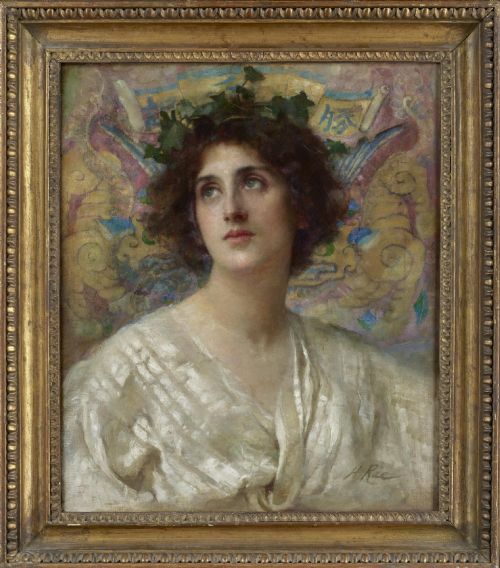
Classical oil portraiture encompasses framed oil paintings and fine art depicting individuals and groups from the seventeenth, eighteenth, and nineteenth centuries, alongside later nineteenth and twentieth century works executed in historical styles. These pieces capture sitters ranging from nobility and children to artists' families, reflecting distinct periods including the Georgian, Regency, Victorian, Baroque, and Belle Époque eras.
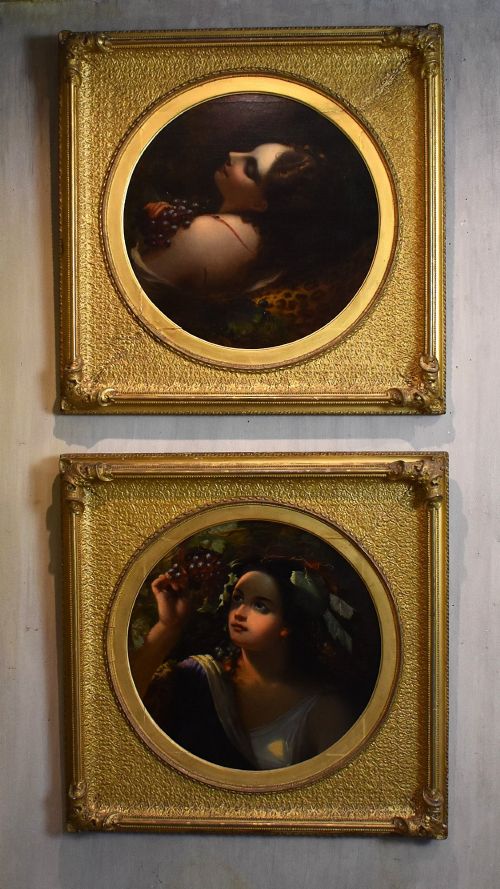
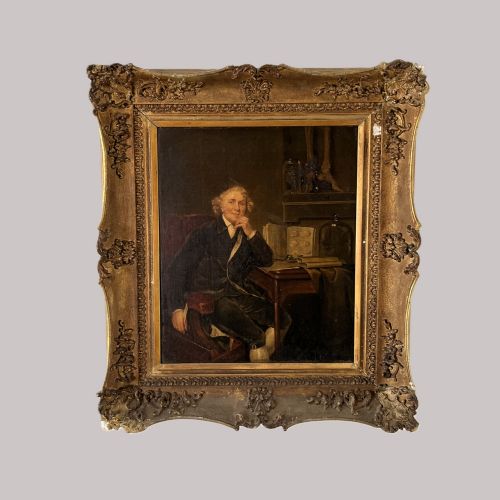
Buyers browsing classical oil portraiture most frequently encounter nineteenth century canvases and eighteenth century portraits, often presented in ornate giltwood and gilded wood frames. The selection includes works by named European painters, studio productions, followers of master portraitists, and later interpretations after famous originals.
Subjects range from individual portraits of ladies, gentlemen, and youths to double portraits, family groups, and allegorical sets representing seasonal themes. The works span British, Spanish, Dutch, and Italian schools, offering varied glimpses into historical dress, status, and portrait traditions.
Materials and construction
The foundation of these works relies on oil paint applied to woven canvas supports or wooden panels, utilising traditional layering techniques developed across the seventeenth, eighteenth, and nineteenth centuries.
Frames play an integral structural and aesthetic role, constructed from wood and finished with gilded surfaces or giltwood mouldings that complement the depth of the oil paintings they enclose.
Several portraits feature observant pets, including a young girl accompanied by her pet bird and a boy posing with his loyal dog.
Assessing quality and execution
The integrity of the canvas and paint layer, alongside the preservation of the original or period-appropriate gilded wood frame, distinguishes superior survivals from works suffering from heavy restoration or later overpainting.
G. J. S. Bary·Pierre Mignard·Francisco José de GOYA y Lucientes·Pietro Fachetti·Bartholomeus van der Helst·Sir Allan Ramsay·Henrietta Rae·Theodore Jensen·John Hamilton Mortimer·Christian Lindner·Thomas Gainsborough·Sir Thomas Lawrence·Franz Xaver Winterhalter·Guiseppe Mazzolini·Balthasar Denner·George Romney·Élisabeth Louise Vigée Le Brun·John Michael Wright·George Henry Harlow·Michael Dahl·Jean-Baptiste Santerre
The Classical Oil Portraiture Glossary
- Oil on canvas
- A painting technique where pigmented oil paints are applied to a stretched woven fabric support. This method allows for subtle blending and rich colour depth.
- Giltwood
- Wood carved and covered with a thin layer of gold leaf or gold powder. It provides a luminous, reflective border for classical paintings.
- Attributed to
- A term used when an artwork is considered the work of a particular artist based on stylistic evidence, though lacking definitive documentation. It denotes strong scholarly consensus.
- Baroque
- An artistic style prevalent from the seventeenth century characterised by dramatic movement, deep shadow, and rich emotional intensity. Portraiture from this period emphasises grandeur and dynamic composition.
- Georgian
- Pertaining to the period of the British Hanoverian kings spanning the eighteenth and early nineteenth centuries. Portraits from this era often exhibit refined elegance and restrained colour palettes.
Classical Oil Portraiture: Frequently Asked Questions
How should I hang an antique oil portrait?
Hang these pieces on sturdy walls away from direct sunlight and fluctuating heat sources to protect the canvas and wood.
Ensure the weight of the heavy gilded frame is properly supported by appropriate wall fixings.
What is the difference between an original and an after-work?
An original portrait was painted from life by the artist during the sitter's lifetime or shortly after.
An after-work is a later painting created by a different artist who copied or reinterpreted a well-known composition.
How do I identify the period of a portrait?
Examine the clothing, hairstyles, and accessories worn by the sitter, as these closely follow the fashion of the era in which the portrait was painted.
The style of the stretcher, canvas weave, and construction of the gilded wood frame also provide reliable dating clues.
Can these paintings be cleaned safely?
Surface dust can be removed gently with a soft, dry brush, avoiding any moisture or pressure on the paint layer.
Professional conservation should be sought for any deeper cleaning or removal of aged varnish.