
Classical Oil Canvas Portrait
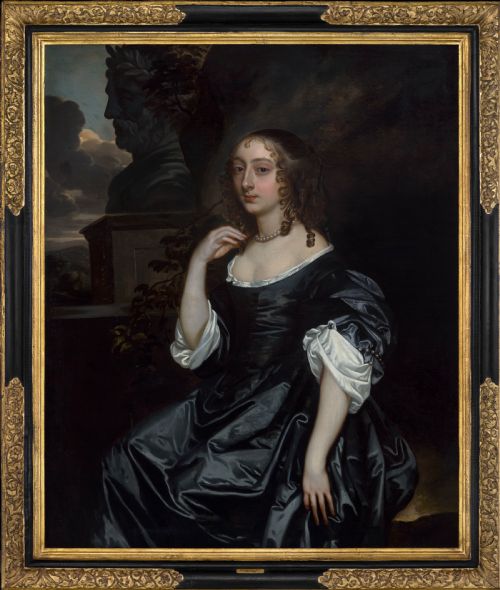
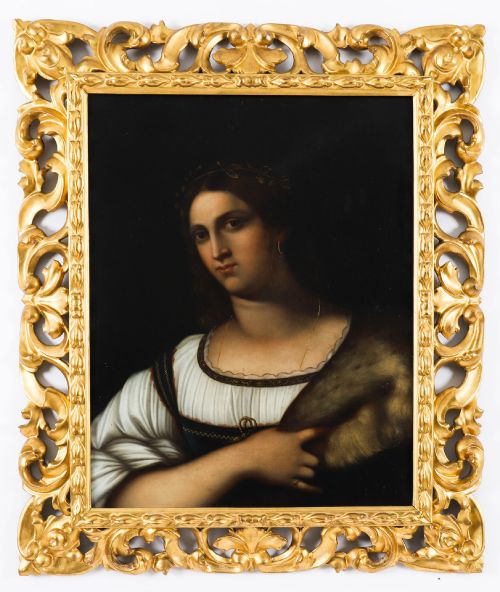
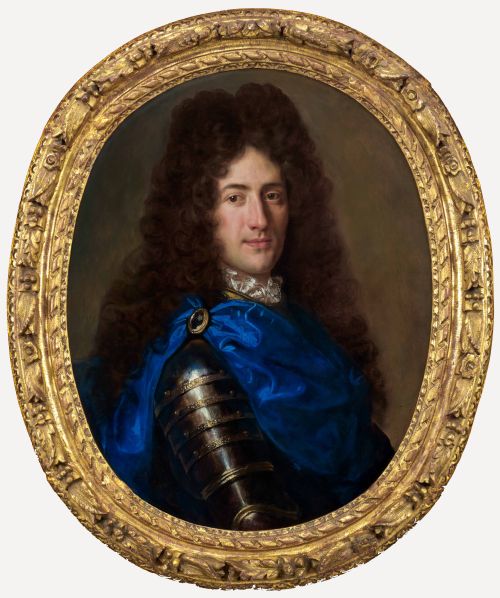
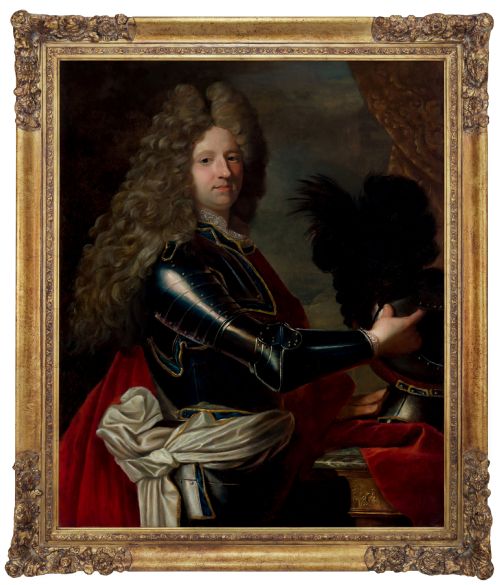
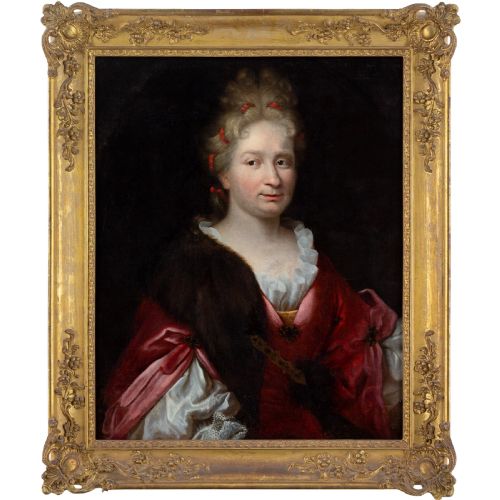
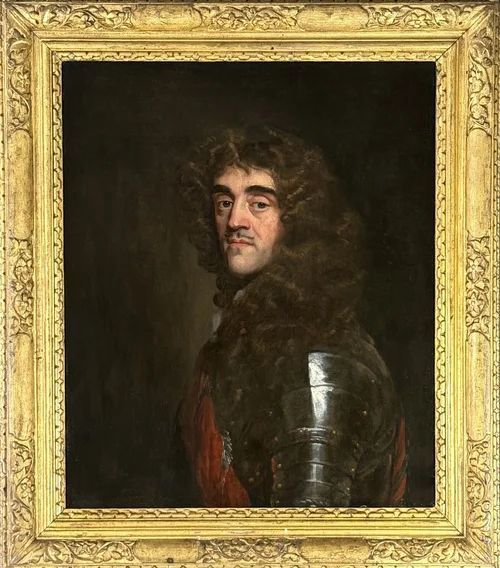
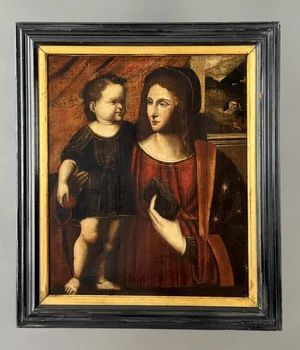
When you search for a classical oil canvas portrait, you are looking at centuries of figurative painting rendered in oils upon woven canvas.
Classical Oil Canvas Portrait
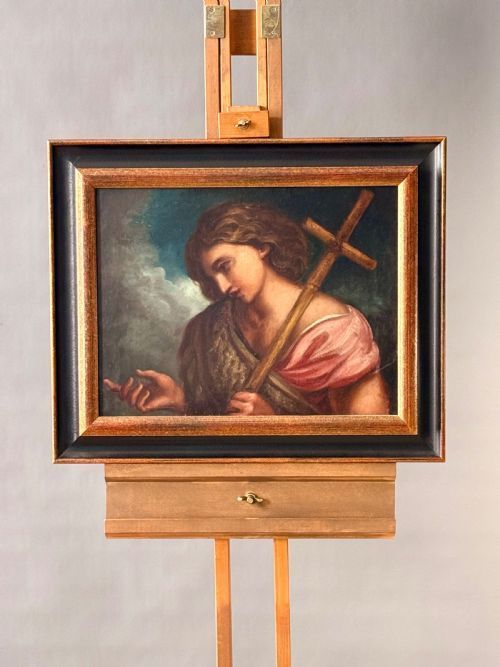
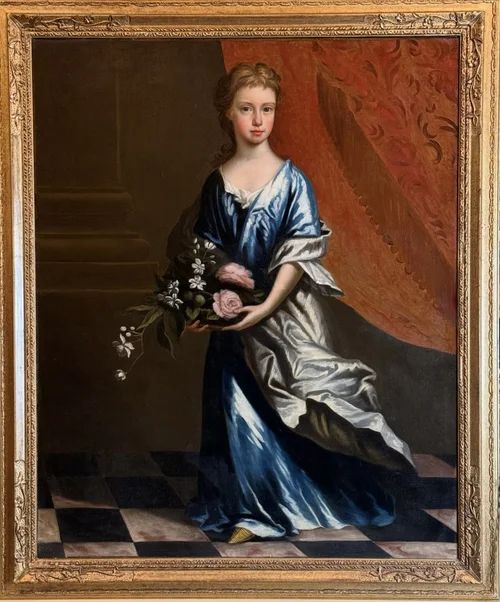
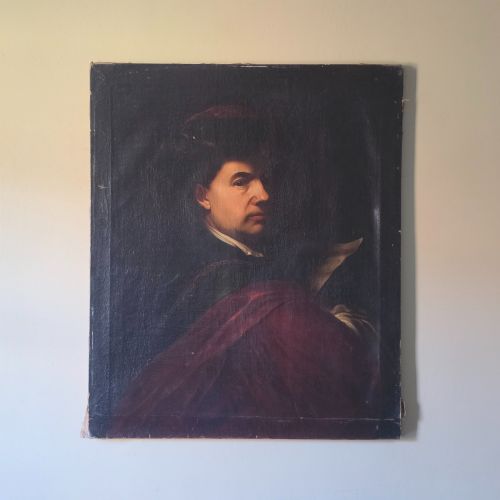
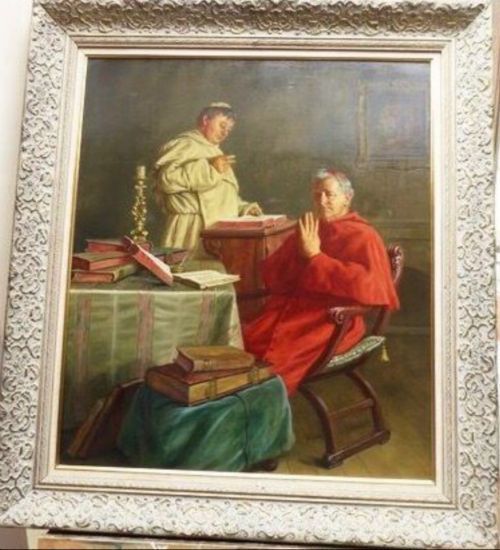
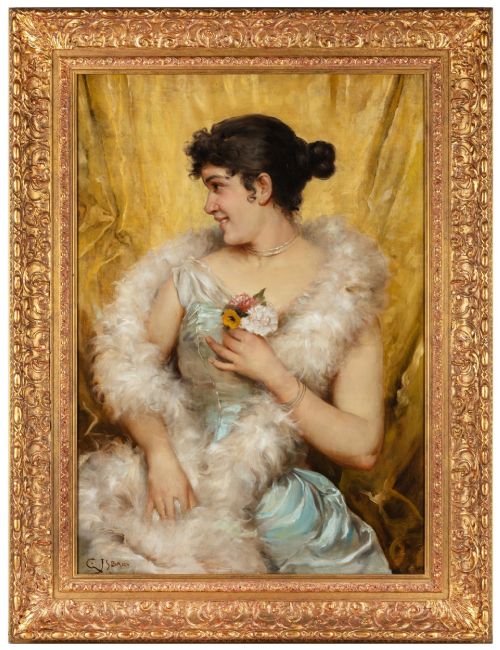
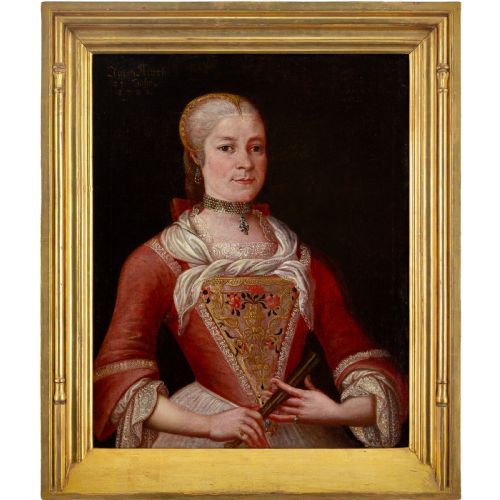
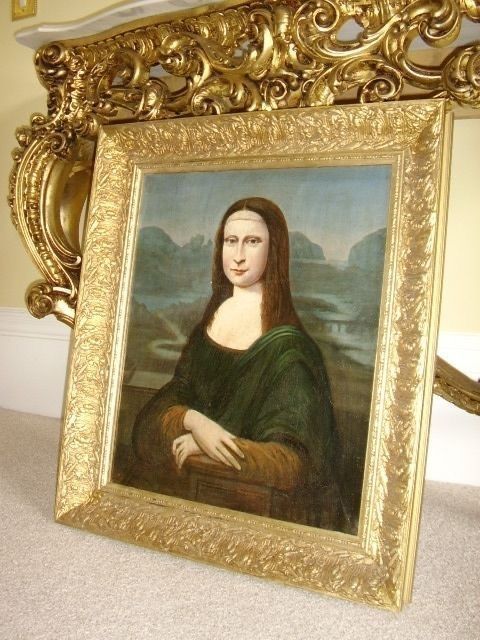
A classical oil canvas portrait brings historical figurative art into a room, depicting ladies, gentlemen, children, and mythological subjects in oil paint. These works span from the seventeenth century through to the nineteenth century, alongside later revivals and copies after masters.
Buyers will encounter original period pieces by named artists and regional schools, as well as works executed in the manner or style of earlier masters. Canvas supports dominate the selection, frequently paired with period frames such as carved giltwood.
What varies in quality
The preservation of the canvas and the integrity of the paint surface dictate the visual impact of the piece. Stronger examples retain their original handling without heavy overpainting, while superior framing in period giltwood adds historical harmony to the artwork.
Materials recorded across the archive include traditional oil paints, woven canvas, carved giltwood frames, and gold leaf.
G. J. S. Bary·Jozsef Molnar·Sir Peter Lely·Pieter Borsseler·Francisco Goya·Sir Joshua Reynolds·Charles-Antoine Coypel·Pietro Fachetti·Bartholomeus van der Helst·Sir Allan Ramsay·Robert Byng·Bernardino Luini·John Opie·Toussaint Gelton·Guillaume Courtois·Henrietta Rae·William Jones·Renato Moretti·Jean-Baptiste Greuze·Philippus Vilain·Jean-Baptiste van Loo·Theodore Jensen·John A. Monteith·Paolo Veronese·John Ferneley Senior
The Classical Oil Canvas Portrait Glossary
- Oil on Canvas
- A painting technique where oil-based pigments are applied to a stretched woven fabric support. This combination provides a flexible and durable medium favoured by portraitists for centuries.
- Giltwood
- Timber that has been coated with a thin layer of gold leaf or metallic gilt powder. Frames made from this material were designed to catch candlelight and daylight in formal interiors.
- Baroque
- An artistic style spanning the seventeenth and early eighteenth centuries characterised by dramatic lighting, rich colour, and dynamic movement. Portraits from this tradition often feature deep shadows and intense psychological focus.
- School
- A term used to describe a group of artists working in a particular region or following the style of a master. Attributions to a specific school indicate the geographic and stylistic origin when an individual maker is unknown.
- Renaissance Revival
- A nineteenth-century aesthetic movement that drew inspiration from the art and architecture of the fifteenth and sixteenth centuries. Works in this style emulate the classical balance and rich palette of the earlier period.
Classical Oil Canvas Portrait: Frequently Asked Questions
What is a classical oil canvas portrait?
A classical oil canvas portrait is a painting executed in oil paints upon a canvas support, depicting human subjects in styles ranging from the baroque and Georgian eras to later revivals. These artworks capture the likenesses of historical individuals or mythological figures using traditional layering techniques.
Such pieces serve as direct links to past centuries, showcasing the portraiture traditions of British, European, and continental schools. They offer buyers a chance to live with historical fine art created by professional painters and regional workshops.
How should I display an oil portrait?
These portraits look best hung at eye level in rooms with controlled natural light, away from direct sunlight that can degrade aged oil pigments and canvas. Pairing them with traditional interiors allows the giltwood frames and rich dark backgrounds to stand out.
Ensure the hanging wall is free from excessive dampness or sudden temperature fluctuations, which can affect both the wooden stretcher and the canvas. Proper lighting from a dedicated picture light enhances the depth of the oil paint layers.
How do I identify the period of a portrait?
Dating relies upon examining the sitter's costume, hairstyle, and framing style, alongside any visible signatures, inscriptions, or canvas stamps on the reverse. Seventeenth and eighteenth-century works often feature distinct clothing fashions and characteristic pigment use compared to Victorian or revival pieces.
Consulting the recorded school and historical context provided in the listing helps narrow down the decade or century of execution. Stylistic markers such as baroque drama or neoclassical restraint offer further clues to the date.
What does after a master mean?
When a painting is described as being after a particular artist, it indicates that the work is a period copy or interpretation of a known masterpiece by that maker. These pieces were often painted by students, studio members, or later artists studying historical techniques.
Such paintings allowed patrons to own versions of famous compositions housed in major galleries. They represent a valued tradition in European art history rather than modern reproductions.