






Classical Nude Sketches
Classical nude sketches capture the human form through academic study and historical draftsmanship.
Classical Nude Sketches
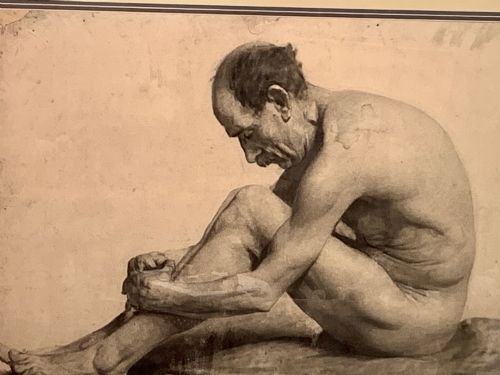
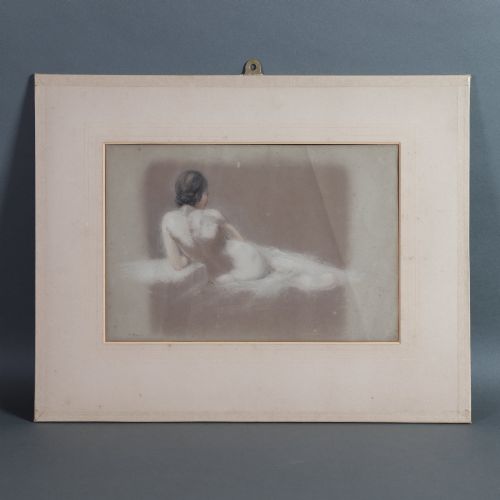
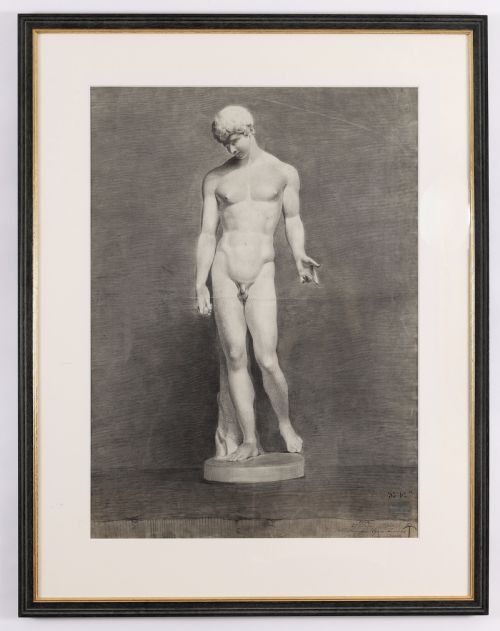
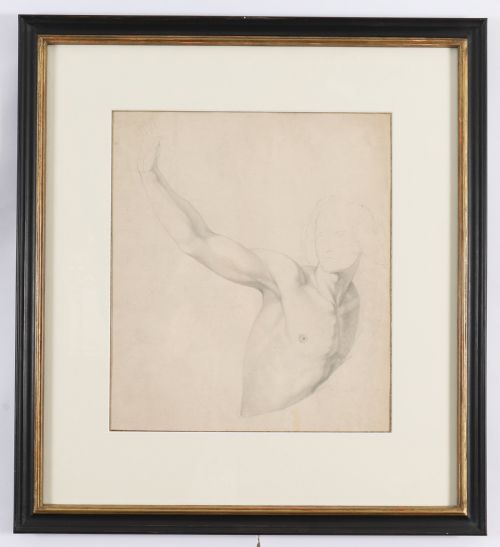
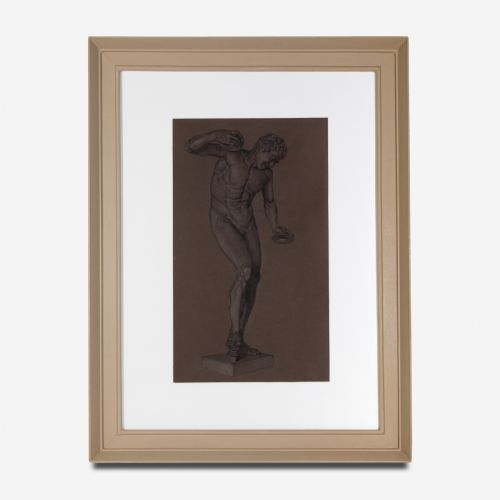
Classical nude sketches represent figure studies rooted in academic training, spanning the eighteenth and nineteenth centuries. You encounter works executed in charcoal, chalk, graphite, and mixed media upon paper surfaces.
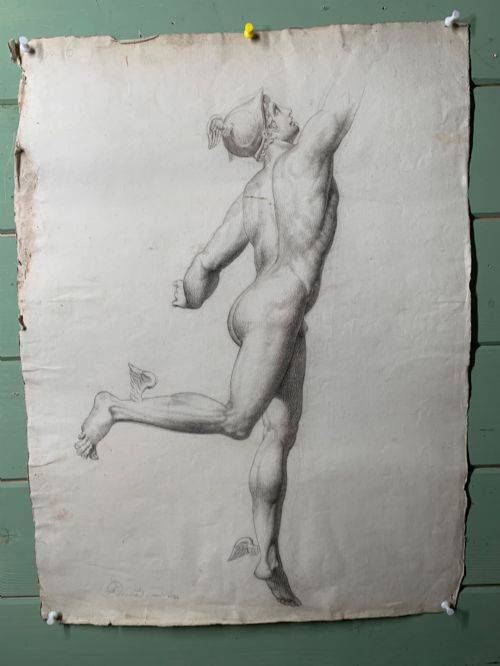
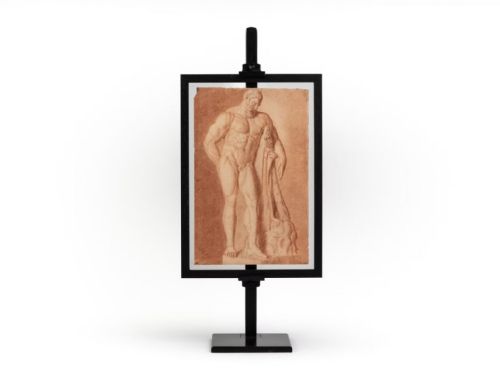
The selections range from detailed drawings of mythological subjects like the god Hermes and Hercules Farnese to life studies of male and female models. These framed artworks reflect stylistic traditions including Neoclassical, Academic Realism, and the French school.
How they were made
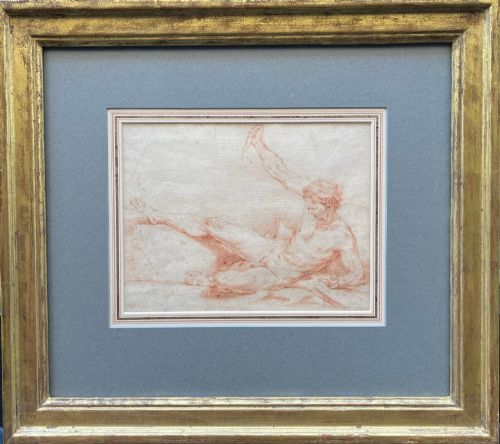
Draftsmen relied on traditional mediums such as red chalk, charcoal, and graphite applied to paper and toned paper. These materials allowed artists to build shadow, volume, and contour with precision.
Works are frequently housed in wooden or gilt wood frames with glass protection. The application of pen and ink or mixed media demonstrates the varied technical approaches of academic study.
Classical Nude Sketches Retail Price Guide 2026
Typical asking prices for classical nude sketches among the pieces listed under this phrase on Sellingantiques today, from the lower quarter to the upper quarter. They describe what is for sale here now, not the wider market.
Periods represented span the eighteenth century through the late nineteenth century.
What varies in quality
Draftsmanship precision and anatomical accuracy distinguish the execution of these figure studies. The handling of light and shadow across the human form reveals the underlying skill of the artist.
The preservation of the paper substrate and the integrity of the framing materials influence the overall presentation. Works demonstrating direct observation from life carry distinct visual depth compared to copies after established masters.
William Etty·Hyacinthe Colin de Vermont·Henry Arthur Roberts·Pierre Paul Prud'hon·William Edward Frost
The Classical Nude Sketches Glossary
- Academic Realism
- A style of painting and drawing produced under the influence of European academies of art. It emphasises rigorous adherence to classical standards and precise anatomical study.
- Toned Paper
- Paper that possesses a natural colour or tint rather than a pure white surface. Artists utilise it to apply highlights with white chalk and shadows with dark media.
- Recto and Verso
- Terms designating the front and the back of a single sheet of paper. Drawings occasionally appear on both sides of historical sheets.
- Red Chalk
- An iron oxide-based drawing material used extensively for figure sketches. It produces warm, earthy tones ideal for rendering flesh.
Classical Nude Sketches: Frequently Asked Questions
What periods do these drawings span?
The listings encompass works originating from the eighteenth and nineteenth centuries, including Georgian and Victorian periods.
Specific dates within the titles point to decades such as the eighteen-thirties and eighteen-eighties.
How should I display paper drawings?
These framed artworks require placement away from direct sunlight to prevent fading of chalk, graphite, and paper.
Maintaining stable indoor humidity levels helps preserve the structural integrity of the paper and wooden frames.
What subjects appear in these works?
Subjects include academic life studies of standing and recumbent male and female figures. Classical mythologies and antique sculptures also form central themes.
Artists frequently referenced classical antiquities such as the Capitoline Antinous and the Farnese Hercules.
Are these works original or copies?
The inventory contains both original life studies and historical drawings executed after established masters like Raphael and Cipriani.
Attributions reference specific European schools including French and Italian traditions.