



Classical Metal Figurine
A classical metal figurine brings antiquity to the desk or mantelpiece, cast in bronze or spelter to echo the great statues of Greece and Rome.
Classical Metal Figurine
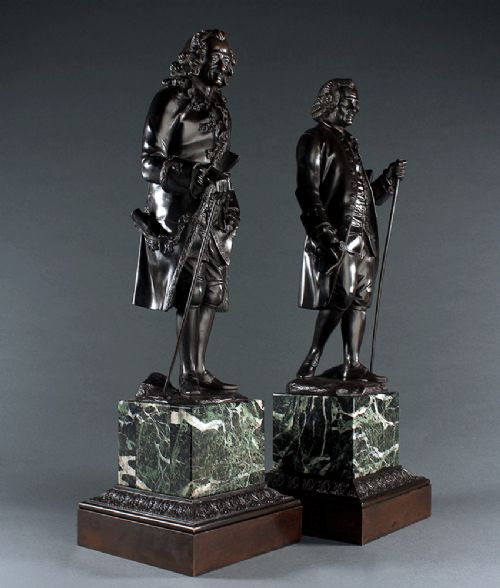
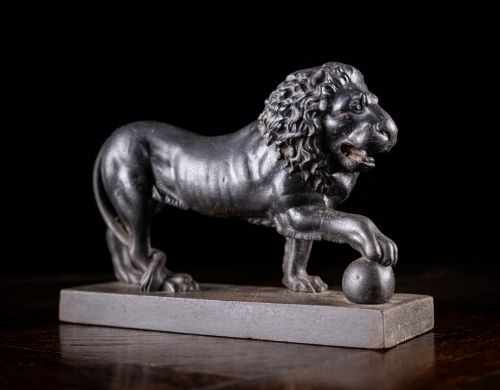
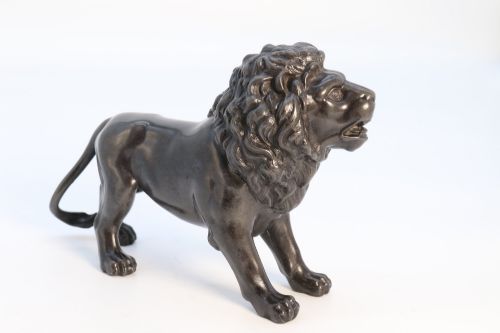
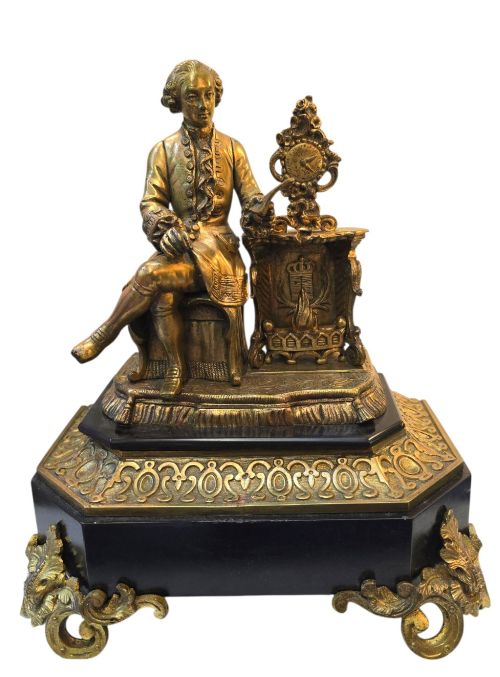
When someone searches for a classical metal figurine, they seek small sculptural works that depict mythological figures, historical personages, animals or allegorical subjects. These objects range from Grand Tour souvenirs brought back by travellers in the nineteenth century to decorative statuettes designed for domestic interiors.
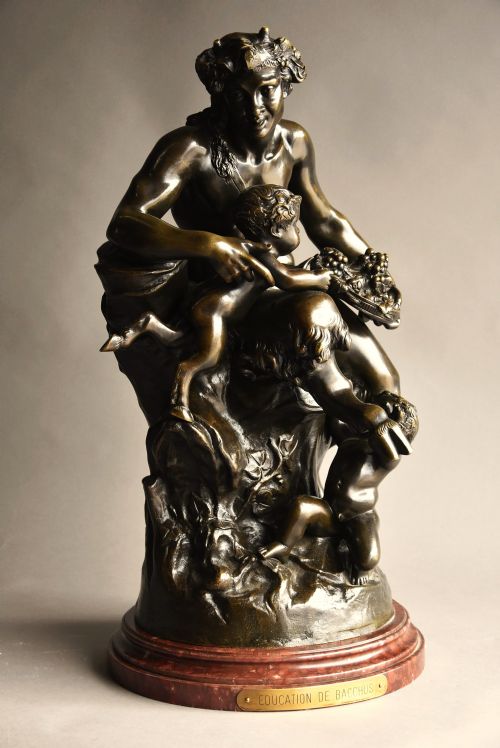
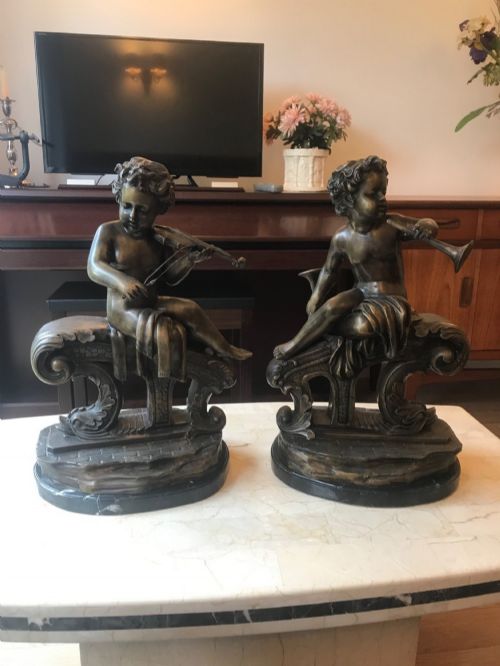
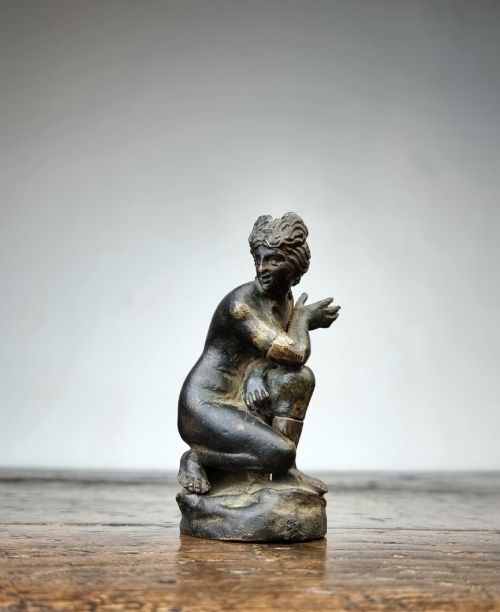
The pieces on this page draw upon diverse periods, spanning seventeenth-century casts, Victorian interpretations and later twentieth-century productions. Forms include standing pipers, seated putti, pacing bulls, crouching venuses and architectural doorstops cast in heavy metals.
French workshops and English makers alike contributed to this tradition, utilising models after antique sculptors and Renaissance masters. Subjects often reflect neoclassical taste, incorporating motifs of satyrs, dancers, athletes and lions rendered in miniature scale.
Judging the execution of the cast
The depth and nuance of the patination distinguish finer works from simpler production pieces. A well-applied patina gives the metal a convincing aged surface, whereas lesser casts exhibit flat or uneven colouring across the sculpture.
Classical Metal Figurine Retail Price Guide 2026
Typical asking prices for classical metal figurine among the pieces listed under this phrase on Sellingantiques today, from the lower quarter to the upper quarter. They describe what is for sale here now, not the wider market.
Common motifs include mythological figures such as Bacchus, Venus, and satyrs, alongside domestic animals and musical cherubs.
Pierre-Augustin Caron de Beaumarchais·Claude Michel Clodian·Justo de Gandarias·Claire Colinet·Giambologna·Jean Jacques Pradier·J C De Blezer
The Classical Metal Figurine Glossary
- Grand Tour
- A traditional trip through Europe undertaken by upper-class young men in the eighteenth and nineteenth centuries. Travellers collected small bronzes of classical statues as souvenirs of their journey.
- Patina
- The surface coloration and sheen that develops on metal through age or chemical treatment. This layer protects the bronze and contributes significantly to the visual character of the figure.
- Spelter
- An alloy of zinc and lead or copper, frequently used as a cheaper alternative to bronze in the late nineteenth and early twentieth centuries. It takes metallic finishes well but possesses a lighter weight.
- Putto
- A plump, often winged male child figure common in classical and Renaissance art. These motifs frequently appear as musicians or attendants in statuettes.
- Chasing
- The manual finishing of a metal casting using small punches and chisels to refine details and remove surface blemishes. Skilled chasing elevates the sharpness of the final sculpture.
Classical Metal Figurine: Frequently Asked Questions
How do I identify a Grand Tour bronze?
Grand Tour bronzes typically represent famous classical sculptures seen by travellers in Italian galleries and excavations during the nineteenth century. They often exhibit dark patination and meticulous attention to anatomical detail.
Many of these miniature copies were mounted on marble or stone bases to give them stability and presence as desk ornaments.
What is the difference between bronze and spelter?
Bronze is a durable alloy of copper and tin that takes a rich patina and holds crisp detail through the casting process. Spelter is a softer, zinc-based metal used as an economical substitute in later decorative figures.
Spelter figures are noticeably lighter than bronze and often require careful handling to avoid bending or scratching the softer metal surface.
How should I clean my metal figurine?
Dust the figurine gently with a soft, dry brush to prevent accumulation in the crevices of the cast. Avoid using chemical polishes, water, or abrasive cloths, as these can strip away the historic patina.
Maintaining the original surface coloration preserves both the aesthetic integrity and the historical value of the sculpture.