




Classical Marble Art
Classical marble art brings carved stone and cast metal figures into domestic spaces, ranging from nineteenth-century portraits to twentieth-century lamps.
Classical Marble Art
When you search for classical marble art, you encounter a selection of sculptures, busts, table lamps, and relief plaques spanning the nineteenth and early twentieth centuries. These objects reflect various stylistic movements, including Victorian, Neoclassical, Art Nouveau, and Art Deco, often combining stone with other media.
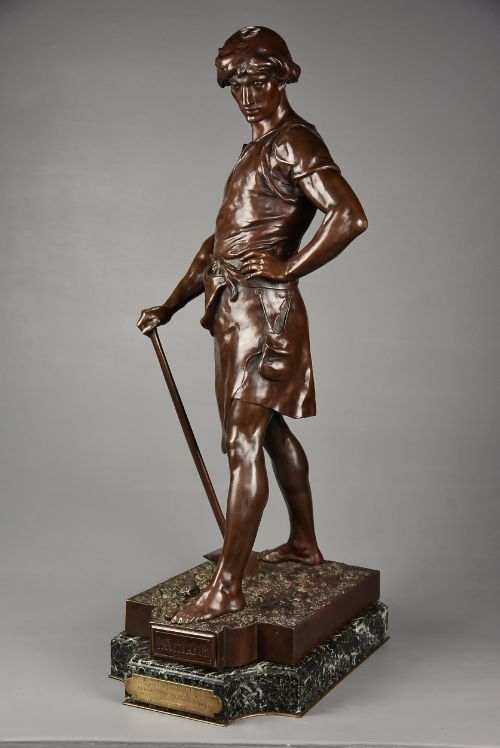
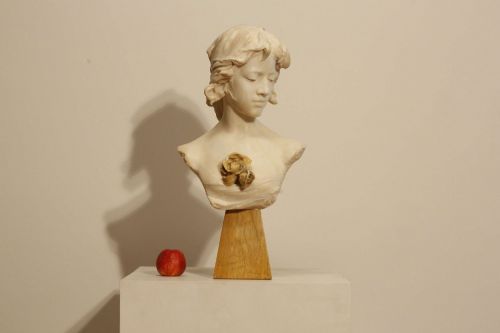
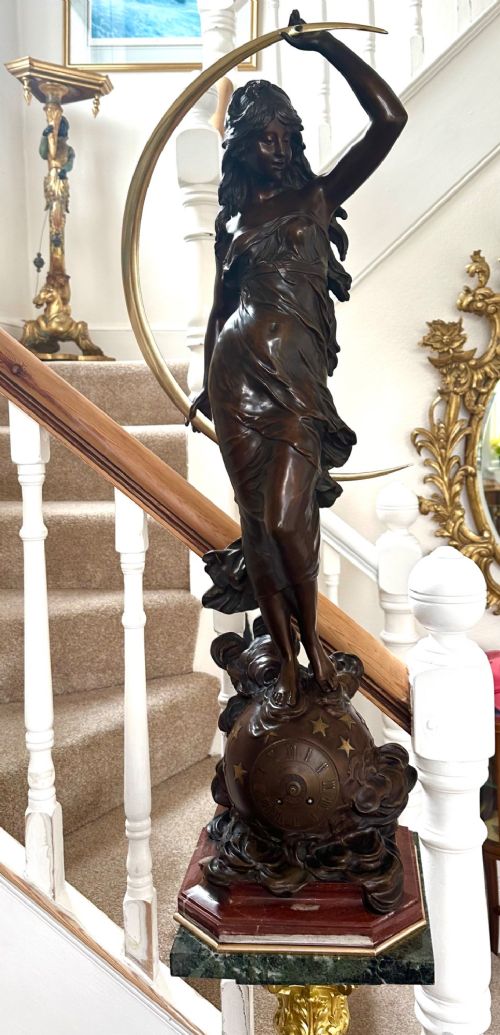
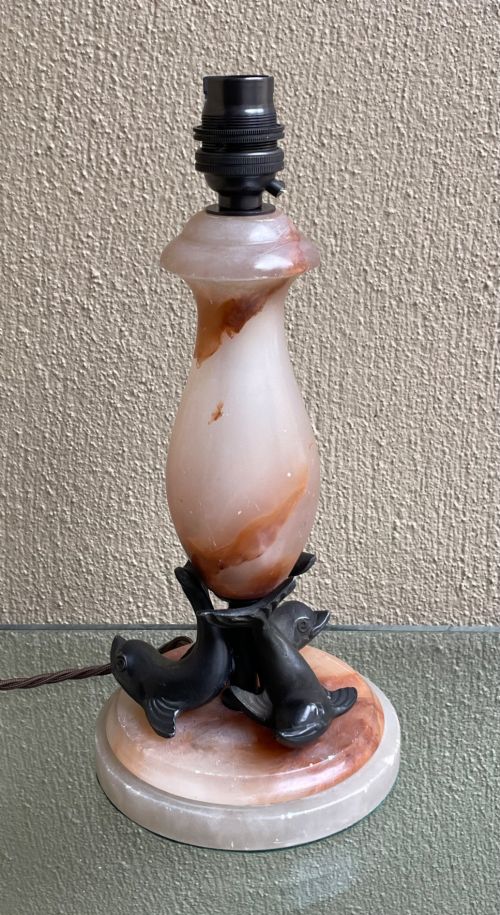
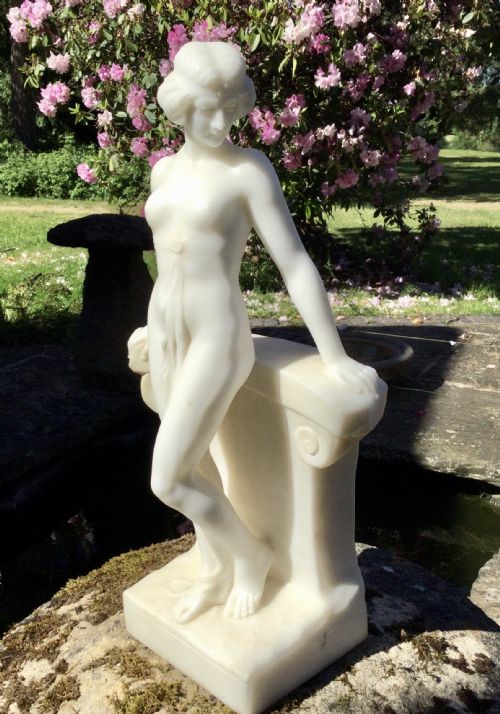
The most common forms on this page include carved alabaster female figures, marble busts of historical or mythological subjects, and patinated or silvered bronze statues mounted on heavy stone bases. Many pieces draw directly on classical motifs, while others incorporate later decorative philosophies such as the clean lines of the Art Deco period.
Materials and techniques
Sculptors and artisans worked with natural stones like white marble, alabaster, and onyx, often pairing them with cast metals such as bronze, silvered bronze, and brass. Surfaces were laboriously carved, polished, or patinated to create contrast between the soft translucency of the mineral and the metallic elements.
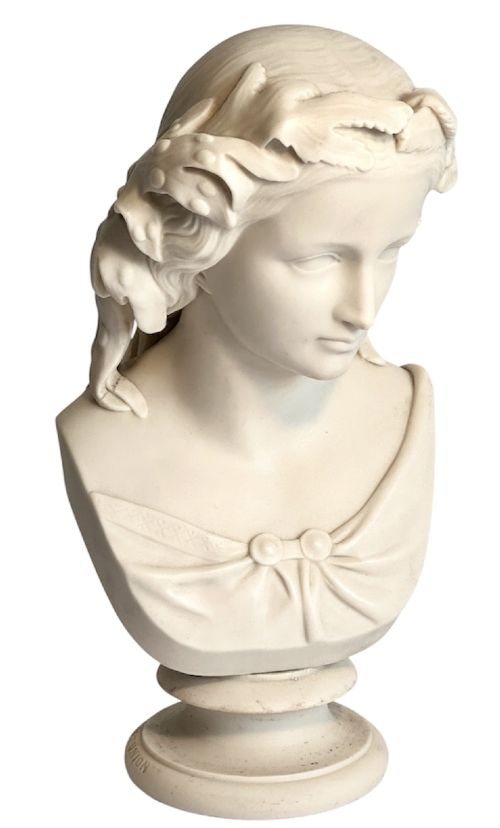
Alternative methods appear in moulded compositions like marble dust reliefs and parian ware, offering tactile surfaces that mimic carved stone. Bases and structural elements frequently integrate ormolu mounts, fabric shades, or faux marble finishes to support the primary figural work.
Classical Marble Art Retail Price Guide 2026
Typical asking prices for classical marble art among the pieces listed under this phrase on Sellingantiques today, from the lower quarter to the upper quarter. They describe what is for sale here now, not the wider market.
Listings feature works spanning the nineteenth century through the 1930s, encompassing Victorian, Art Nouveau, and Art Deco styles.
What separates the tiers
Material selection and base construction also define the grade of an object. Dense, translucent alabaster and genuine multi-coloured onyx or heavy marble plinths elevate a piece above standard decorative wares, particularly when signed by a known sculptor.
Maurice Giraud-Rivière·August Moreau·Emile Carlier·Aurore Onu Cymbal Dance·Georges-Charles Coudray·Fritz Kochendorfer·Ernst Barrias·Gugielmo Pugi·Eugène Désiré Piron·Carl Kauba·Claire Colinet·Emmanuel Villanis·Antonio Merente
The Classical Marble Art Glossary
- Alabaster
- A fine-grained, translucent stone frequently carved into soft-hued sculptural figures and lamps. Its inherent softness allows artisans to achieve delicate folds in drapery.
- Parian ware
- A fine-grained type of unglazed biscuit porcelain developed in the nineteenth century to imitate carved white marble. It was widely used for portrait busts and classical statuettes.
- Ormolu
- Gilded bronze or brass applied as decorative mounts and accents on lamps, pedestals, and sculpture bases. The technique adds metallic warmth to stone compositions.
- Relief sculpture
- A sculptural technique where figures project from a flat background plane. Examples range from shallow wall plaques to detailed marble panels.
- Patinated bronze
- Metal sculpture treated with chemical solutions to produce a specific surface colour or aged finish. This process protects the bronze while enhancing visual depth.
Classical Marble Art: Frequently Asked Questions
How do I clean marble?
Dust surfaces regularly with a soft, dry cloth to prevent grime accumulation.
Avoid commercial chemical cleaners or excess water, which can damage unsealed stone or dissolve delicate patination.
What is alabaster?
Alabaster is a softer stone known for its translucent quality, which allows light to pass slightly beneath the surface.
It was a favourite material for turn-of-the-century sculptors creating luminous lamps and reclining figures.
Are these pieces signed?
Many sculptures and busts carry the signature or foundry mark of the artist stamped or incised into the base.
Signatures help attribute works to notable figures from the Victorian and Art Deco periods.
Where should I place a lamp?
Onyx and alabaster table lamps function well on sturdy sideboards, desks, or low occasional tables.
Keep them away from direct sunlight and heat sources to protect the wiring and stone composition.