




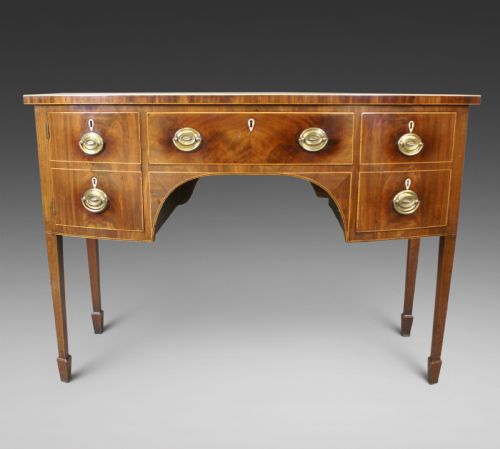


Classical Mahogany Drawers
These classical mahogany drawers bring together rich timber and clean proportions, offering practical storage with distinct architectural presence.
Classical Mahogany Drawers
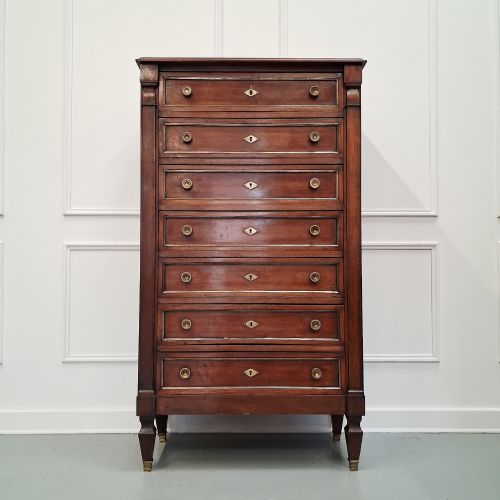
When you search for classical mahogany drawers, you are looking at pieces that span the Georgian, Regency, William IV, and nineteenth-century periods, alongside continental and American examples. The forms range from standard chests of drawers and bow-fronted designs to secretaire cabinets, sideboards, and semainiers.
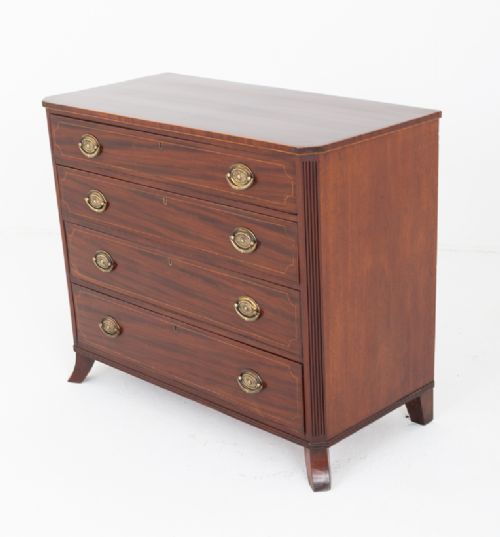
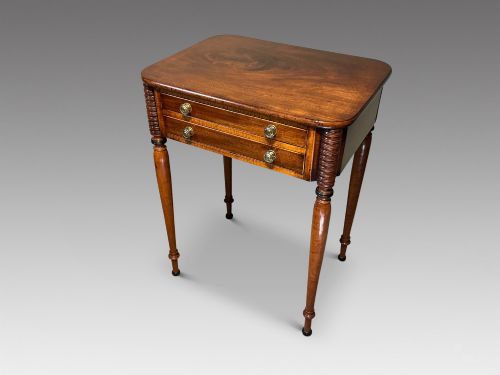
The version you are most likely to meet on this page is a mahogany chest of drawers, often featuring brass hardware and occasional veneer work. Alongside these standard storage pieces, the selection includes occasional tables, writing desks, and bureau bookcases rooted in classical design traditions.
How they were made
Cabinet makers utilised solid mahogany and flame mahogany veneers over secondary timbers such as oak, applying figured grains to drawer fronts for visual depth. Structural stability was achieved through traditional joinery, with secondary woods used for drawer linings and internal framing.
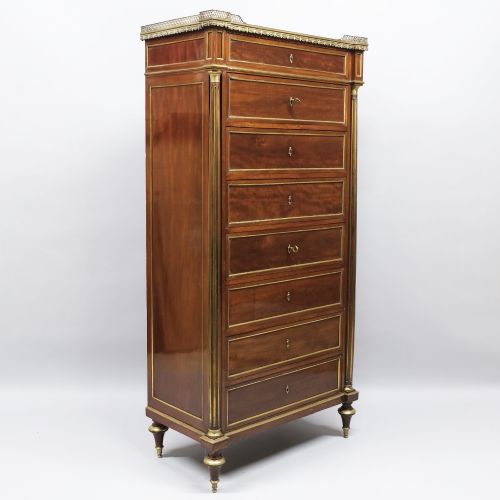
Surface ornamentation involved contrasting inlays like maple and satinwood, paired with cast brass handles, ormolu mounts, and occasionally grey marble tops. These decorative elements were integrated into the primary mahogany structure to echo French Empire, Louis XVI, and Regency styles.
Classical Mahogany Drawers Retail Price Guide 2026
Typical asking prices for classical mahogany drawers among the pieces listed under this phrase on Sellingantiques today, from the lower quarter to the upper quarter. They describe what is for sale here now, not the wider market.
Listings feature nineteenth-century, Regency, and Georgian periods alongside materials like brass, ormolu, grey marble, and flame mahogany veneer.
What varies in quality
Quality rests in the selection of the timber and the precision of the cabinet work, particularly in how veneers are matched across drawer fronts. Superior pieces display thoughtful grain alignment and crisp execution of classical mouldings rather than simple surface decoration.
The refinement of the mounts and hardware also distinguishes the work, with finely chased ormolu and substantial brass fittings elevating the piece. Construction integrity in the drawers and carcass separates standard workshop production from finer cabinet-maker output.
Jean-Henri Riesener
The Classical Mahogany Drawers Glossary
- Mahogany
- A durable tropical hardwood valued for its rich reddish-brown colour and stability in cabinet making. It takes a high polish and serves as the primary surface timber for these pieces.
- Ormolu
- Gilded bronze used for decorative mounts and fittings on classical furniture. It adds metallic contrast to the dark mahogany surfaces.
- Semainier
- A tall, slender chest traditionally featuring seven drawers, one for each day of the week. This form appears frequently in French classical furniture.
- Veneer
- A thin layer of figured wood, such as flame mahogany, applied over a stable secondary timber. This technique creates decorative patterns across large surfaces.
- Secretaire
- A cabinet or chest incorporating a fitted writing drawer or drop-front desk. It combines storage with a dedicated writing surface.
Classical Mahogany Drawers: Frequently Asked Questions
What periods do these pieces cover?
The selection spans from the Georgian and Regency eras through the nineteenth century, including William IV and later continental interpretations. Each period brings distinct proportions and decorative vocabulary to the furniture.
Buyers will find that earlier pieces often emphasise architectural lines, while later nineteenth-century examples incorporate varied veneers and continental influences.
Where were these pieces made?
Originating from British, American, and continental workshops, these items reflect the widespread adoption of classical design principles. French makers contributed forms like the semainier and commodes with marble tops.
English and American makers focused heavily on bow-front chests, sideboards, and bureau bookcases using native and imported woods.
How should I care for mahogany surfaces?
Mahogany furniture benefits from consistent indoor humidity and protection from direct sunlight, which can fade the rich red tones over time. Regular dusting with a soft, dry cloth preserves the polished finish.
Occasional application of appropriate wax maintains the timber's moisture without building up heavy residues.