



Classical Italian Decor
Classical Italian decor brings centuries of Mediterranean artistry into a room through bronze, marble and oil paint.
Classical Italian Decor
Classical Italian decor encompasses objects and artwork drawing directly from Renaissance, Baroque and Neoclassical traditions. When searching for classical italian decor, buyers encounter items ranging from oil paintings and theatrical props to marble obelisks and bronze display urns.
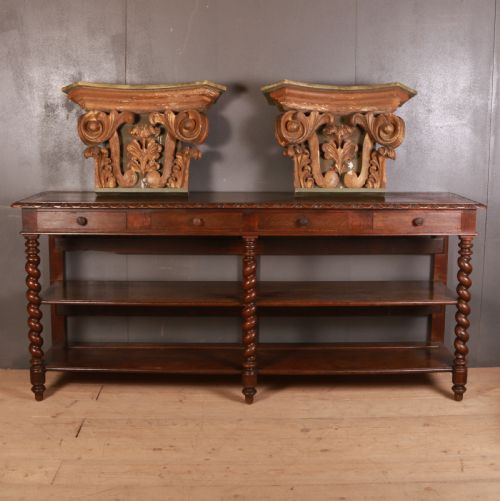
The selections span several centuries, reaching from eighteenth-century tazzas and carved capitals to nineteenth-century Grand Tour bronzes and mid-twentieth-century embellished oileographs. These pieces bring architectural forms and academic painting styles into domestic interiors.
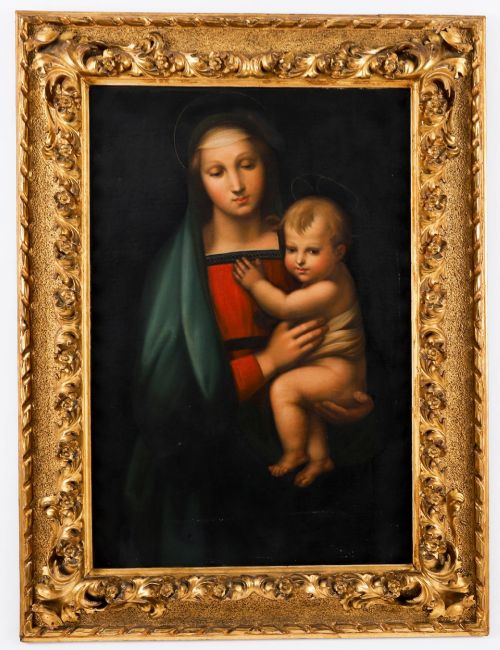
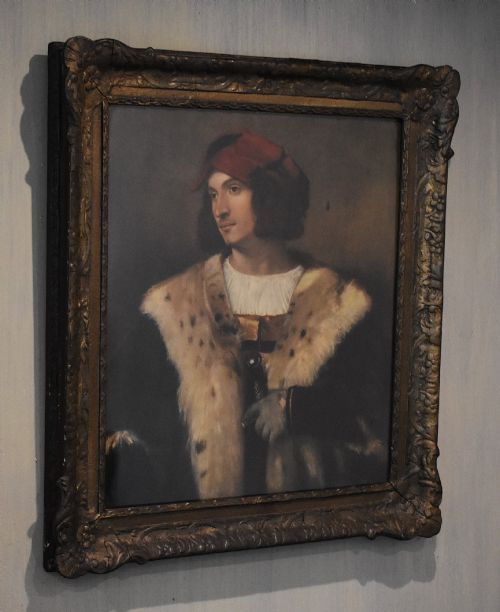
Forms include decorative urns, pedestal bowls and framed wall art after masters like Raphael and Titian. Each object reflects Italian craftsmanship through distinct historical revivals and Grand Tour aesthetics.
Materials and methods
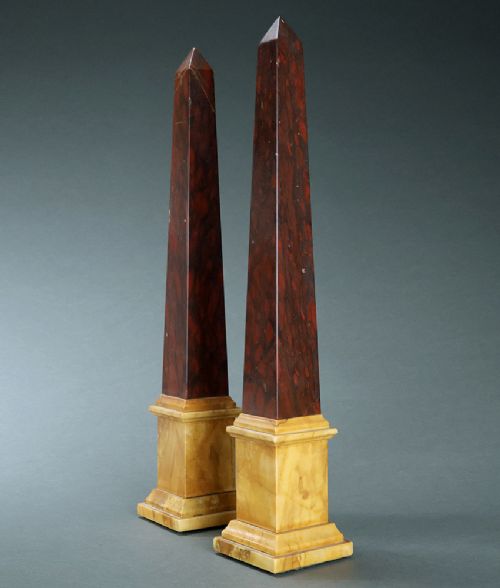
Items in this category rely heavily on traditional materials such as carved marble, cast bronze and gilded wood finished with gesso. Marble pieces utilise stones like rosso antique, shaped into tazzas, obelisks and pedestals through classical stone-cutting techniques.
Bronzes are cast to capture intricate classical motifs, often serving as decorative vases, ewers or miniature Warwick vases. Canvases and papers utilise oil paint and print methods to reproduce Renaissance portraits and academic scenes, sometimes enhanced with gold leaf.
Classical Italian Decor Retail Price Guide 2026
Typical asking prices for classical italian decor among the pieces listed under this phrase on Sellingantiques today, from the lower quarter to the upper quarter. They describe what is for sale here now, not the wider market.
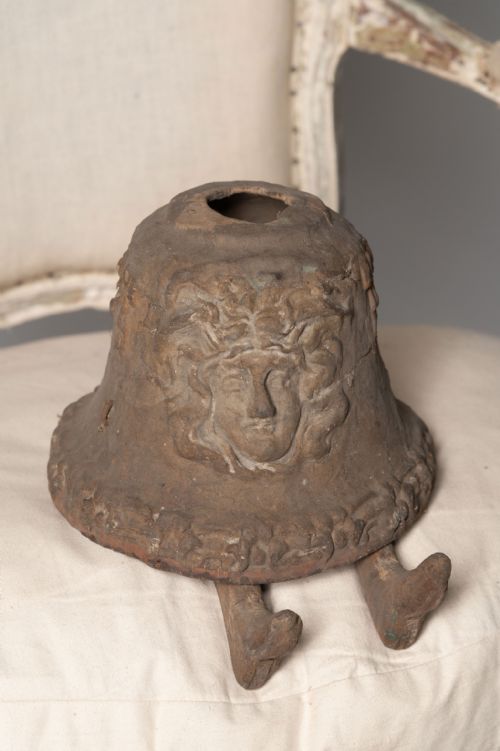
Object forms in this selection range from theatrical props and oil paintings to architectural capitals and decorative display urns.
Judging quality
Quality in these decorative objects rests on the crispness of the casting in bronze elements and the depth of carving in marble pieces. Finer works display precise anatomical details in painted portraits and sharp architectural moulding on capitals and urns.
Age and material authenticity separate standard decorative items from superior period examples. The handling of the medium, whether the smooth finish of cast metal or the nuanced brushwork of an oil painting, dictates the standing of the piece.
The Classical Italian Decor Glossary
- Grand Tour
- A cultural trip of Europe undertaken by wealthy young men in the eighteenth and nineteenth centuries, resulting in the collection of antiquities and classical souvenirs. These objects often included miniature bronzes and marble architectural models.
- Tazza
- A shallow saucer-like dish mounted on a stem and foot, traditionally used for display or serving. Antique examples appear in carved marble and metals.
- Gesso
- A plaster mixture used as a base for moulding or gilding on wood surfaces. It provides a smooth ground for gold leaf application.
- Oileograph
- A mechanical print on canvas made to imitate an oil painting, often finished with varnish or embellishments. Mid-century examples frequently reproduce academic portraits.
Classical Italian Decor: Frequently Asked Questions
What is a Grand Tour object?
Grand Tour objects are souvenirs collected by travellers visiting cultural sites in Italy during the eighteenth and nineteenth centuries. They typically include miniature bronzes, marble vases and architectural fragments.
These pieces allowed collectors to bring classical antiquity and Renaissance art back to their home residences.
How should I display marble obelisks?
Marble obelisks work well placed on mantelpieces, bookshelves or heavy wooden desks where their vertical lines can stand out. Pairing them symmetrically creates a formal focal point.
Ensure they rest on stable, level surfaces capable of supporting solid stone decorative objects.
What defines High Renaissance style?
High Renaissance style focuses on harmony, balanced composition and classical proportion, following the ideals of sixteenth-century masters. Works in this tradition emphasise anatomical accuracy and serene expressions.
In decor and painting, this translates to balanced forms and reverence for antique sculpture.