







Classical Interior Painting
A classical interior painting brings domestic narrative and architectural depth into a room, offering a glimpse into carefully staged historical spaces.
Classical Interior Painting
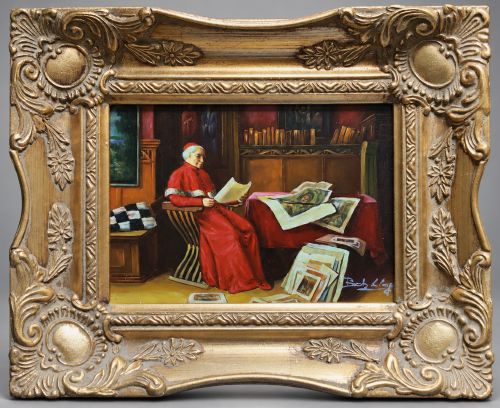
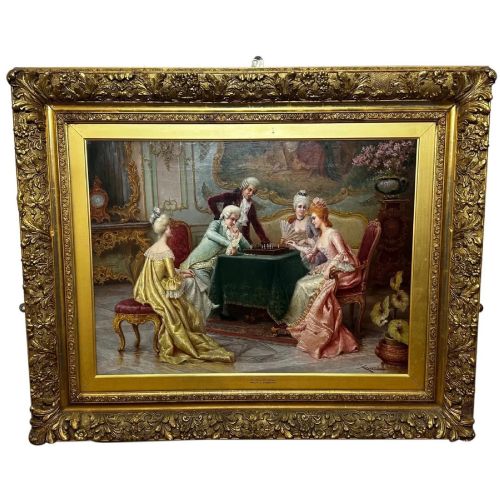
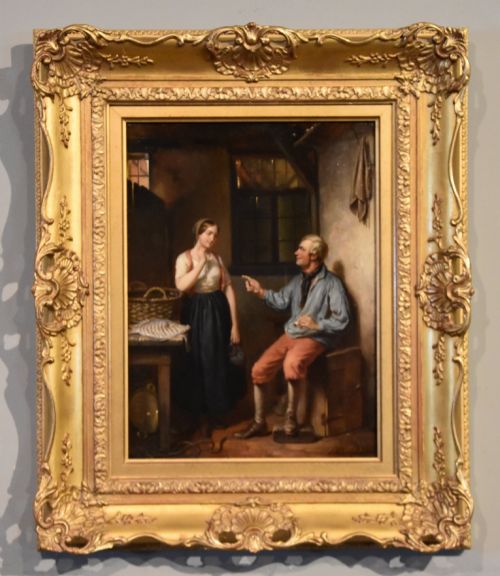
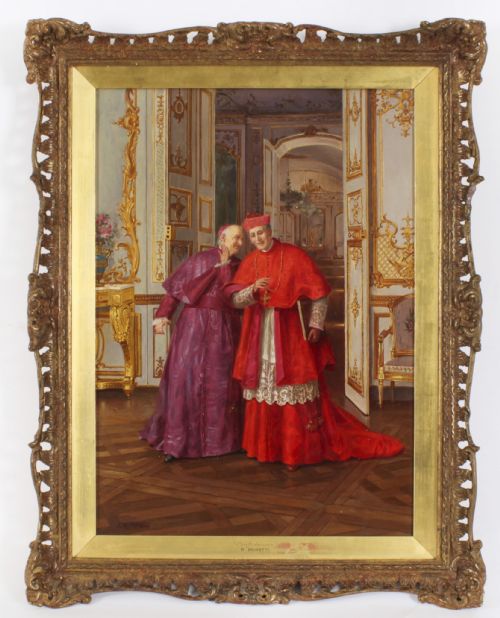
When you search for classical interior painting, you find works that capture domestic scenes, musicians, and gatherings within structured architectural settings. The pieces span from the eighteenth century to the mid twentieth century, encompassing various European schools and regional traditions.
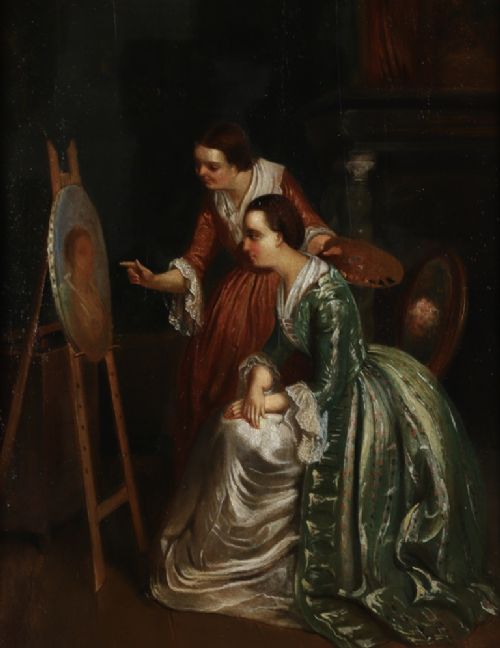
Oil on canvas and oil on panel dominate the selection, complemented by watercolours on paper. Many works depict figures engaged in daily pursuits, card games, or musical performances inside stately homes and salons.
The assortment includes academic realism, genre scenes, and portraits set against elaborate decorative wall panels or palatial backdrops. French and Italian influences appear frequently alongside British and Scottish examples.
Materials and technique
Artists built these compositions using oil paint applied to canvas, wood panels, or paper supports. Pigments were layered to create depth in drapery, polished wood furniture, and marble architectural details.
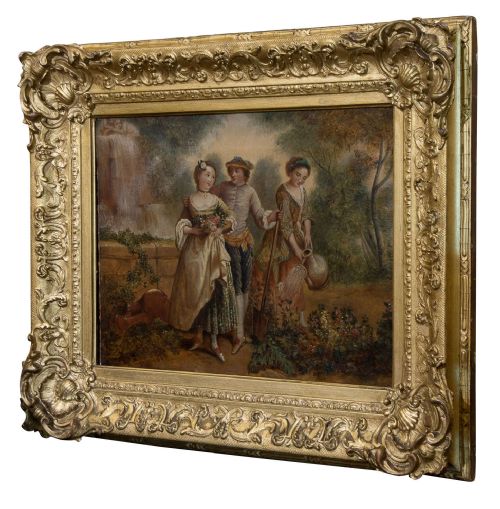
Giltwood and gilt wood frames frequently accompany the canvases, adding a reflective border that complements the interior lighting depicted within the scene. Watercolour paintings utilise washes on paper to achieve lighter, more transparent interior atmospheres.
Classical Interior Painting Retail Price Guide 2026
Typical asking prices for classical interior painting among the pieces listed under this phrase on Sellingantiques today, from the lower quarter to the upper quarter. They describe what is for sale here now, not the wider market.
Musicians feature prominently, caught mid-tune during violin duets, piano recitals, and trumpet performances inside stately homes.
What varies in quality
Quality rests in the precision of figurative rendering and the handling of perspective within complex architectural spaces. Works by recognised academic painters display greater anatomical accuracy and intricate detail in costume and furnishings.
The depth of narrative engagement distinguishes finer compositions from standard decorative works. Superior paintings manage light and shadow effectively to articulate the texture of silk, panelled walls, and gilded surfaces.
Carlo Ferranti·Ernst Stierhof·Renato Moretti·Jacob Akkersdijk·John Watkins Chapman·Hermann Armin Kern·Joaquín Luque y Roselló·Robert Alexander Hillingford·Francesco Renaldi·Jan Steen·Pierre-Louis Bouchard
The Classical Interior Painting Glossary
- Genre painting
- A style of art depicting scenes from everyday life, typically involving ordinary people in domestic or public interiors.
- Academic realism
- A style influenced by European academies that prioritises precise drawing, smooth finishes, and adherence to classical traditions.
- Oil on canvas
- A painting technique using pigments suspended in drying oils, applied to a stretched fabric support.
- Giltwood
- Wood that has been coated with a thin layer of gold leaf or powder, commonly found on period picture frames.
- Watercolour
- A painting method where water-soluble pigments are applied to paper to create translucent colour washes.
Classical Interior Painting: Frequently Asked Questions
What periods do these paintings cover?
The selection spans from the eighteenth century through the nineteenth century and into the mid twentieth century. Artists worked within traditional academic and genre styles popular during those eras.
Earlier pieces often reflect seventeenth or eighteenth-century compositional traditions, while later works adopt nineteenth-century academic realism.
How were these interior scenes composed?
Painters arranged figures within domestic rooms, stately homes, or imagined architectural settings. They used furniture, musical instruments, and wall panels to anchor the narrative.
Light sources were carefully placed to draw attention to the main subjects, such as musicians or courtiers taking tea.
How do I care for an oil painting?
Keep the canvas away from direct sunlight and sources of extreme heat or humidity. Dust the surface gently with a soft, dry brush without applying pressure.
Avoid using water or chemical cleaners on the paint surface or the gilt frame.