




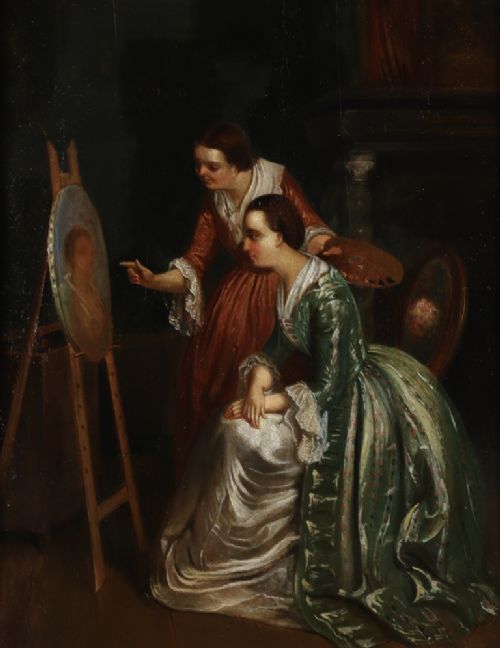


Classical Interior Oil Painting
A classical interior oil painting brings domestic scenes and historical rooms into focus with rich pigment and studied perspective.
Classical Interior Oil Painting
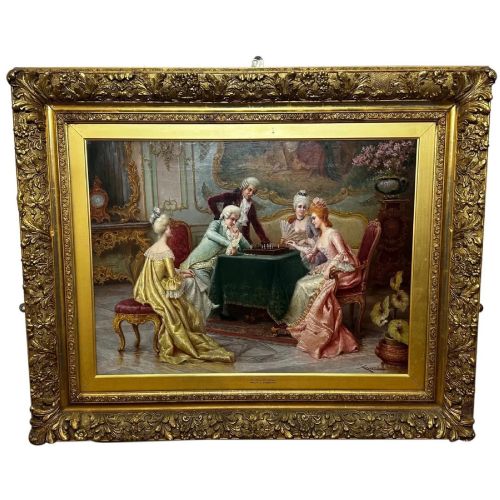
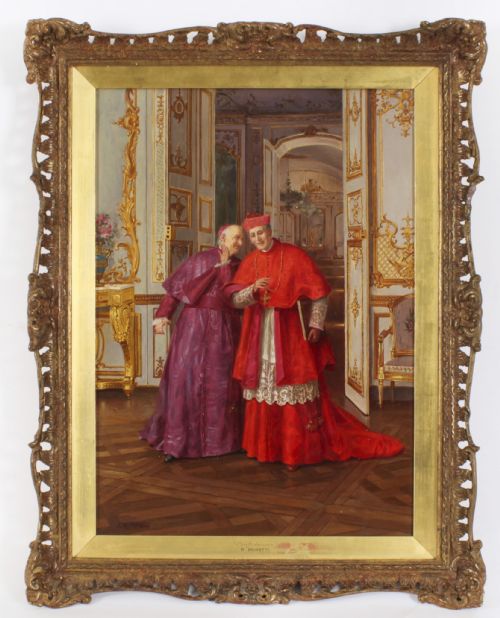
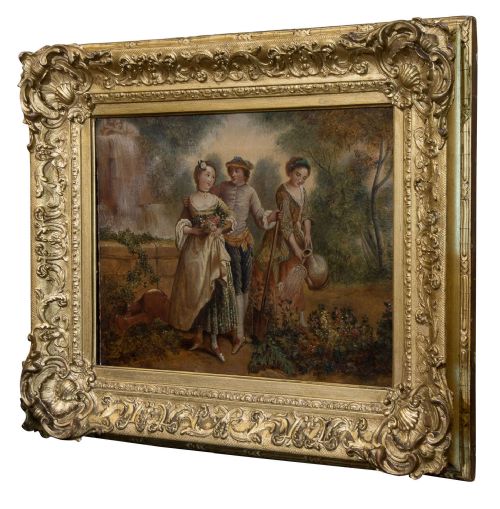
A classical interior oil painting captures domestic spaces, aristocratic rooms, and genre scenes, frequently drawing upon historical settings like Versailles or Dutch households. When you examine a classical interior oil painting on this page, you encounter works spanning the eighteenth, nineteenth, and early twentieth centuries.
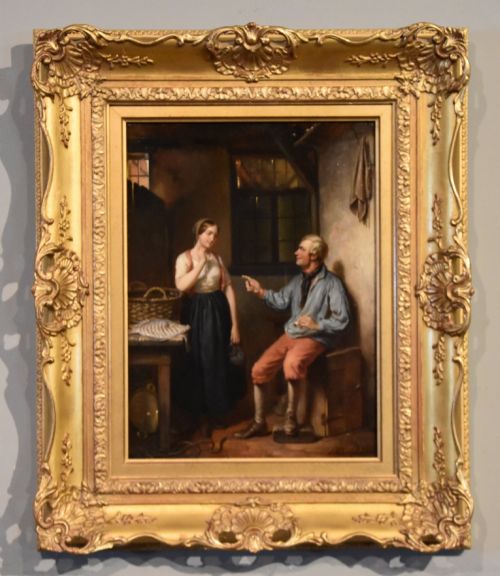
The subjects range from musicians performing in stately homes to courtiers taking afternoon tea and artists in their studios. These canvases reflect diverse traditions including Academic Realism, French Rococo Revival, and Dutch genre painting.
Many pieces present figures engaged in quiet contemplation or social interaction within elaborate architectural surroundings. The execution varies from intimate panel paintings to large-scale gallery canvases.
Assessing quality and execution
Quality rests in the precision of perspective, the handling of light across architectural surfaces, and the expressive detail given to human figures. Masterful brushwork distinguishes works by named academic artists from standard school pieces.
The complexity of the interior composition, the fidelity of historical costume, and the preservation of the original pigment layer determine the standing of each painting. Elaborate framing in period giltwood also contributes to the overall integrity of the piece.
Several canvases manage to capture courtiers pausing mid-melody and musicians caught in quiet concentration.
Renato Moretti·Jacob Akkersdijk·John Watkins Chapman·Hermann Armin Kern·Joaquín Luque y Roselló·Robert Alexander Hillingford·Francesco Renaldi·Jan Steen·Pierre-Louis Bouchard
The Classical Interior Oil Painting Glossary
- Genre painting
- A style depicting scenes from everyday life, often featuring ordinary people in domestic interiors. These works focus on narrative moments rather than formal portraiture.
- Academic Realism
- A style of painting produced under the influence of European academies of art, characterised by accurate rendering of form, smooth finishes, and historical subjects. It represents rigorous technical training.
- Giltwood
- Wood that has been treated with a thin layer of gold leaf or gold paint, commonly used for ornate nineteenth-century picture frames. This finish enhances the visual weight of the artwork.
- Gesso
- A paint mixture consisting of a binder mixed with chalk, gypsum, or pigment, used as a prepared surface for painting on wood panels. It creates a smooth, stable ground for oil application.
- Panel painting
- A painting executed on a flat panel of wood rather than canvas. This rigid support was favoured in earlier traditions and certain later imitations.
Classical Interior Oil Painting: Frequently Asked Questions
What periods do these paintings cover?
The selection spans from the eighteenth century through the nineteenth century and into the early twentieth century. You will find works reflecting academic realism and revivalist movements.
Each period brings distinct stylistic approaches to interior perspective and human figures.
How should I care for an oil painting?
Keep the canvas away from direct sunlight and sudden shifts in temperature or humidity. Avoid touching the painted surface directly to protect the pigment and varnish layers.
Dust the frame gently with a soft, dry brush without applying pressure to the canvas.
Are these paintings signed by the artists?
Some works bear the signatures of known academic painters, while others remain unsigned or attributed to specific schools and circles. Unsigned pieces are often categorized by period or regional style.
Attributions rely on stylistic comparison and recorded historical themes.
What subjects appear most often?
Common subjects include musicians, courtiers taking tea, artists in studios, and peasants in domestic interiors. These scenes frequently draw on Dutch genre traditions or French historical settings.
The focus remains on human interaction within detailed architectural spaces.