


Classical Floral Still Life
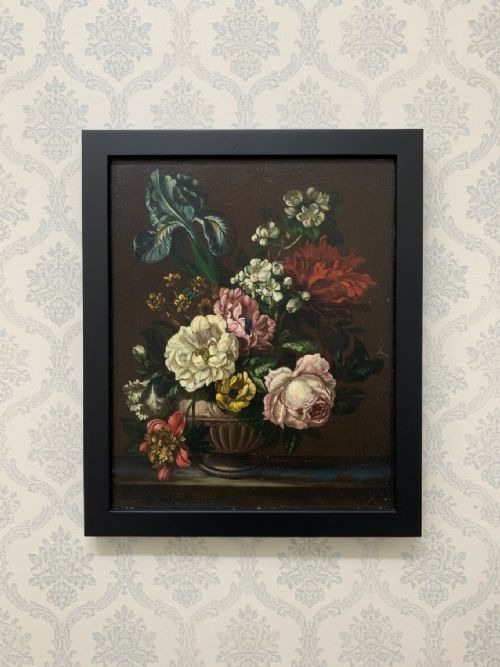
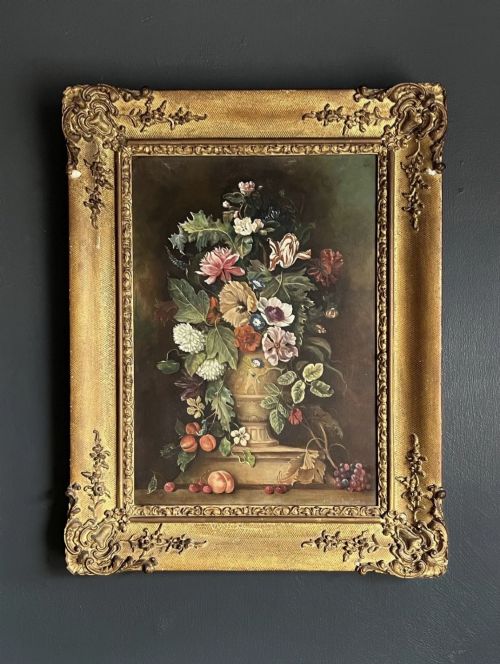
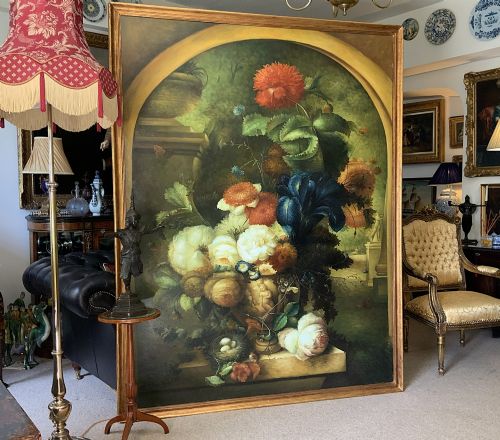
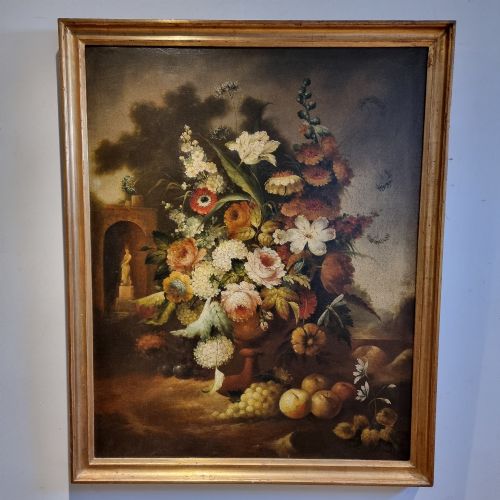
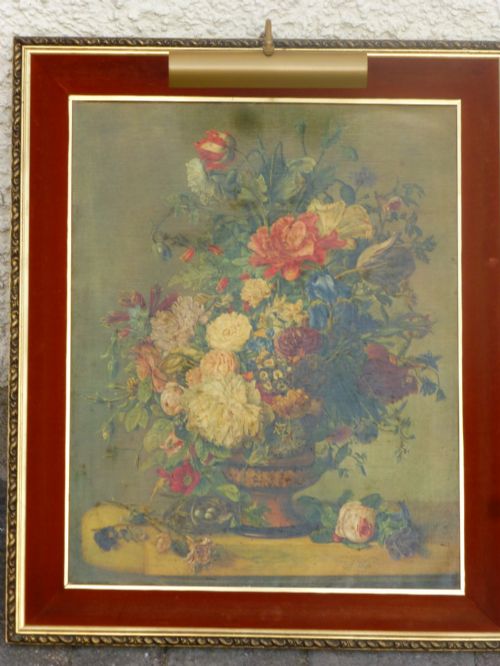
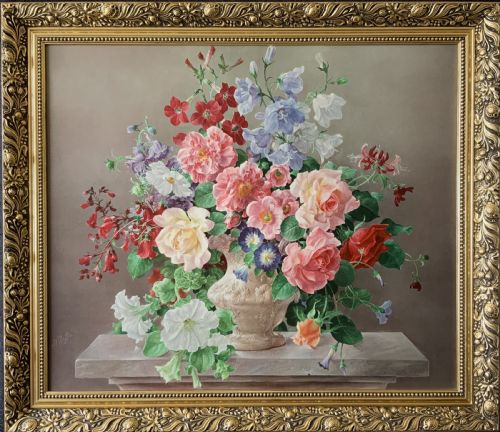
These classical floral still life works bring centuries of botanical richness and painted blooms to your walls.
Classical Floral Still Life
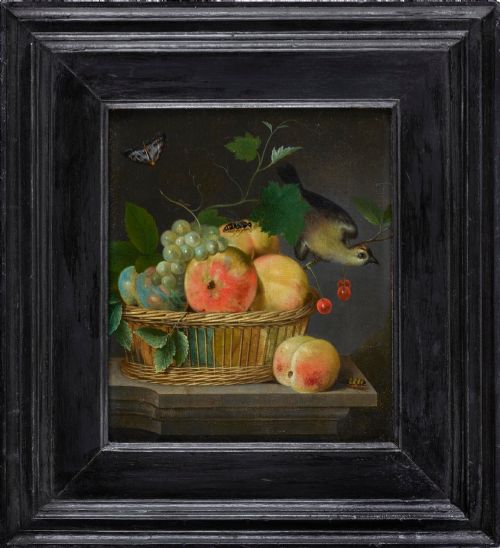
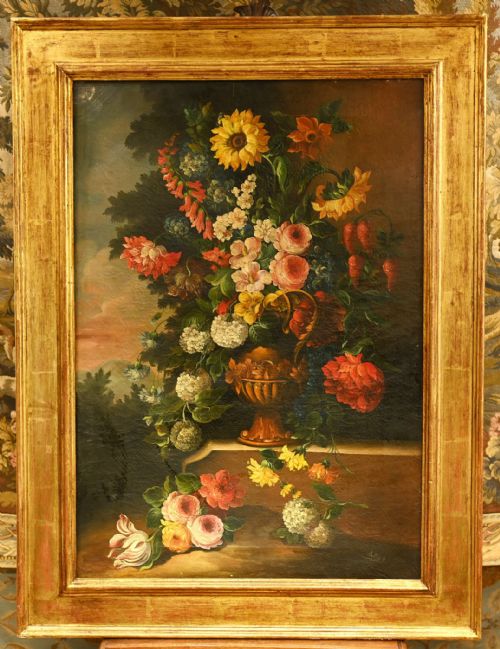
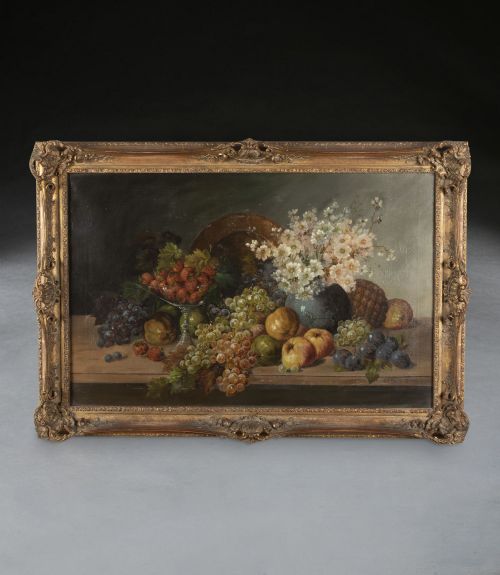
A classical floral still life captures arranged blooms, foliage and sometimes fruit, drawing heavily upon historical European traditions such as the Dutch Golden Age. When exploring these selections, you encounter oil paintings on canvas or panel alongside decorative works on leather and paper, spanning centuries from the seventeenth century through to mid-century revivals.
The compositions vary from intimate panel studies to monumental framed canvases styled after Dutch Baroque and eighteenth-century aesthetics. Painters utilise traditional oil paint techniques to render petals, stems and vessels with careful attention to light and shadow.
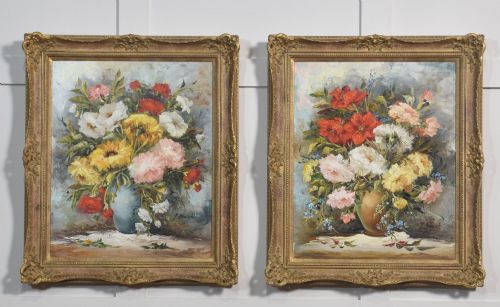
Many pieces reflect historical revivals, blending seventeenth-century Dutch conventions with later nineteenth- and twentieth-century interpretations. You find works signed by individual artists alongside uncredited school pieces and decorative oleographs.
How they were made
Artists built these classical floral still life works using oil paint applied to prepared canvases, wooden panels or occasionally painted leather screens. Pigments were layered to create depth within the petals, leaves and dark backgrounds typical of Baroque compositions.
Frames play a significant structural and aesthetic role, often constructed from wood adorned with gesso and finished in gold leaf or giltwood. These ornate settings complement the painted botanical scenes within.
Listings feature works spanning from the 17th century through the 1960s, executed in oil paint, watercolour and on painted leather screens.
What varies in quality
Quality rests in the precision of the brushwork and the structural integrity of the support, whether canvas, panel or leather. Masterful handling of light gives petals and foliage a convincing three-dimensional presence, whereas lesser examples rely on flat application and formulaic arrangements.
The preservation of the original paint layer and the accompanying gilded gesso frame determines the overall integrity of the piece. Subtle details in botanical rendering and the depth of the dark backgrounds separate standard decorative works from finer artistic expressions.
Gaspar Peeter Verbruggen·Harold Clayton·Manuela Bonati·Bela Balogh·Henry Schouten·Kershaw Schofield
The Classical Floral Still Life Glossary
- Oil on canvas
- Pigments bound in drying oil applied to a woven fabric support stretched across a wooden frame. This method allows for subtle blending and rich textural depth.
- Giltwood
- Wood carved and coated with a thin layer of gold leaf or metallic powder. It provides a reflective, ornate border for traditional paintings.
- Gesso
- A plaster-like mixture applied to wood panels or frames as a base for painting or gilding. It creates a smooth, durable surface for fine detail work.
- Oleograph
- A mechanical colour print textured to imitate an oil painting. These reproductions capture historical compositions on paper or canvas support.
Classical Floral Still Life: Frequently Asked Questions
What periods do these paintings come from?
The selections span multiple eras, including original seventeenth-century works and subsequent eighteenth- and nineteenth-century interpretations. You also discover twentieth-century pieces influenced by earlier Dutch and Flemish traditions.
This chronological spread means you encounter authentic period items alongside later revivals and decorative prints mimicking classical styles.
How do I identify a Dutch Golden Age style?
These works typically feature abundant floral arrangements set against dark, shadowy backgrounds to create strong chiaroscuro contrast. The compositions often include meticulous detail on individual petals, leaves and insects.
Later revivals from the nineteenth and twentieth centuries frequently adopt these exact compositional rules and darker palettes.
Are all items original oil paintings?
While many listings feature original oil paint on canvas, panel or board, the category also includes watercolour works and oleograph prints. Each medium offers a different visual texture and historical context.
Checking the material details in the description clarifies whether you are viewing a hand-painted canvas or a printed study.