





Classical Floral Painting
These pieces of classical floral painting bring together oil on canvas, painted satinwood, and porcelain from across the nineteenth and early twentieth centuries.
Classical Floral Painting
When you search for classical floral painting, you encounter oil on canvas works, porcelain vessels, and painted satinwood furniture from the Victorian period up to the mid-twentieth century.
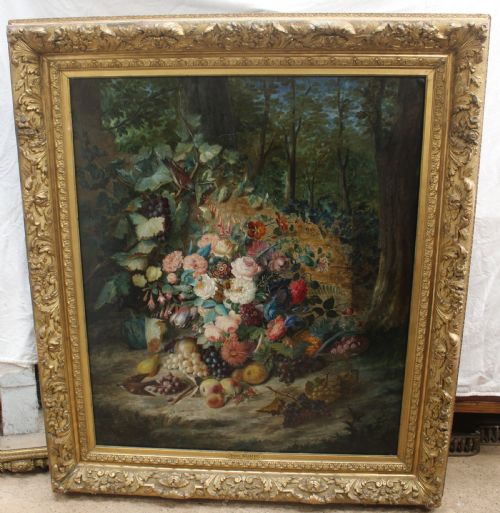
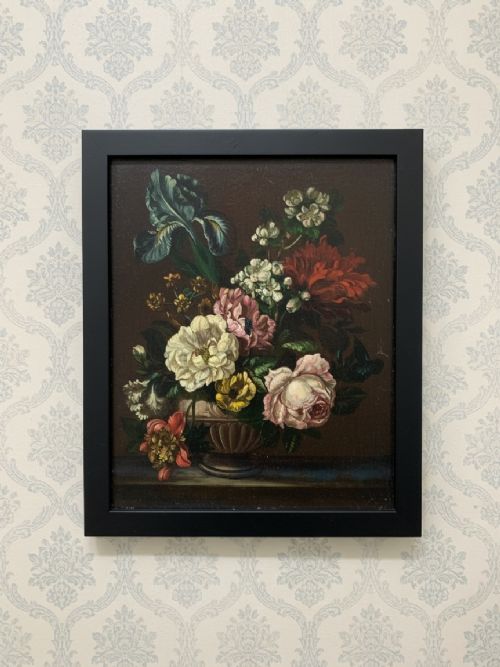
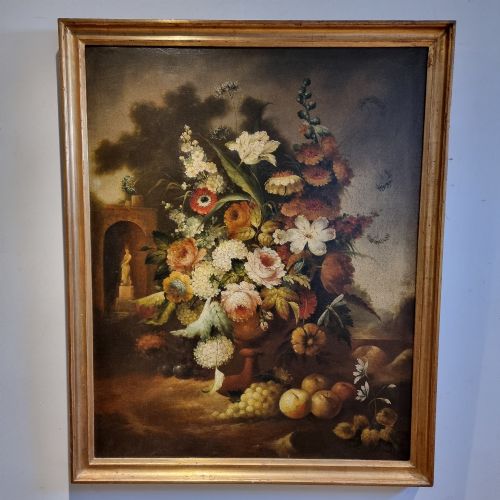
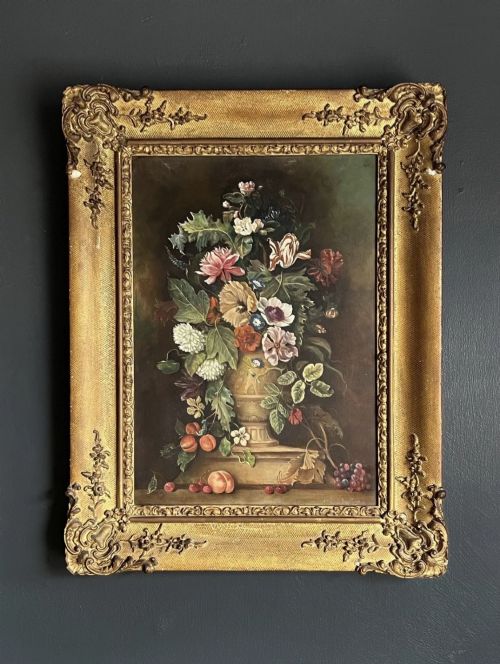
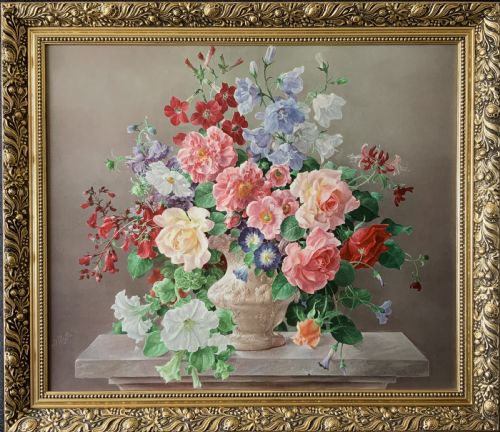
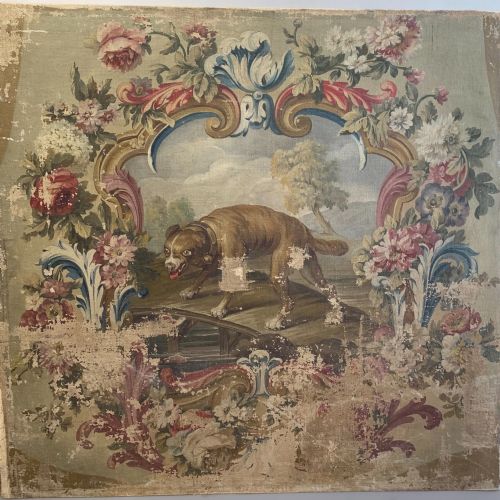
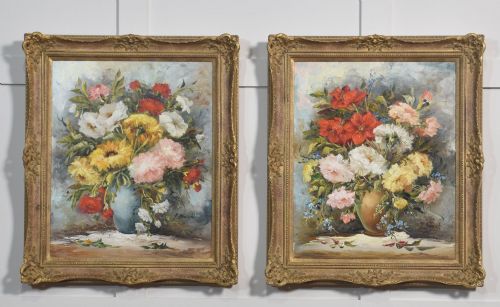
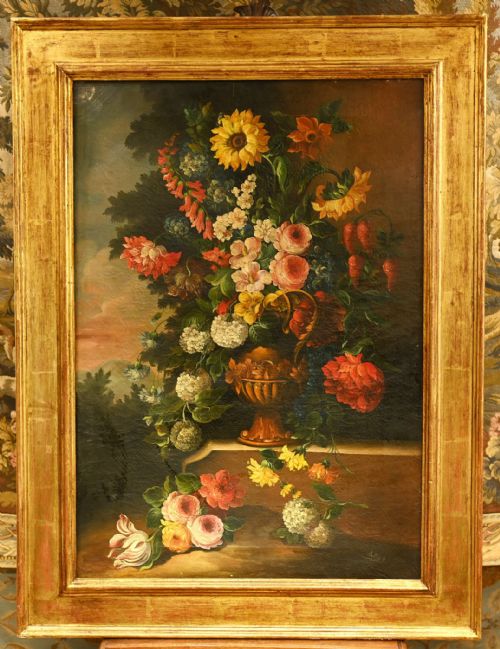
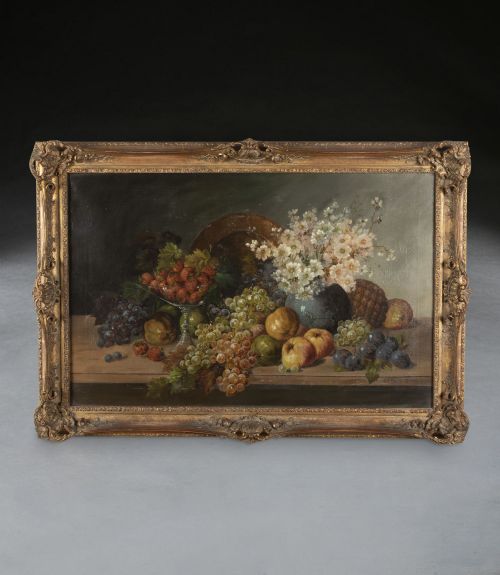
The oil paintings range from large Dutch-style still lifes depicting floral and fruit compositions to intimate studies signed by artists like Manuela Bonati or Henry Schouten.
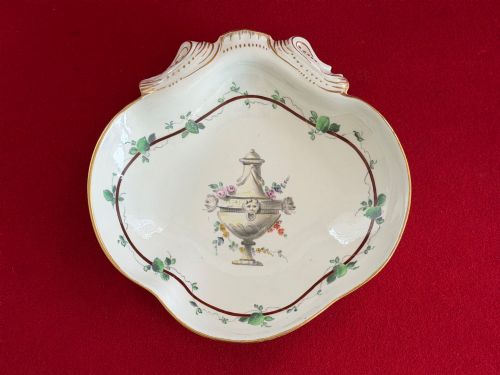
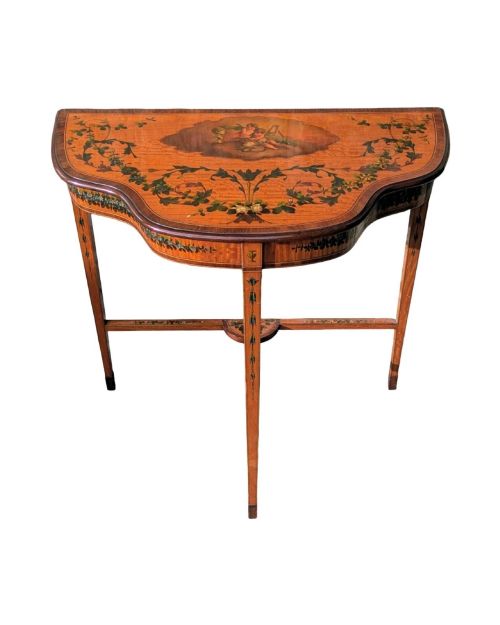
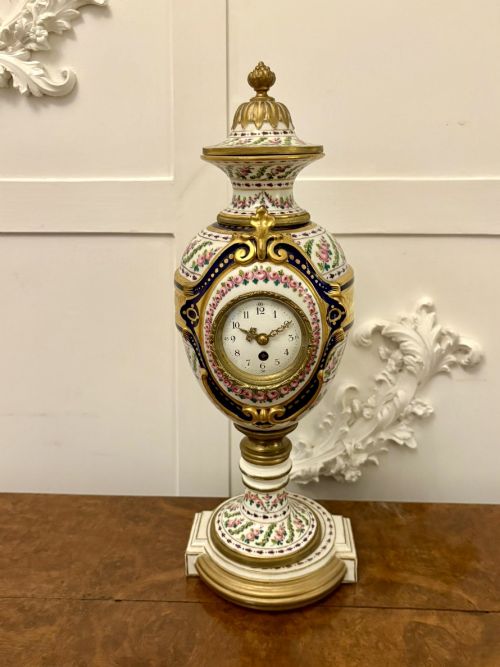
Alongside canvas works, the selection encompasses porcelain dessert dishes, urns, and clocks, plus painted satinwood side tables, cabinets, and settees bearing decorative panels.
How They Were Made
Makers utilised oil paint on canvas, panel, and board to render botanical subjects, often framing the results in gilt gesso moulding.
Porous ceramics such as porcelain from factories like Worcester, Meissen, and Sevres received hand-painted floral motifs before firing.
Cabinet makers applied polychrome paint and decorative panels directly onto satinwood furniture, echoing Georgian and French Rococo Revival tastes.
Classical Floral Painting Retail Price Guide 2026
Typical asking prices for classical floral painting among the pieces listed under this phrase on Sellingantiques today, from the lower quarter to the upper quarter. They describe what is for sale here now, not the wider market.
Several still lifes tuck a small songbird quietly among the banquet fruit.
What Varies in Quality
The success of an oil painting rests on the handling of light within the arrangement, distinguishing a confident floral study from a stiff reproduction.
On porcelain pieces, the crispness and permanence of the hand-painted enamels separate standard decorative wares from high studio output.
With furniture, the integration of painted classical panels into the satinwood structure dictates the visual harmony of the piece.
James Giles·Harold Clayton·Manuela Bonati·Bela Balogh·Henry Schouten·L Wilford
The Classical Floral Painting Glossary
- Satinwood
- A durable timber with a golden sheen, frequently used as a smooth base for painted decoration during the eighteenth and nineteenth centuries. It takes polychrome work particularly well.
- Gilt Gesso
- A plaster-like material applied to wooden frames and carved before being gilded with gold leaf. This technique creates ornate surface relief.
- Demi-Lune
- A half-moon shape common in eighteenth and nineteenth-century side tables and commodes designed to sit flush against a wall.
- Plafonnier
- A ceiling-mounted glass light shade, often decorated with painted motifs. It directs illumination downwards into a room.
- Still life
- An artwork depicting inanimate subject matter, typically featuring natural objects like cut flowers, fruit, and hunting game. These compositions allow artists to explore light and texture.
- Polychrome
- Decorated in multiple colours. This method appears across ceramics, furniture, and canvas paintings.
Classical Floral Painting: Frequently Asked Questions
Where did people display these paintings?
Owners typically hung floral oil paintings in formal reception rooms, dining spaces, and drawing rooms where guests gathered.
They served to bring natural colour indoors throughout the seasons.
How do I date a painted satinwood piece?
Examine the timber construction, dovetailing, and the style of the painted floral panels against known design periods.
Sheraton Revival pieces often emulate eighteenth-century models while retaining nineteenth-century structural methods.
Can I mix porcelain and canvas art?
Displaying painted porcelain alongside oil paintings creates a cohesive interior theme centred on botanical illustration.
Matching the period palette helps unify disparate decorative items.
What subjects appear in these still lifes?
Compositions frequently combine cut flowers in vases with arrangements of fruit, wicker baskets, and occasional birds.
This reflects a long-standing European tradition of botanical and banquet art.