



Classical Floral Art
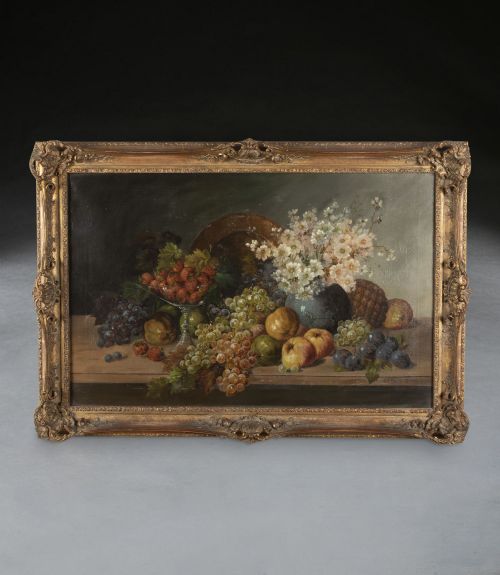
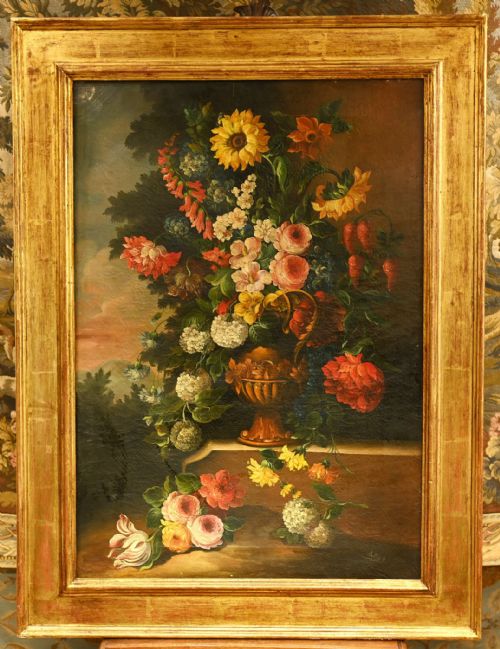
Classical floral art brings together centuries of painted blooms, oil on canvas, and ornate frames.
Classical Floral Art
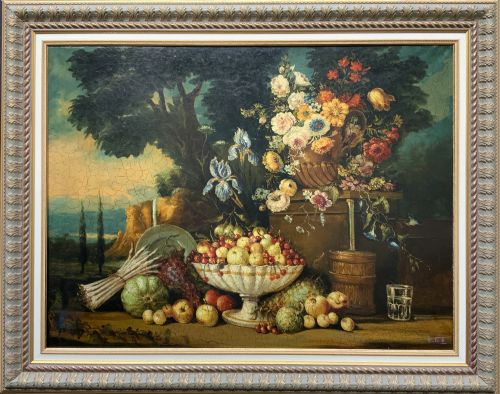
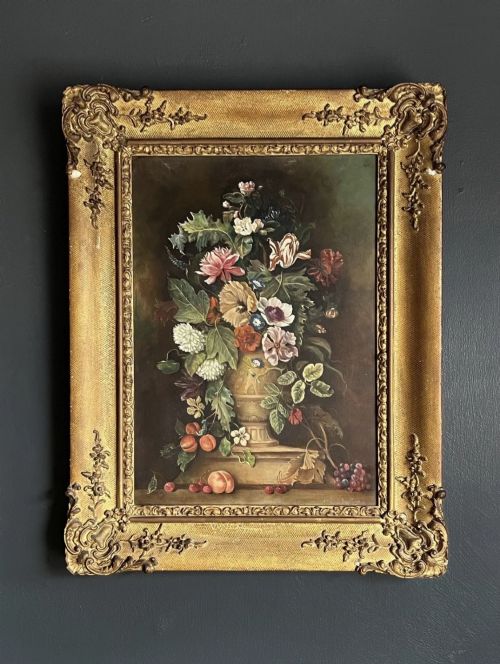
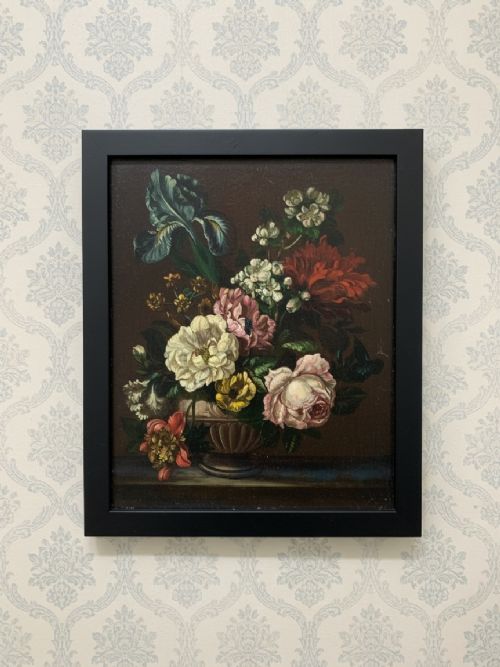
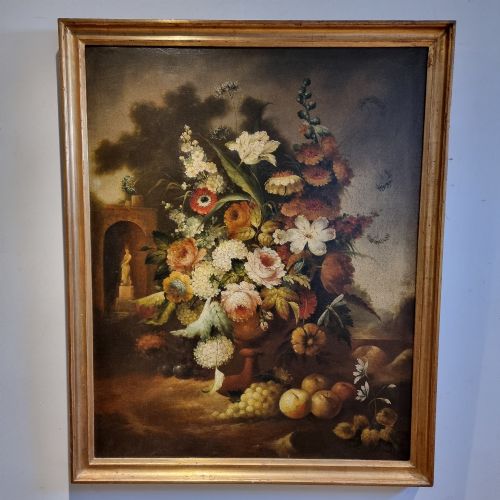
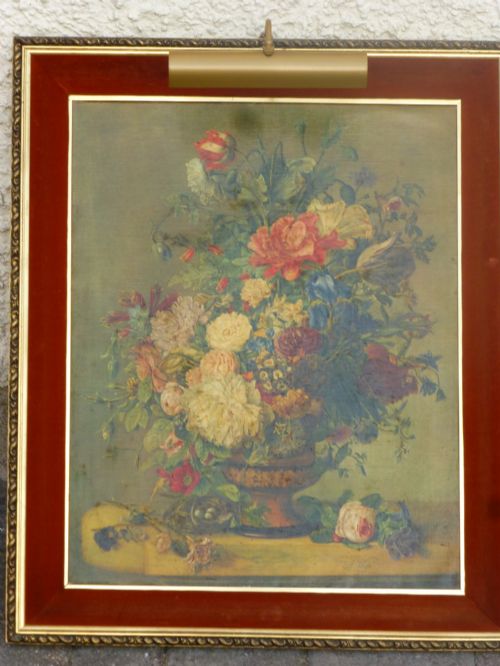
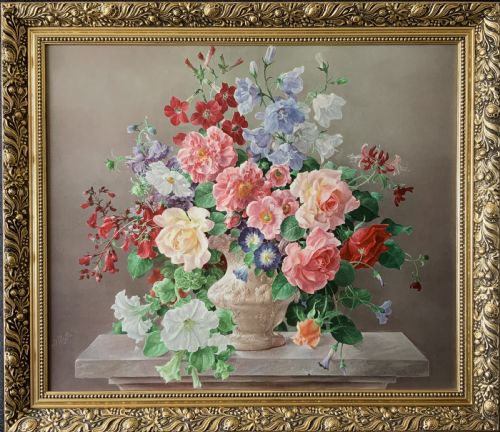
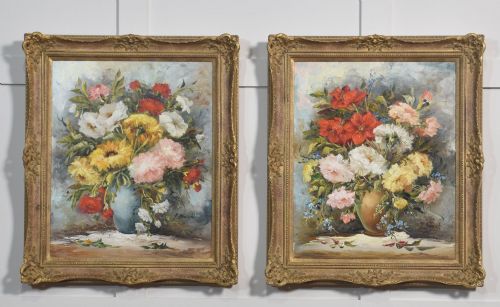
Classical floral art encompasses oil paintings and wall art rendered in styles spanning from the Dutch Golden Age and Flemish Baroque to Victorian and English Traditional traditions. Buyers seeking this phrase encounter painted floral still life compositions, often depicting elaborate arrangements of flowers and fruit.
The selections on this page range from nineteenth century canvases and early twentieth century works to earlier periods including the seventeenth and eighteenth centuries. Alongside traditional oil paintings on canvas and panel, the selection includes related forms such as oil on board, painted panels, and decorative table lamps.
Works attributed to named artists sit alongside pieces from anonymous Dutch and English schools, reflecting diverse origins from Italy, France, and Hungary. Many compositions adhere closely to historical revival styles, echoing the aesthetic of seventeenth century Dutch masters within later periods.
What Varies in Quality
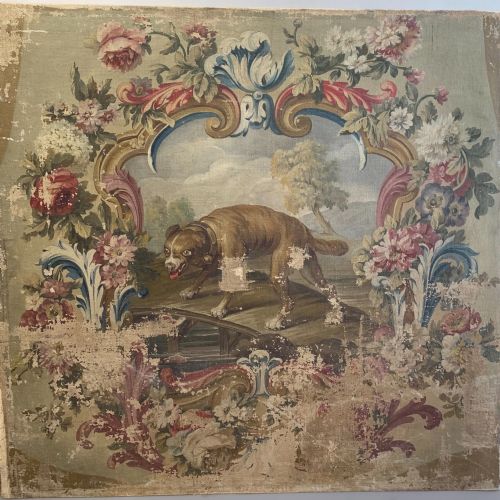
Quality in these paintings is determined by the precision of the brushwork, the handling of light, and the naturalism of the floral arrangements. Masterful works demonstrate subtle tonal transitions and convincing textures in both the botanical subjects and the surrounding vessels.
The execution of the framing also separates works within the range, with hand-carved and heavily gilded gesso frames indicating a higher standard of presentation. Condition of the canvas and the preservation of the original paint layer further distinguish the pieces.
Classical Floral Art Retail Price Guide 2026
Typical asking prices for classical floral art among the pieces listed under this phrase on Sellingantiques today, from the lower quarter to the upper quarter. They describe what is for sale here now, not the wider market.
Birds and wicker baskets frequently share the canvas with the blooms, adding unexpected life to the botanical arrangements.
Gaspar Peeter Verbruggen·Harold Clayton·Manuela Bonati·Bela Balogh·Henry Schouten·Kershaw Schofield
The Classical Floral Art Glossary
- Oil on canvas
- Pigments bound in a drying oil applied to a stretched canvas support. This medium allows for rich colour blending and fine detail work visible in traditional still life painting.
- Giltwood
- Wood that has been treated with a thin layer of gold leaf or metallic powder. It provides a reflective, ornate border often seen on antique frames.
- Gesso
- A paint mixture consisting of a neutral binder mixed with chalk, gypsum, or pigment. It creates a smooth surface on wood frames before gilding.
- Trompe l'oeil
- An art technique that uses realistic imagery to create the optical illusion that the depicted objects exist in three dimensions.
- Oleograph
- A coloured print produced by lithography to imitate an oil painting, often reproducing works by known artists onto canvas or paper.
Classical Floral Art: Frequently Asked Questions
What periods do these paintings come from?
The selections span from the seventeenth century through to the mid-twentieth century, encompassing historical periods such as the Victorian era and the Dutch Golden Age.
Many pieces reflect later revivals of these earlier styles, created during the nineteenth and twentieth centuries by artists working in traditional European traditions.
Are these paintings originals?
The listings include original hand-painted oil works on canvas, panel, and board by named and studio artists.
Some entries also comprise vintage prints and oleographs produced after established painters.
How should I display a gilded frame?
Gilded wood and gesso frames require placement away from direct sunlight and excessive moisture to protect the delicate gold leaf finish.
Regular dusting with a soft, dry cloth helps maintain the surface without disturbing the antique materials.
What is a floral still life?
A floral still life is a painting or artwork focusing primarily on inanimate natural objects, specifically arrangements of cut flowers in vases or baskets.
These compositions often include supplementary elements such as fruit, insects, or birds, arranged to study light, colour, and form.