


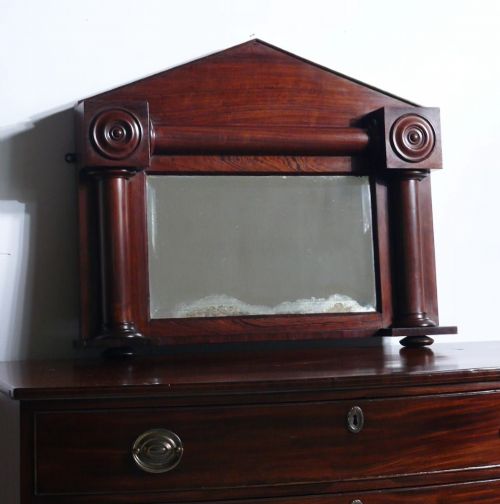


Classical Fireplace Mirror
A classical fireplace mirror anchors a chimney breast with architectural presence and reflected light.
Classical Fireplace Mirror
A classical fireplace mirror takes the form of an overmantel mirror designed to sit above a hearth, drawing the eye upwards with significant proportions. The selection on this page centres on 19th-century designs, incorporating Regency and Victorian interpretations of classical styling.
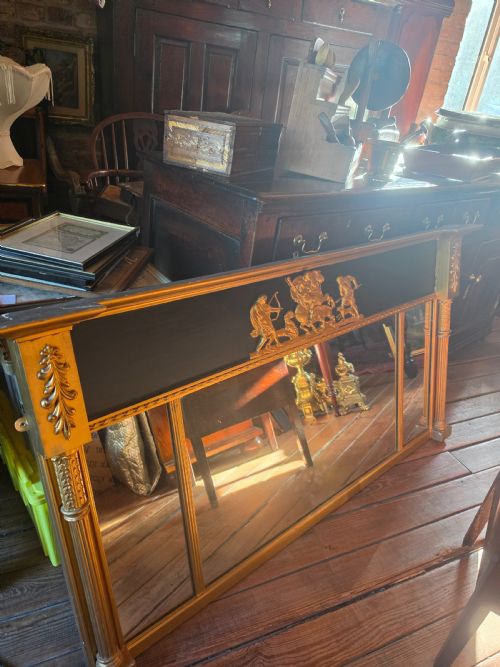
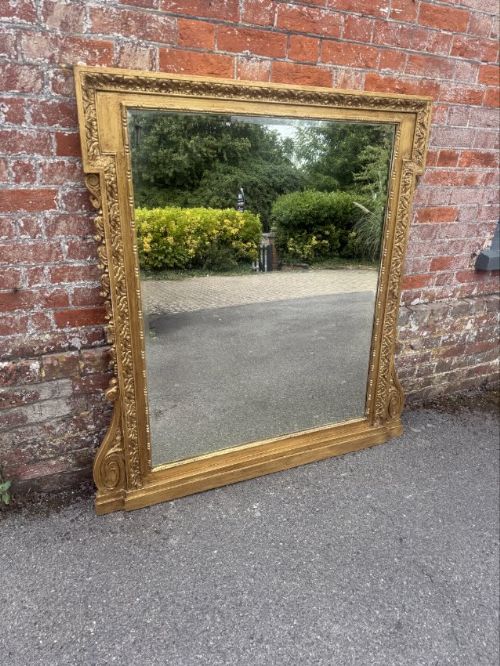
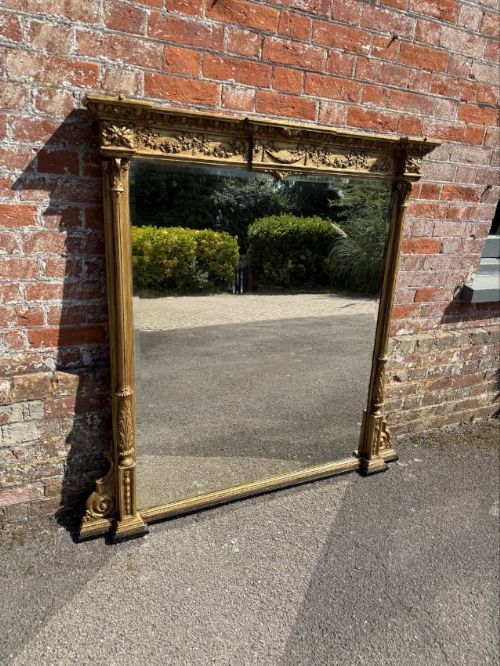
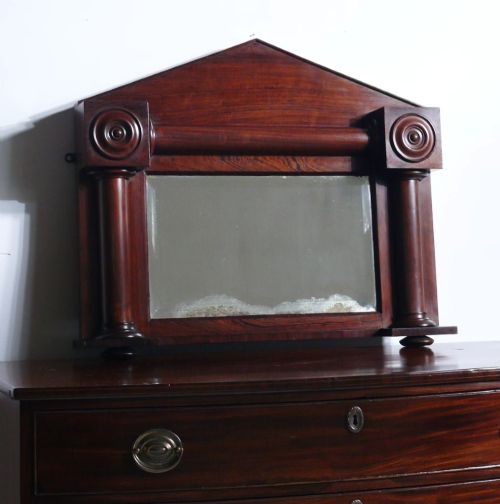
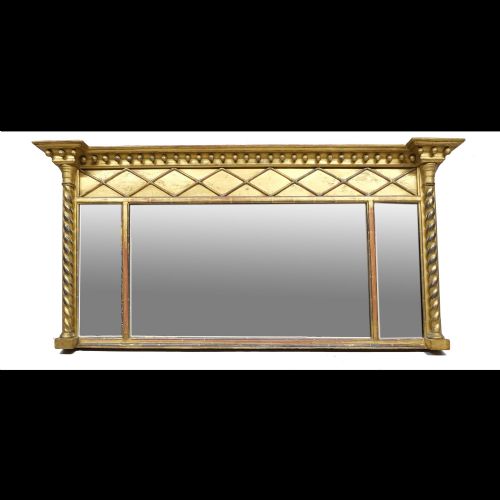
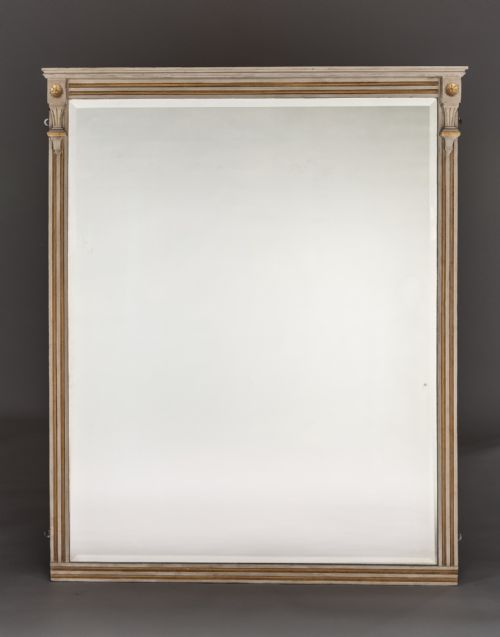
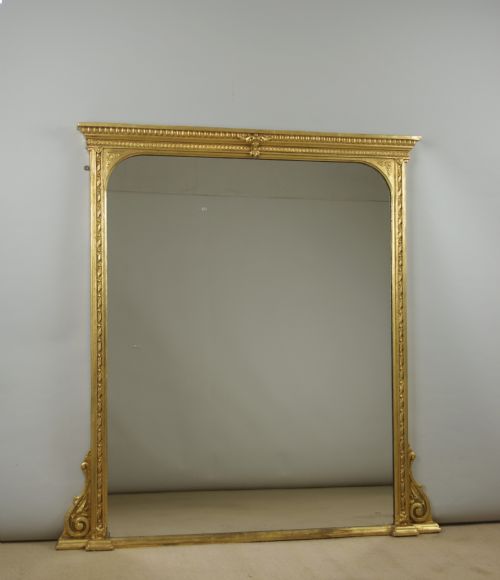
Makers of the period produced these mirrors in substantial sizes suitable for country houses and town residences alike. Overmantel mirrors appear frequently as rectangular or archtop formats, often divided into triple plates or framed by architectural columns.
How they were made
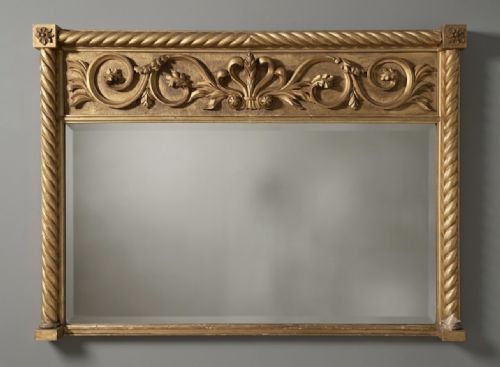
Carpenters constructed the underlying frames using wood such as mahogany, rosewood, ebonised timber or cast iron, upon which intricate decorative elements were built. Artisans applied layers of gesso to carved wood surfaces to create crisp relief details like acanthus leaves and rope twists before gilding.
Finishes relied heavily on gold leaf, gold paint, or parcel-gilt highlights combined with painted surfaces. Mirror glass was set into these heavy frames, occasionally split into multiple plates within a single architectural framework.
Classical Fireplace Mirror Retail Price Guide 2026
Typical asking prices for classical fireplace mirror among the pieces listed under this phrase on Sellingantiques today, from the lower quarter to the upper quarter. They describe what is for sale here now, not the wider market.
Listings feature 19th-century pieces spanning Regency and Victorian periods, constructed from giltwood, mahogany, rosewood, and cast iron.
What varies in quality
Depth and crispness of the carved wood and gesso ornamentation dictate the visual impact of the frame. Superior examples display sharply defined moulding and securely applied gilding that retains its texture over centuries.
The integrity of the original mirror glass and the structural stability of the heavy wooden carcass determine the preservation state. Scale also plays a role, with grand country house proportions demanding robust internal joinery to support the weight.
The Classical Fireplace Mirror Glossary
- Giltwood
- Timber coated with gold leaf or gold paint. This finish provides a bright reflective surface that catches hearthside candlelight.
- Gesso
- A plaster mixture applied to wood frames and carved. It allows artisans to model fine details and relief ornaments before gilding.
- Overmantel mirror
- A large mirror designed to hang specifically above a fireplace mantelpiece. These pieces often span the width of the fire surround.
- Triptych mirror
- A mirror divided horizontally or vertically into three distinct glass panels. Frames of this type frequently incorporate flanking columns.
- Parcel-gilt
- Partially gilded woodwork where gold leaf highlights specific carved details against a painted or dark wood background.
Classical Fireplace Mirror: Frequently Asked Questions
How do I hang a heavy overmantel mirror?
These substantial frames require professional wall anchors fixed directly into masonry or secure wall studs. The considerable weight of wood, gesso and glass demands proper load-bearing hardware.
Position the mirror at a height that balances the fireplace opening and the proportions of the room below. Many choose to rest the base directly on the mantelpiece while securing the top to the wall.
Were these mirrors made only for fireplaces?
Makers designed overmantel mirrors specifically to occupy the chimney breast wall above a fireplace hearth. Their horizontal emphasis complements the width of the mantel shelf.
While occasionally placed on large console tables, their proportions and weight remain intended for the focal point of a principal reception room.
How do I care for antique giltwood frames?
Dust the carved surfaces gently with a soft, dry brush to prevent accumulation in the gesso relief work. Avoid liquid cleaners and chemical polishes that can lift delicate gold leaf.
Keep the mirrors away from direct, intense heat sources and damp environments to protect the underlying wood and prevent the gesso from cracking.
What is the difference between Regency and Victorian styles?
Regency mirrors often feature clean classical lines, architectural columns, and triptych formats with restrained decoration. They lean towards architectural symmetry and refined ornamentation.
Victorian pieces frequently introduce bolder carving, arched tops, and heavier gesso relief work reflecting classical revival movements. These later designs can appear with triple plates or elaborate painted and parcel-gilt surfaces.