






Classical Figural Urn
A classical figural urn brings enduring neoclassical form and sculptural presence to an interior, drawing on ancient motifs.
Classical Figural Urn
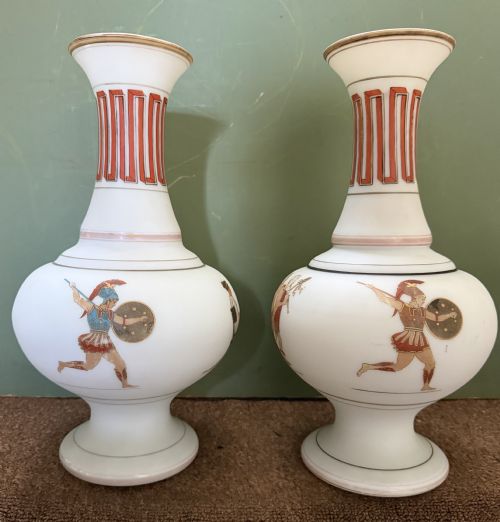
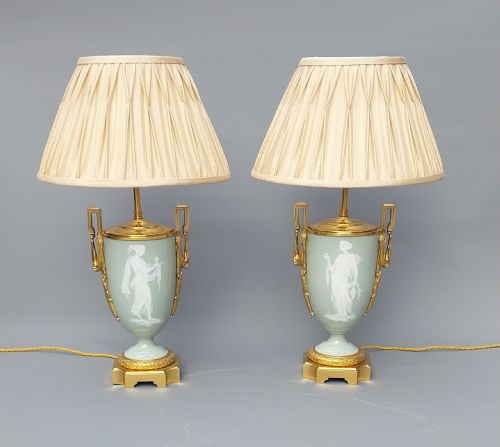
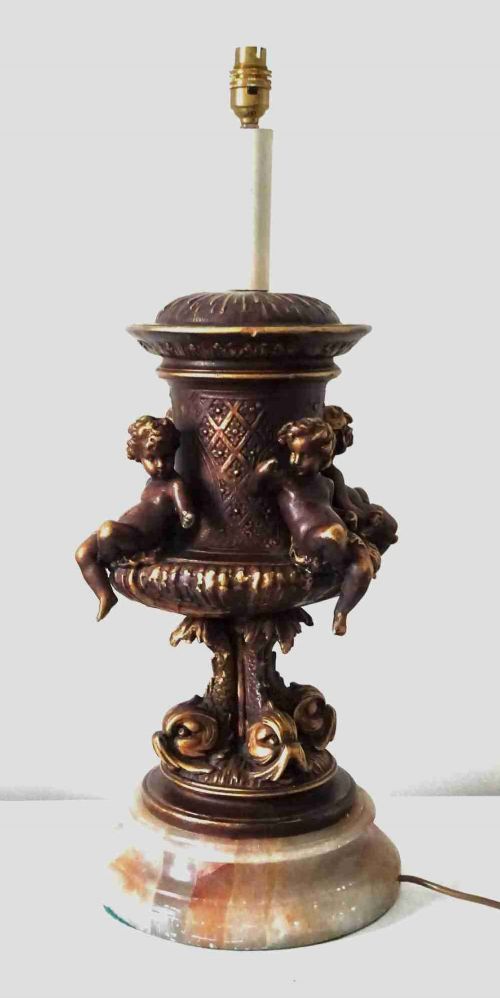
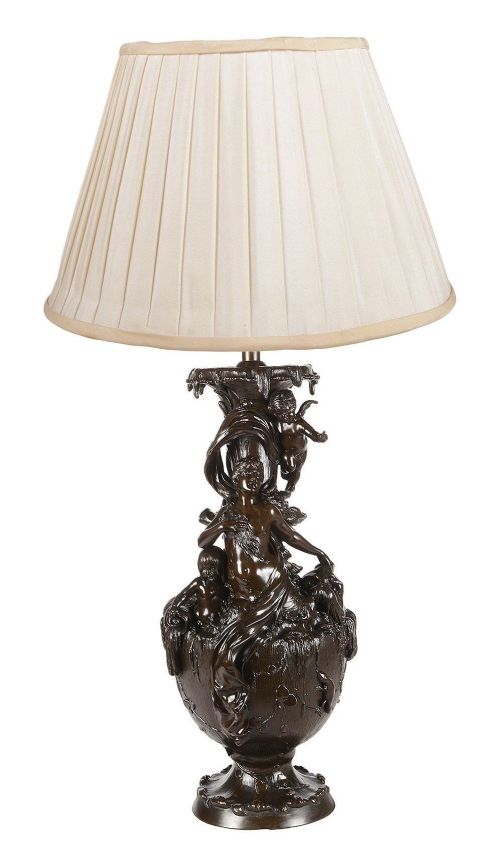
When you search for a classical figural urn, you encounter decorative objects that blend vessel forms with human or mythological figures, rooted in revivalist movements. The selection ranges from nineteenth century bronze lamps and clock garnitures to majolica vases and alabaster groupings.
Victorian and nineteenth century pieces dominate the current listings, alongside French Louis XVI style works and classical revival designs. You will frequently find functional items such as table lamps, oil lamps, and clock sets integrated with figural sculpture.
How they were made
The pieces rely on cast bronze, brass, and patinated bronze, often paired with marble, red marble, and ormolu to provide contrasting weight and colour. Earthenware and majolica feature prominently in ceramic vessels and pedestal displays.
Makers utilised skilled casting, patination, and gilding techniques, sometimes incorporating enamel detailing. Alabaster and carved stone appear in figural groups, reflecting nineteenth century revival craftsmanship.
Classical Figural Urn Retail Price Guide 2026
Typical asking prices for classical figural urn among the pieces listed under this phrase on Sellingantiques today, from the lower quarter to the upper quarter. They describe what is for sale here now, not the wider market.
The current selection spans nineteenth century bronze, marble, brass, enamel, earthenware, patinated bronze, red marble, and ormolu.
What varies in quality
Quality rests upon the crispness of the cast and the depth of the patinated bronze or ormolu surface. Finer works display meticulous chiselling on the figures and harmonious integration between the vessel and its mountings.
The choice of materials dictates the overall presence, with solid marble bases and genuine gilt surfaces elevating the piece far above simpler cast iron or standard earthenware variants.
George Nathan and Ridley Hayes·Albert Carrier
The Classical Figural Urn Glossary
- Ormolu
- Gilt bronze mounted decoration used extensively in French and nineteenth century decorative arts. It provides a bright golden contrast against dark bronze or marble elements.
- Majolica
- Tin-glazed earthenware known for rich, colourful lead glazes. It allows for vibrant figurative and decorative vessels on pedestals.
- Clock Garniture
- A set comprising a central mantel clock matched with side urns or vases. These decorative ensembles unified nineteenth century interior chimneypiece displays.
- Patinated Bronze
- Bronze treated with chemicals or heat to alter its surface colour. This technique accentuates the contours of figures and classical drapery.
- Neoclassical
- A style reviving the design vocabulary of ancient Greece and Rome. It informs the symmetry, motifs, and figural subjects of these urns and lamps.
Classical Figural Urn: Frequently Asked Questions
What is a classical figural urn?
A classical figural urn combines a traditional vessel shape with sculptural human or mythological figures. These decorative works draw heavily on ancient Greek and Roman motifs.
They appear primarily as nineteenth century bronzes, majolica ceramics, and clock garnitures designed to anchor an interior decorative scheme.
How were these urns used historically?
Many served dual purposes as ornamental mantel pieces, lighting fixtures, or centrepieces for grand rooms. Clock garnitures anchored the symmetry of nineteenth century drawing rooms.
Others functioned directly as oil lamps or held decorative planters and garden displays, merging utility with classical sculpture.
How do I style a figural urn?
These pieces suit mantelpieces, side tables, or dedicated pedestals where their sculptural detail can be appreciated from multiple angles. Pair them with period furnishings or use them to introduce classical contrast into a modern space.
Ensure large majolica vases or bronze lamp sets have stable placement given their substantial weight and material composition.
How do I tell nineteenth century periods apart?
Nineteenth century classical pieces often show distinct revival traits, ranging from restrained Louis XVI gilt work to ornate Victorian garnitures and later art nouveau touches. Look at the specific casting style and material choices to gauge the era.
Markings, patination methods, and the integration of marble or ormolu help pinpoint whether a piece originates from the early nineteenth century or the later Victorian decades.