



Classical Column Art
Classical column art brings architectural order indoors, offering everything from framed 18th-century engravings to bronze candlesticks and marble-effect pedestals.
Classical Column Art
Classical column art encompasses objects and imagery inspired by the architectural orders of antiquity, forming a distinct category of decorative and fine art. Pieces carrying this description range from early 18th-century French architectural engravings to table lamps and display pedestals.
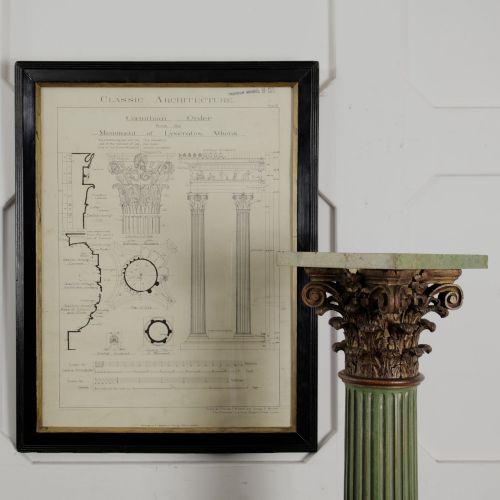
The version most commonly encountered on this page is the framed print or paper engraving depicting temples, capitals, and architectural scenes. These works capture the enduring fascination with classical antiquity that spans from the Georgian era through to the early 20th century.
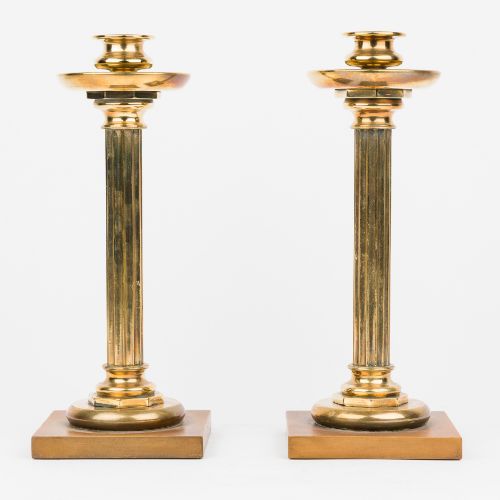
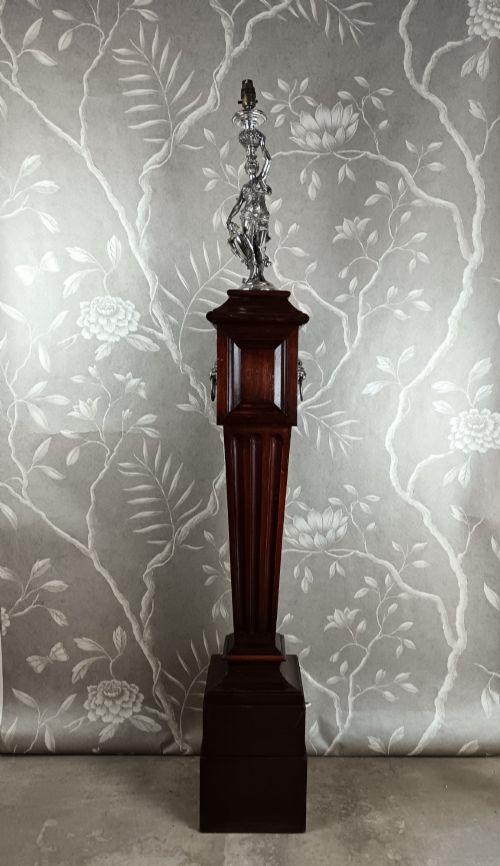
Beyond wall art, the selection includes functional and decorative objects shaped by classical proportion. Brass and bronze table lamps, floor lamps featuring figural statues, and wooden display pedestals translate the structural majesty of the column into domestic forms.
Materials and methods
Paper works rely on copper engraving and ink, capturing fine lines in plates depicting ancient temples and orders. These prints often utilise high-grade paper stocks that survive across centuries, preserving meticulous architectural details.
Three-dimensional pieces utilise metalworking, woodworking, and casting techniques. Brass and bronze form columns and candlesticks, whilst mahogany and faux marble construct substantial display pedestals and torcheres.
Classical Column Art Retail Price Guide 2026
Typical asking prices for classical column art among the pieces listed under this phrase on Sellingantiques today, from the lower quarter to the upper quarter. They describe what is for sale here now, not the wider market.
Listings feature paper, glass, ink, brass, wood, fabric, mahogany, and silver plate across periods spanning the 18th century to the 1930s.
Distinctions in quality
Quality in printed works rests upon the clarity of the copper engraving and the crispness of the ink upon the paper. Strong impressions reveal precise linework in architectural details like the Corinthian or Doric orders, whereas weaker examples lose definition.
In physical objects, substance and material integrity define the tier. Solid metals like bronze and brass, substantial hardwoods such as mahogany, and well-executed faux finishes elevate a pedestal or lamp far above lighter, less resolved pieces.
WMF·Alessandro Mocchetti
The Classical Column Art Glossary
- Engraving
- A printmaking process where an image is cut into a metal plate with a burin. The resulting lines hold the ink that transfers to paper under pressure.
- Corinthian
- An architectural order characterised by slender columns and ornate capitals decorated with acanthus leaves. It appears frequently in classical prints and lamp designs.
- Doric
- The oldest and simplest of the classical architectural orders, known for sturdy columns with plain capitals. It is seen on brass table lamps and architectural plates.
- Torchere
- A tall stand or floor lamp designed to hold a light source aloft. Examples in this category often incorporate figural statues and columnar supports.
- Neoclassical
- A style reviving the forms and proportions of ancient Greece and Rome. This aesthetic dominates the engravings, furniture, and decorative objects found here.
Classical Column Art: Frequently Asked Questions
What is classical column art?
Classical column art covers physical objects and printed works that draw directly on the architectural forms of ancient Greece and Rome. This includes engraved plates of temples, bronze and brass candlesticks, and structural table lamps.
Buyers select these items to bring symmetry, history, and architectural gravity into interior spaces. The category bridges fine art prints and functional home accessories.
How were architectural engravings used?
In past centuries, architectural engravings served as records for scholars, architects, and collectors documenting antiquities across Europe. They preserved the precise measurements and details of structures like the Temple of Jupiter Olympus.
Today, these prints are typically framed and displayed as wall art. They offer a scholarly aesthetic suited to studies, libraries, and hallways.
How do I date a classical column lamp?
Dating a column lamp involves examining the metal composition, switch mechanisms, and decorative style. Pieces from the Edwardian period often feature polished brass Doric shafts, while 1920s and 1930s examples lean towards Art Deco bronze or onyx.
Wiring styles and maker marks also help determine the period. Original components and stamps provide clear indicators of manufacturing eras.
Where do display pedestals fit?
Display pedestals and torcheres provide elevated platforms for sculpture, plants, or lighting. Nineteenth-century examples often employ faux marble finishes to mimic costly stone at a manageable weight.
Mahogany pedestals offer a warm timber tone for domestic display. They function as architectural anchors in a room while serving a practical purpose.