

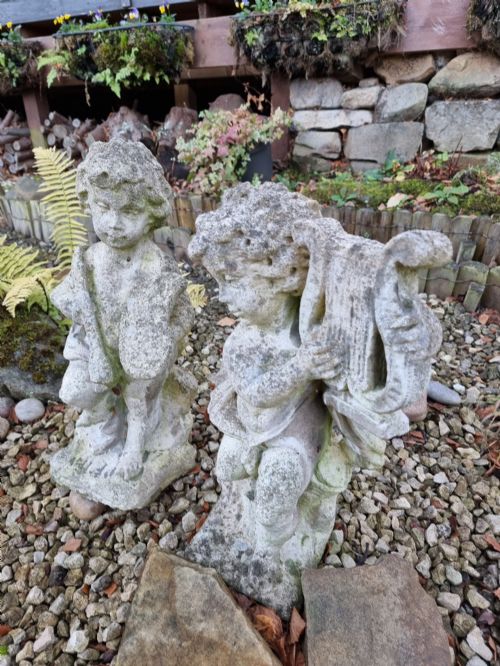
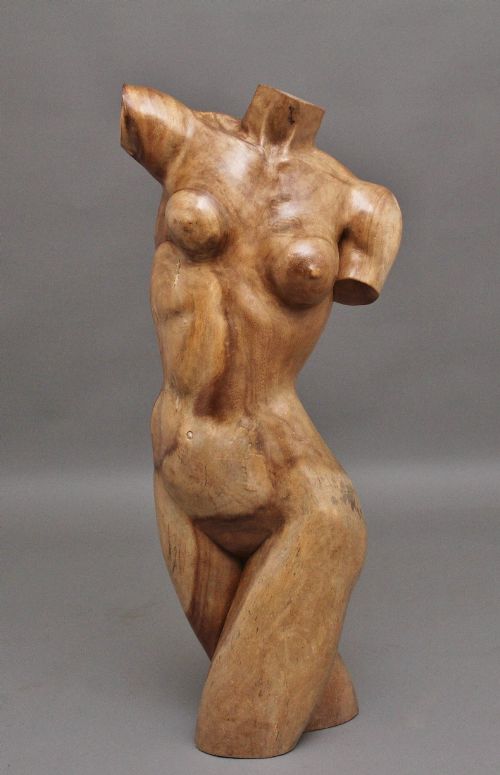
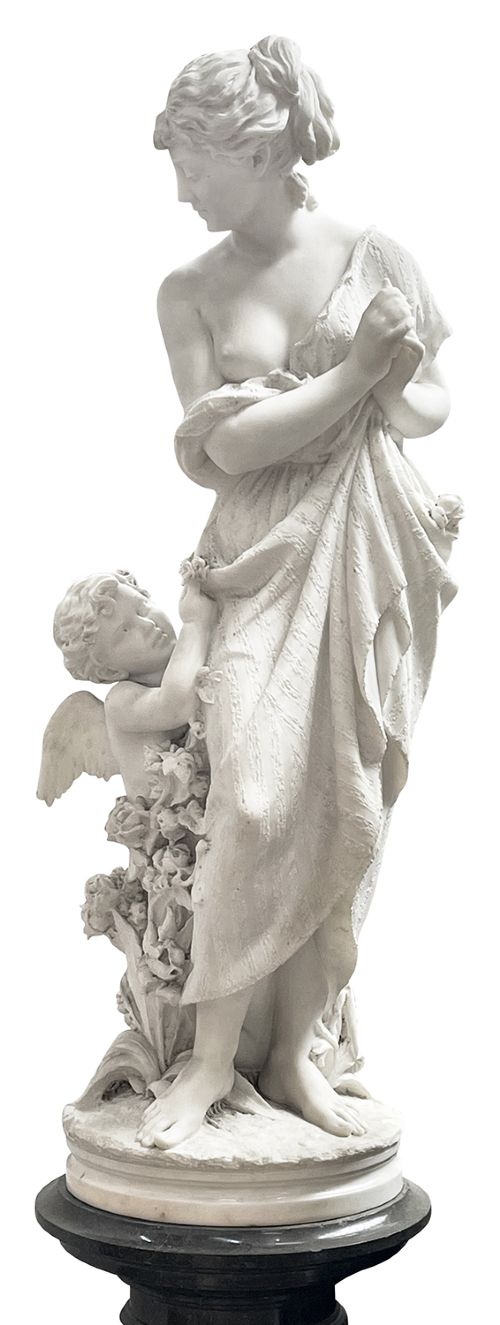
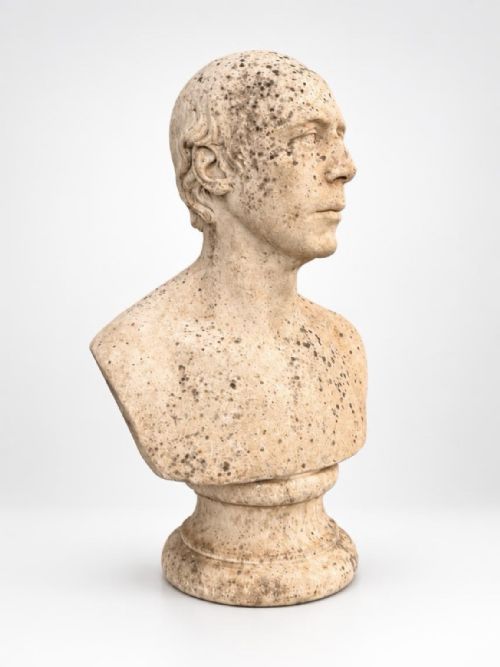
Classical Carved Statue
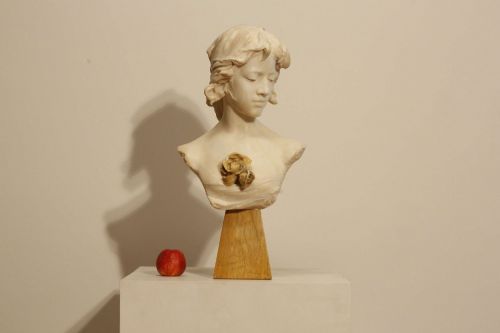
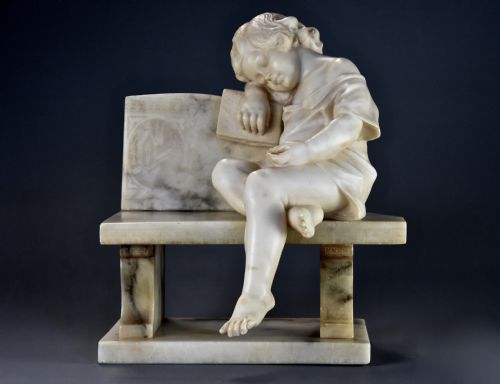
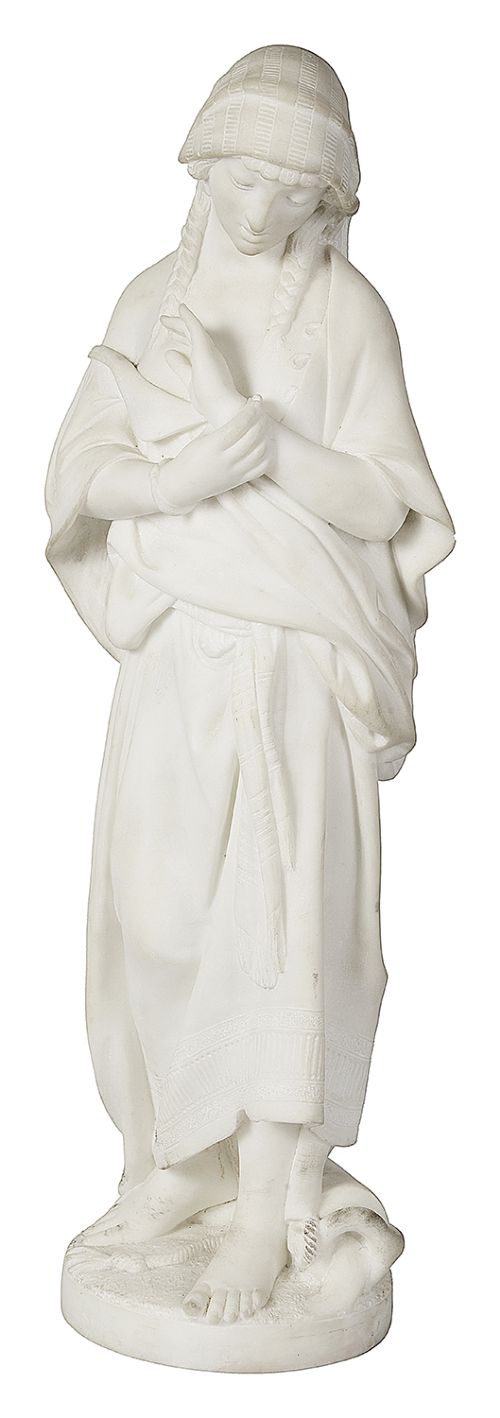
When you search for a classical carved statue, you are seeking sculptural forms in marble, alabaster and oak that draw directly upon antiquity.
Classical Carved Statue
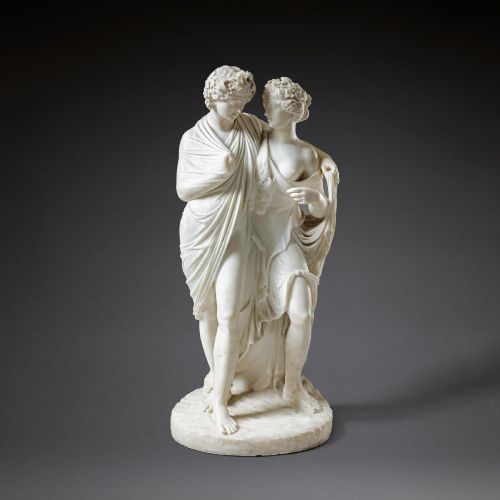
A classical carved statue brings historical mythology and portraiture into domestic and civic spaces through enduring materials. These pieces take the form of full-length figures, library busts and decorative groups originating primarily from the eighteenth and nineteenth centuries.
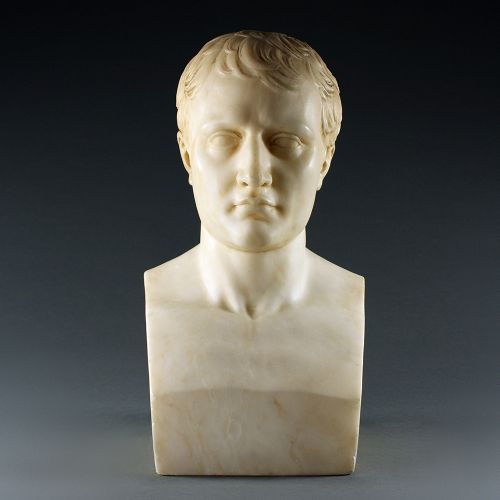
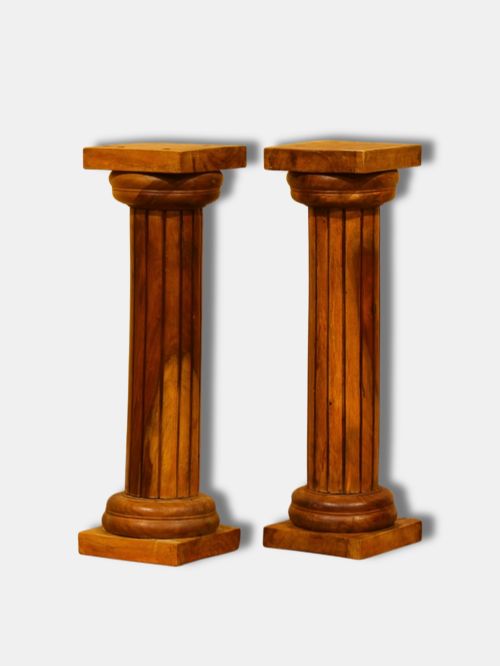
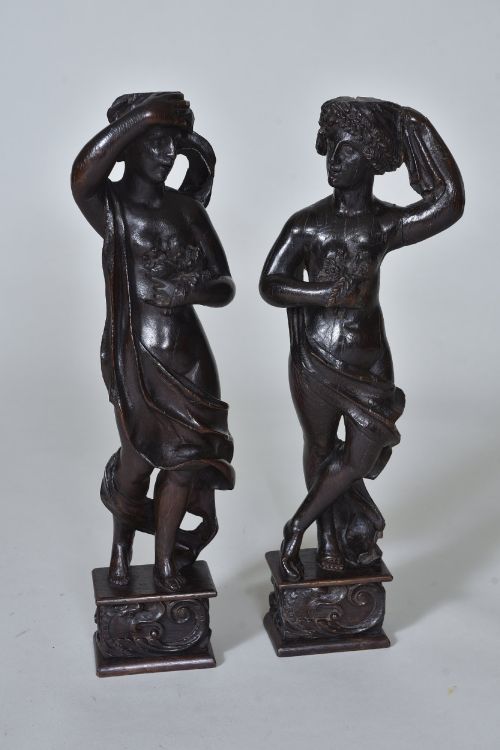
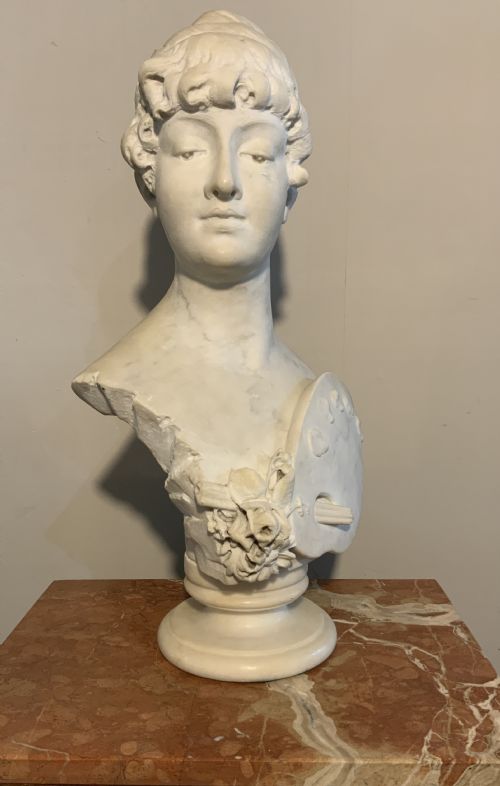
The most common examples encountered here are nineteenth-century Italian Grand Tour interpretations and portrait busts carved from white and Carrara marble. Alongside these figurative works, buyers will discover complementary oak pedestals and architectural carvings from French and Continental traditions.
Materials and carving methods
Makers shaped these sculptures from blocks of stone using chisels, rasps and hand drills to achieve smooth contours and detailed drapery. Alabaster and softer stones allowed for intricate undercut details, whilst dense marbles required rigorous abrasion and polishing to reveal the grain.
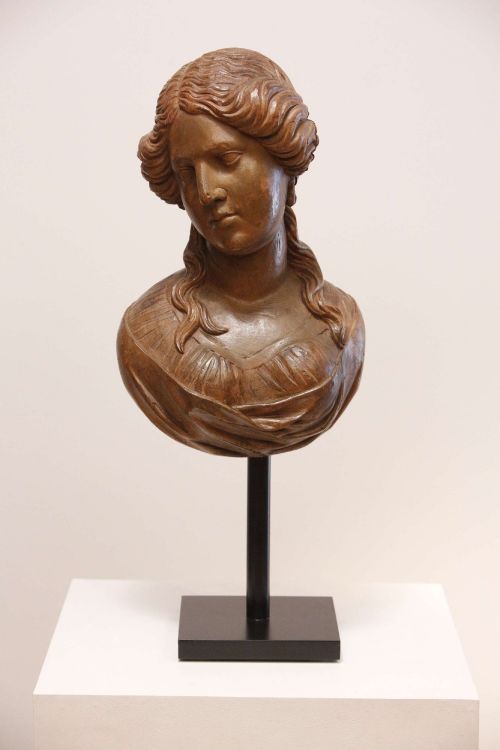
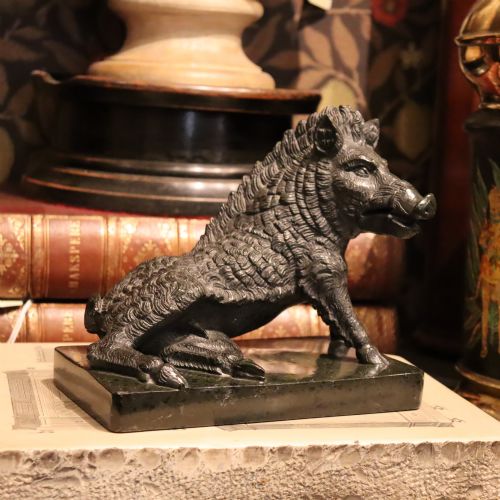
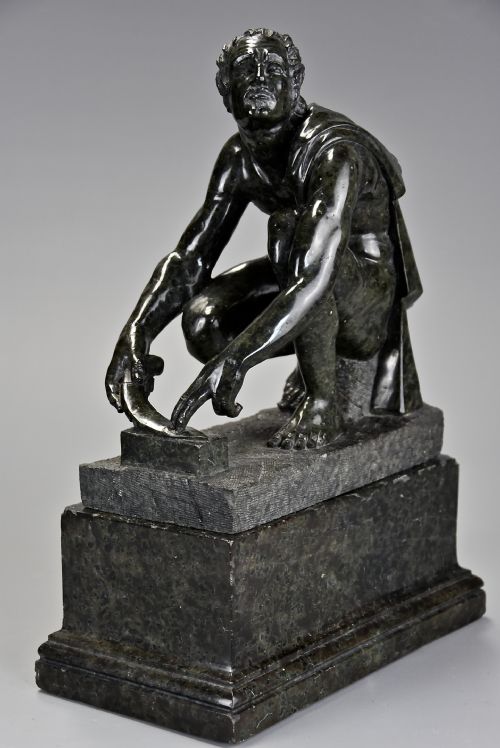
Wooden examples, predominantly oak, relied on traditional mallet and gouge techniques to establish deep relief and robust structural forms. Master carvers frequently mounted marble figures onto contrasting verd antique or prato verde socles to accentuate the mineral colours.
Classical Carved Statue Retail Price Guide 2026
Typical asking prices for classical carved statue among the pieces listed under this phrase on Sellingantiques today, from the lower quarter to the upper quarter. They describe what is for sale here now, not the wider market.
Several figures gaze sternly across the centuries while sporting surprisingly elaborate nineteenth-century Victorian hairstyles.
Distinctions in craftsmanship
The distinction between ordinary and exceptional carving lies in the precision of anatomical rendering and the treatment of surface textures such as hair and fabric. Superior pieces display a lifelike softness in the stone that captures movement and expression convincingly.
Signature or attribution to known nineteenth-century studios elevates a sculpture, as does the fidelity of the rendition to ancient prototypes. Proportion, balance within multi-figure groups, and the quality of the underlying stone further separate standard production items from masterworks.
Carlo Albacini·Antonio Canova·Eugene Aizelin·J Francis·Carrier Belleuse
The Classical Carved Statue Glossary
- Grand Tour
- A cultural journey undertaken by wealthy young Europeans in the eighteenth and nineteenth centuries to study classical art and acquire souvenirs. These portable marble or alabaster sculptures and busts formed the core of many private collections.
- Socle
- A short plinth or pedestal supporting a bust or statue. Often fashioned from a contrasting dark marble to highlight the lighter stone of the main figure.
- Carrara marble
- A type of white or blue-grey marble quarried in the city of Carrara in the north of Tuscany. It is famed for its fine grain and has been utilised by sculptors since classical antiquity.
- Verdo prato
- A green serpentine marble commonly used for pedestals and bases in Italian sculpture. The deep green tonality provides a striking visual contrast to white statuary marble.
Classical Carved Statue: Frequently Asked Questions
What is a Grand Tour sculpture?
A Grand Tour sculpture is a reduced-scale or full-size copy of a celebrated classical antiquity, typically acquired by travellers touring Italy during the eighteenth and nineteenth centuries.
These pieces served as academic studies and decorative home ornaments, preserving the aesthetics of ancient Roman and Greek art for private collectors.
How do I care for a marble statue?
Marble requires gentle dusting with a soft, dry cloth to prevent the accumulation of grit in carved crevices and textured surfaces. Avoid abrasive cleaning agents, household chemicals and excessive moisture, which can damage the polished finish of the stone.
How do alabaster and marble differ?
Alabaster is a softer, more translucent mineral that allows light to penetrate slightly beneath the surface, giving figures a warm, lifelike glow. Marble is harder, denser and less translucent, offering greater durability and sharper definition in fine details.
Where were these statues displayed?
Historically, these sculptures stood in libraries, hallways and formal drawing rooms on dedicated pedestals, columns or furniture tops. Their presence signalled classical learning, refined taste and an appreciation for antique history within the household.