




Classical Bronzes on Marble
Classical bronzes on marble bring neoclassical sculpture and ornamental metalwork together on heavy stone bases.
Classical Bronzes on Marble
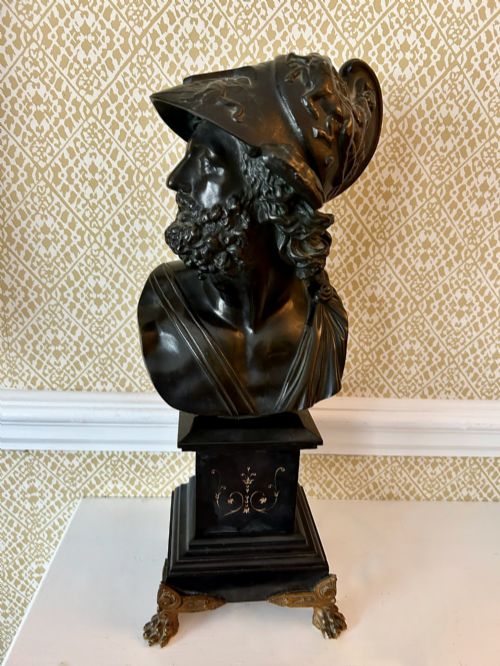
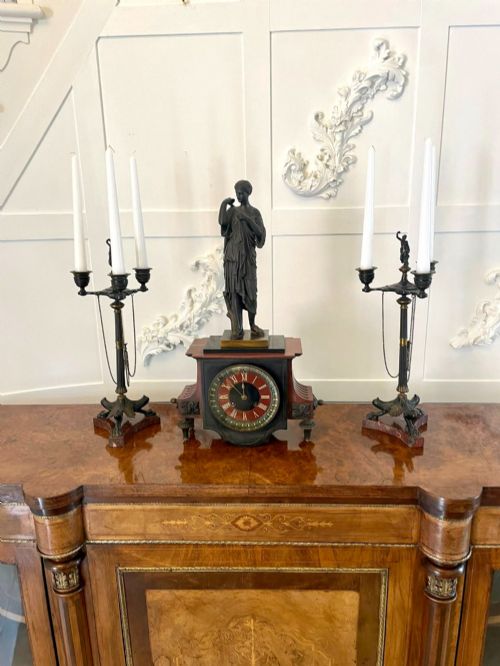
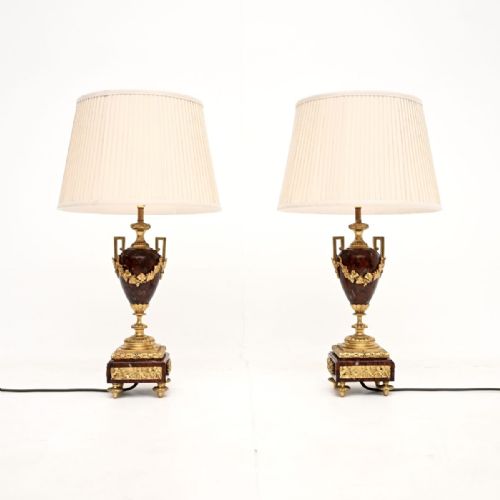
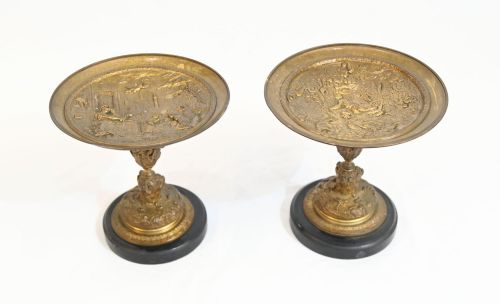
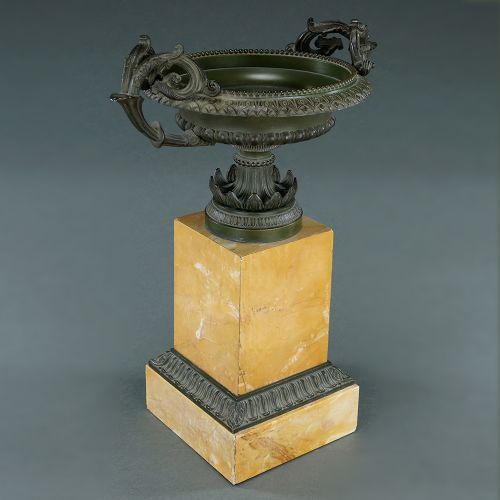
When buyers search for classical bronzes on marble, they look at sculpted metal figures, mantel clocks, urns, and tazzas mounted upon stone plinths. These pieces draw heavily on Neoclassical, French Empire, and Grand Tour traditions, reflecting European taste from the nineteenth century onwards.
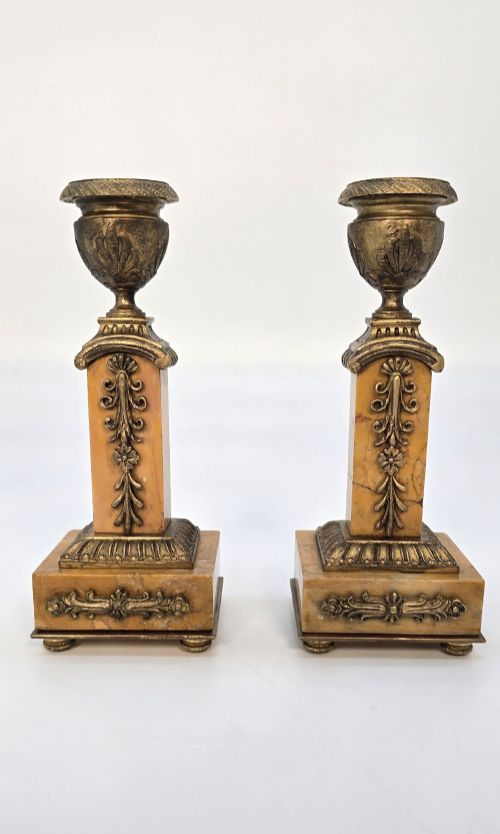
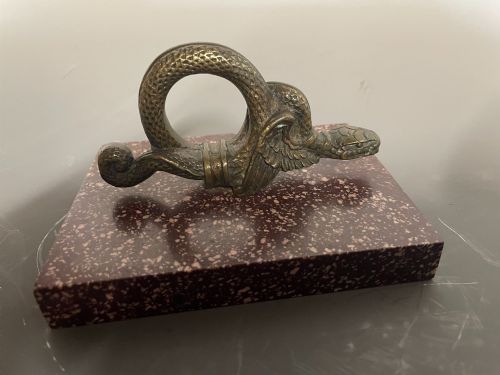
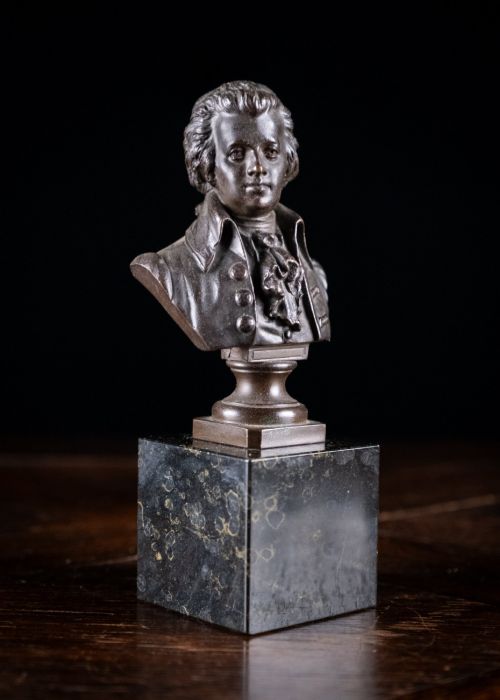
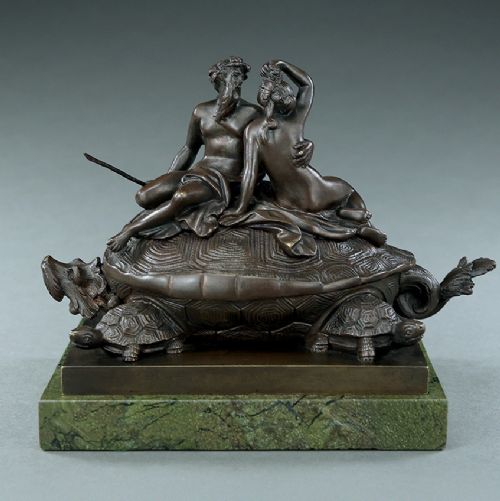
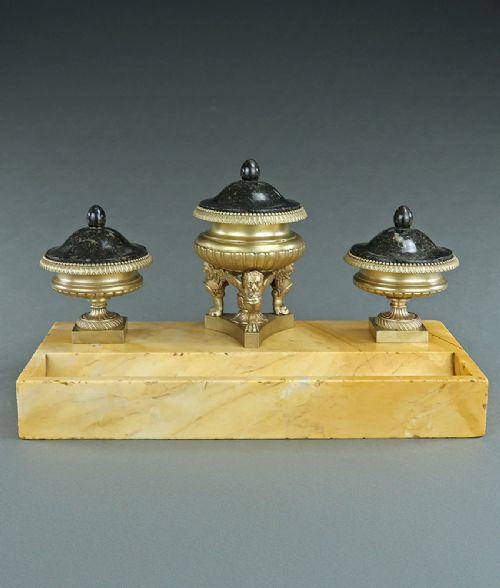
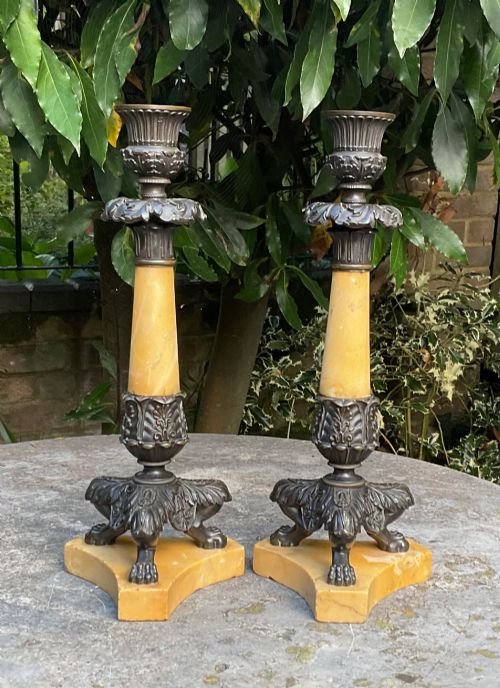
The objects on this page range from small portrait busts and mythological figures to pairs of candelabra and decorative lamps. Most pieces combine cast bronze with contrasting bases of white, red, grey, green, or fossil marble and onyx.
Grand Tour souvenirs and French Empire decorative items dominate the selection, often depicting classical deities, literary figures, or ancient architectural motifs. Buyers will frequently encounter matched pairs designed for mantelpieces or side tables, alongside single cabinet bronzes.
How they were made
The metal components rely on traditional lost-wax casting or sand casting to achieve crisp detail in the bronze or gilt bronze figures. Foundries then finished these casts through chasing and patination, applying chemical patinas or gilding to create distinct surface textures.
The stone elements were turned, carved, and polished separately to form matching plinths, columns, and urn bodies. Ormolu collars, brass mounts, and gilt bronze trim were then fitted mechanically or secured with pins to complete the union of metal and stone.
Listings feature 19th Century and early 20th Century periods alongside styles spanning Neoclassical, French Empire, and Grand Tour.
What varies in quality
The selection and preparation of the underlying stone also define the tier of the piece. Dense, evenly figured marble or polished onyx with precisely fitted bronze mounts demonstrates a higher standard of manufacture than hastily assembled combinations.
Charles Louis Malric·Susse Frères·Barbedienne·Pierre le Faguays·Vincenti·August Moreau
The Classical Bronzes on Marble Glossary
- Ormolu
- Gilded bronze produced by applying a mercury-gilding amalgam to cast bronze, creating a durable golden finish typical of French decorative pieces.
- Grand Tour
- A traditional trip through Europe undertaken by young upper-class men to study classical art, generating a steady demand for bronze antiquities and small-scale sculptures.
- Tazza
- A shallow cup or vase set upon a stem and foot, frequently rendered in bronze and mounted on a marble plinth for decorative display.
- Patina
- The surface sheen or coloration developed naturally over time or applied chemically to bronze to enhance depth and protect the metal.
- Spelter
- A zinc alloy used as a less expensive substitute for bronze in later ornamental figures, often given a bronze-colored metallic coating.
Classical Bronzes on Marble: Frequently Asked Questions
What is a Grand Tour bronze?
Grand Tour bronzes are small-scale replicas of famous classical sculptures, architectural ruins, and mythological figures purchased by travellers in Italy during the nineteenth century. Foundries in Rome, Naples, and Paris produced these portable works as educational and decorative souvenirs.
They allowed collectors to bring classical antiquity into domestic interiors without acquiring fragile or heavy stone originals.
How can I tell genuine bronze from spelter?
Bronze feels significantly heavier than spelter and demonstrates greater tensile strength in slender parts like limbs or weapons. True bronze develops a stable, warm patina and sounds resonant when lightly tapped, whereas spelter often shows a dull grey metal beneath worn paint.
Many nineteenth-century decorative pieces explicitly combined cast bronze figures with heavy marble bases for stability.
Where should I display these pieces?
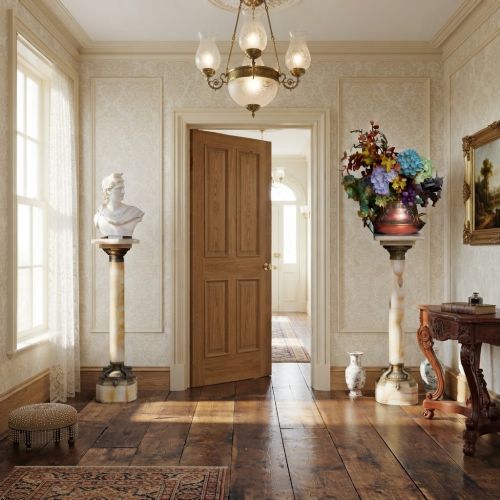
Place heavy pieces on sturdy furniture such as sideboards, mantelpieces, or dedicated pedestals that can support the combined weight of stone and metal. Keep them away from direct sunlight and sudden temperature changes to protect the integrity of the marble and the underlying metal joints.
Positioning them at eye level allows the fine chasing and patination of the bronze to be appreciated fully.