



Classical Bird Painting
Classical bird painting brings centuries of avian art into your rooms, from grand Italian landscapes to intimate porcelain jardinieres.
Classical Bird Painting
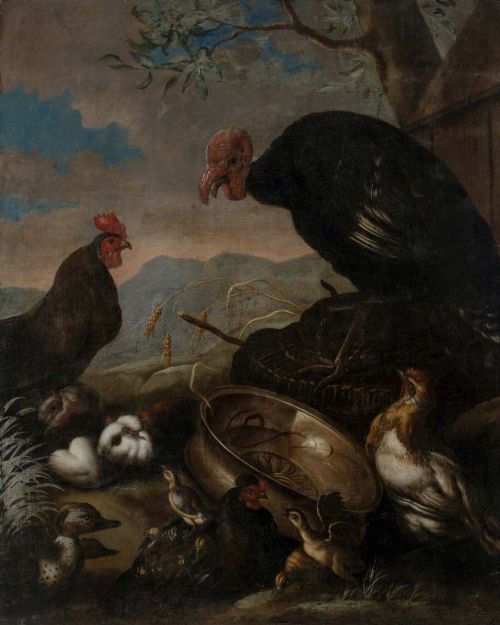
A classical bird painting comprises historical artworks and decorative objects featuring avian subjects, spanning oils on canvas, painted wood, and porcelain from the seventeenth century onwards. These works capture birds within natural landscapes, architectural ruins, or alongside elaborate fruit still lifes.
You are most likely to encounter oil paintings on canvas depicting Italian and Flemish baroque or neoclassical scenes. Examples range from large scale works by named European masters to painted panels and decorative porcelain jardinieres.
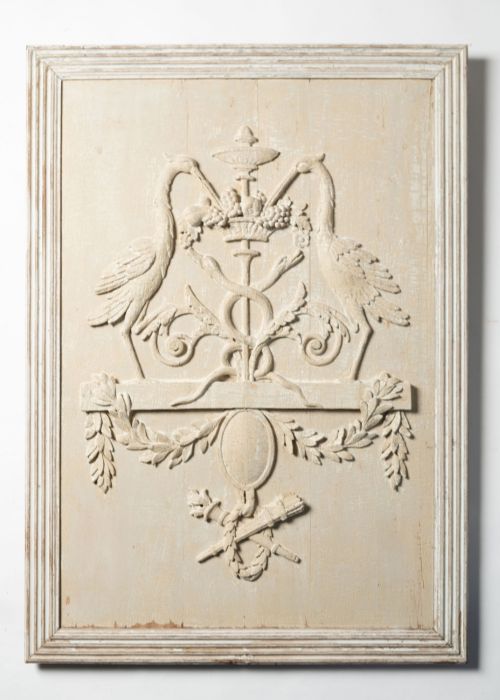
The selection extends across multiple centuries, including Georgian porcelain and nineteenth century canvases. Alongside traditional wall art, buyers will find painted wooden panels and leather screens incorporating bird motifs.
Materials and methods
Painters applied oil paint to stretched canvas or prepared wooden panels, often building rich textures with multiple layers of pigment. Gilded frames and gold leaf frequently complement these works, particularly in baroque and neoclassical pieces.
Craftsmen also worked on painted wood and leather for decorative panels and folding screens. Porcelain pieces such as jardinieres utilised traditional ceramic manufacturing and hand painting techniques.
Classical Bird Painting Retail Price Guide 2026
Typical asking prices for classical bird painting among the pieces listed under this phrase on Sellingantiques today, from the lower quarter to the upper quarter. They describe what is for sale here now, not the wider market.
Expect parrots, pigeons, and assorted fowl immortalised by historical painters who clearly struggled to keep their feathered subjects sitting still.
Distinctions in quality
Quality rests upon the precision of the brushwork and the anatomical accuracy with which the birds and plumage are rendered. Master works demonstrate confident handling of light and shadow, particularly in complex landscape or still life compositions.
The sophistication of the supporting elements, such as architectural backgrounds or surrounding fruit and foliage, separates superior artistic output from standard decorative work. Material preservation and the integrity of the original canvas, wood, or porcelain ground also dictate the standing of a piece.
Angelo Maria Crivelli·Gaspar Peeter Verbruggen·Barr Flight and Barr·Christian Lindner·Giacomo Nani·George Lance
The Classical Bird Painting Glossary
- Neoclassical
- A style drawing inspiration from the classical art and culture of ancient Greece and Rome. It emphasises proportion, clarity, and restrained grandeur.
- Baroque
- An artistic style prevalent from the seventeenth century characterised by dramatic movement and rich detail. It often employs intense contrast between light and dark.
- Jardiniere
- A decorative pot or stand designed to hold plants or flowers. Ceramic examples from factories like Worcester often feature hand painted botanical or animal decoration.
- Chinoiserie
- A European theatrical interpretation of Chinese and East Asian artistic traditions. It frequently appears on decorative panels and screens of the eighteenth and nineteenth centuries.
- Still life
- A painting or drawing featuring inanimate subject matter, typically commonplace objects or natural items such as fruit and birds. Master painters arranged these elements to study form, light, and colour.
Classical Bird Painting: Frequently Asked Questions
What periods do these paintings cover?
The available selection spans from the seventeenth century through the eighteenth and nineteenth centuries, capturing stylistic shifts from baroque grandeur to nineteenth century naturalism.
Pieces reflect the distinct artistic priorities of their respective eras, incorporating techniques from Italian and Flemish schools alongside Georgian porcelain production.
How were these artworks used originally?
Large oil paintings served as formal wall art in grand estates, designed to display wealth, sophistication, and an appreciation for natural history. Smaller painted panels, screens, and jardinieres functioned as practical yet ornate furnishings within period interiors.
Subjects like birds and fruit symbolised abundance and the beauty of the natural world, making them popular choices for reception rooms and studies.
How do I distinguish between oil on canvas and painted panels?
Oil on canvas pieces feature a flexible fabric support that exhibits characteristic weave textures under close inspection, usually framed as traditional wall art. Painted panels utilise rigid wooden or leather surfaces, sometimes forming part of multi-fold screens or furniture.
Both mediums employ similar oil painting techniques but differ entirely in their structural support and intended domestic application.
How do I care for antique painted wood and canvas?
Canvas works require stable indoor humidity and protection from direct sunlight to prevent pigment degradation and canvas slackening. Wooden panels and leather screens benefit from gentle dusting and similarly controlled environments to avoid warping.
Avoiding harsh cleaning agents ensures the preservation of historical oil paint and gilded surfaces over time.