

Classical Art Study
Classical art study pieces capture the rigorous training methods of past academies through figure drawings, oil sketches and classical plaster casts.
Classical Art Study
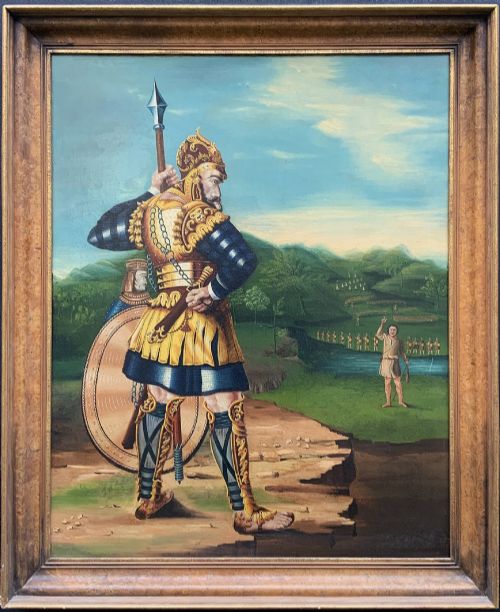
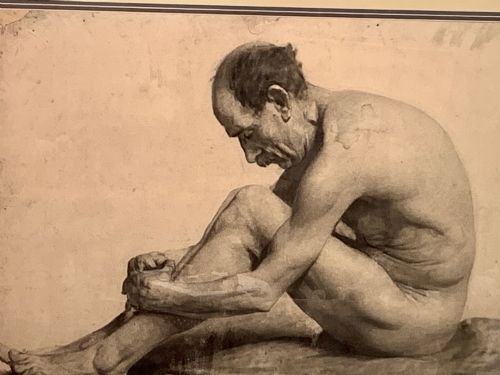
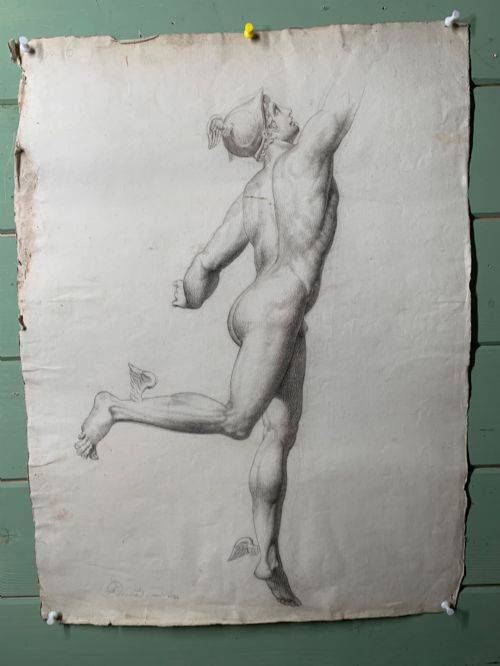
A classical art study represents the foundational exercises undertaken by artists to master human anatomy, perspective, and antique sculpture through direct observation. These pieces typically include academic life drawings, anatomical sketches, oil studies of figures, and Grand Tour souvenirs recording ancient monuments.
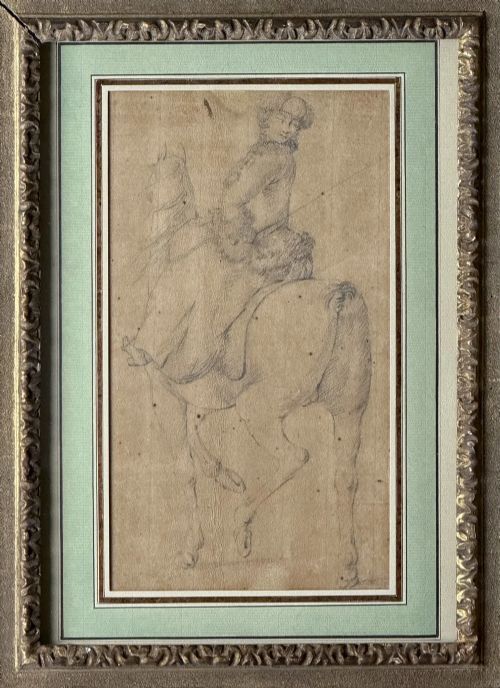
Buyers encountering this selection will find works spanning from the eighteenth century through the mid twentieth century, reflecting academic realism and neoclassical traditions. The assortment contains framed drawings on paper, oil paintings on canvas or panel, and occasional plaster casts or bronze studies.
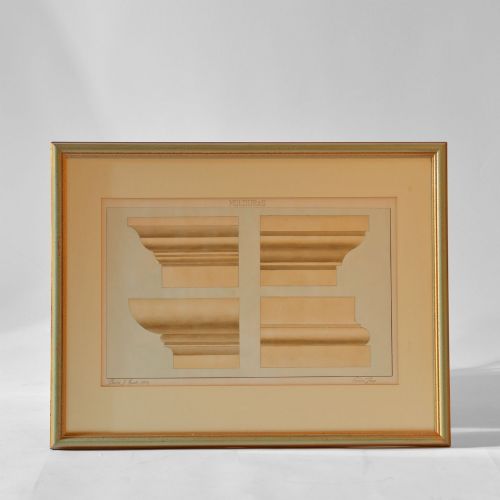
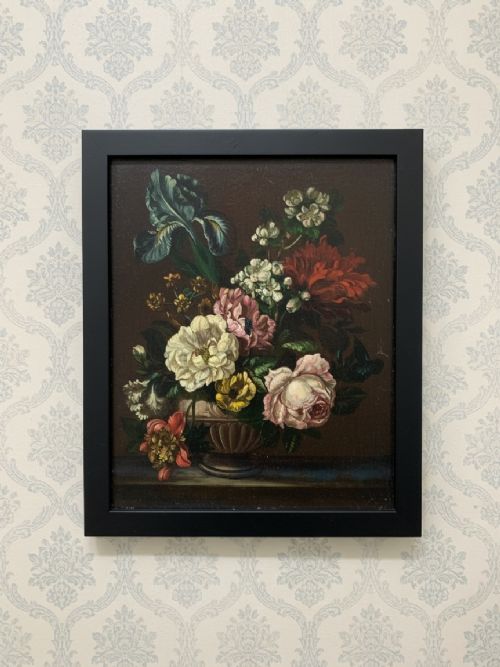
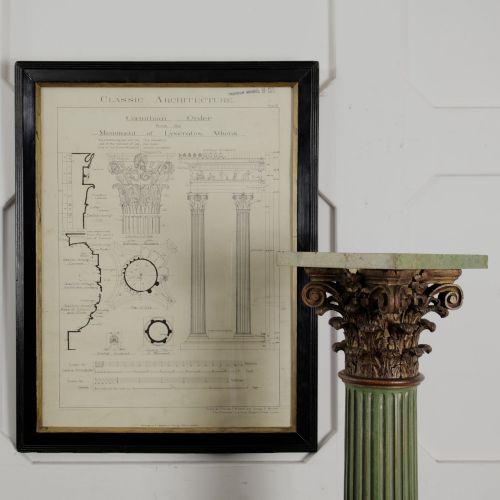
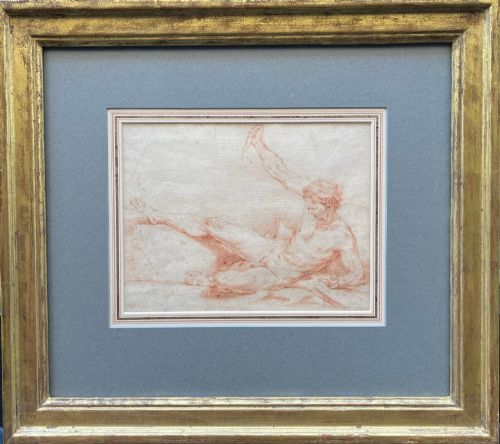
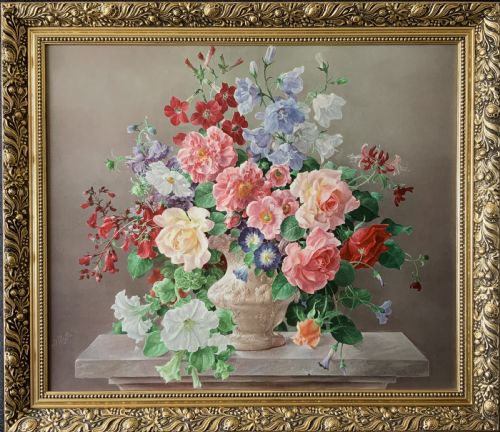
Origins vary across European schools, with British, French, and Italian examples appearing frequently. The subjects range from male and female academic nudes to architectural plates and still life compositions executed in pencil, red chalk, watercolour, or oil paint.
Materials and Techniques
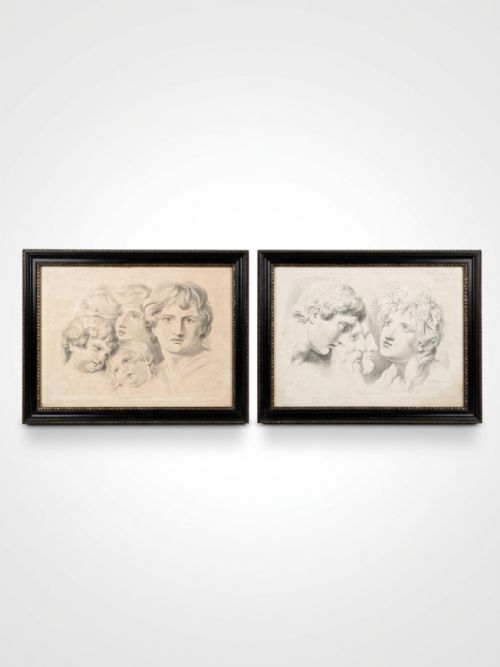
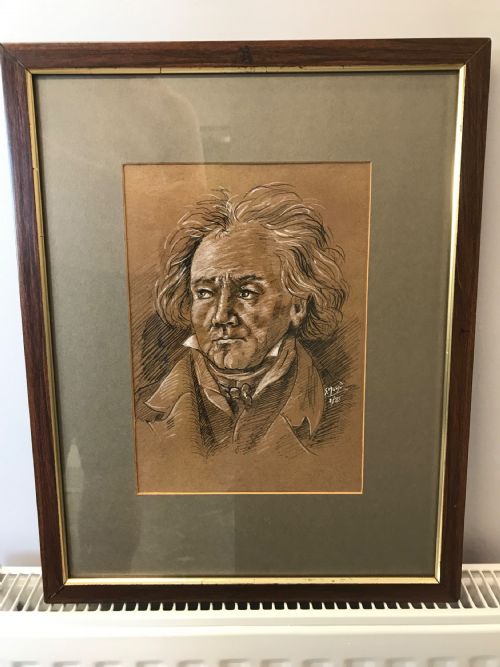
Draftsmen relied on paper, parchment, and card as supports, applying media such as graphite, charcoal, ink wash, gouache, and red chalk to build tone and form. These materials facilitated the rapid capture of shadow and light during life-drawing sessions.
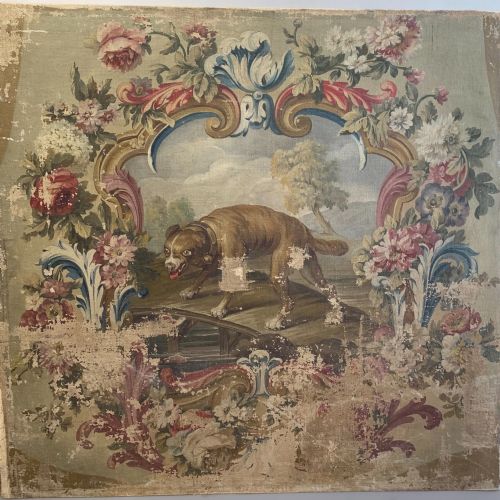
Painters utilised oil paint on canvas, panel, or prepared paper, often producing oil studies to test compositions or tonal values before executing larger canvases. Plaster casts and bronze figures required traditional moulding techniques to replicate antique sculpture for studio instruction.
Framed works frequently display period mountings and glazing that protect delicate works on paper from environmental degradation while preserving the integrity of the original presentation.
Classical Art Study Retail Price Guide 2026
Typical asking prices for classical art study among the pieces listed under this phrase on Sellingantiques today, from the lower quarter to the upper quarter. They describe what is for sale here now, not the wider market.
Materials recorded across the selection include charcoal, red chalk, ink wash, watercolour, and oil paint alongside nineteenth-century plaster casts.
Evaluating Academic Merit and Execution
The distinction between ordinary and exceptional study pieces lies in the precision of draughtsmanship and the artist's understanding of underlying bone and muscle structure. A superior academic drawing displays confident linework, accurate proportion, and subtle tonal graduation that reveals rigorous studio training.
Provenance and attribution elevate certain works, particularly those connected to named academies, established artists, or documented Grand Tour itineraries. Pieces that demonstrate a direct engagement with antique models or serve as preparatory studies for larger finished paintings carry greater art-historical significance.
William Etty·Hyacinthe Colin de Vermont·Harold Clayton·Manuela Bonati·Allan Douglas Davidson·James Clark·Hector Lemaire·Sir Thomas Brock
The Classical Art Study Glossary
- Academic life study
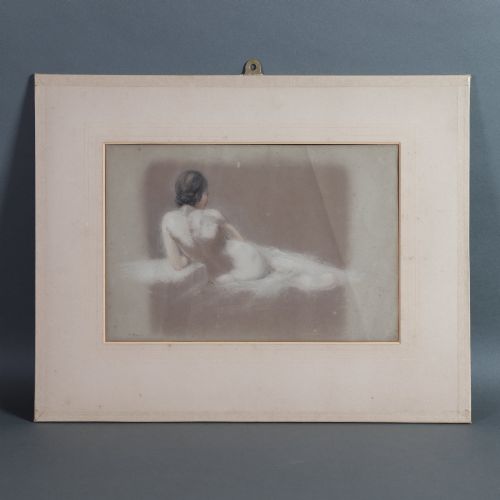
- A drawing or painting executed from a live model within an art academy setting. These exercises focused on rendering accurate human anatomy and posture.
- Grand Tour
- A traditional travel excursion undertaken by young Europeans to explore the cultural legacy of classical antiquity in Italy. Souvenirs included watercolours, prints, and small bronzes.
- Neoclassical
- A Western cultural movement drawing inspiration from the art and culture of classical antiquity. It prioritised austere lines, heroic subject matter, and classical proportion.
- Recto and verso
- Terms denoting the front and back sides of a single sheet of paper or panel. Many early drawings feature sketches on both sides due to the expense of materials.
- Plaster cast
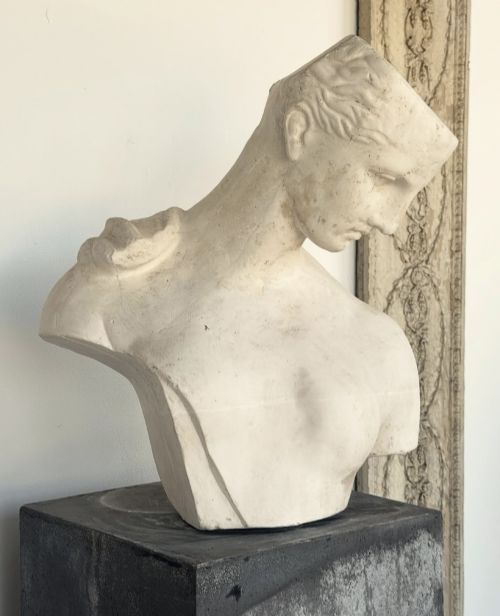
- A three-dimensional copy of a classical sculpture cast in plaster for use in art academies. Students drew these casts repeatedly to learn contour and shadow before progressing to live models.
Classical Art Study: Frequently Asked Questions
What is a classical art study?
A classical art study is a preparatory exercise or finished drawing made by an artist to understand human anatomy, perspective, or classical sculpture. These works formed the backbone of traditional academy training across Europe.
They reflect the rigorous standards expected of artists learning to render the human form and classical architecture accurately through direct observation.
How were these studies used?
Artists used these studies to practice drawing from live models, plaster casts, and antique statues within formal academy settings or private studios. They served as trial pieces for larger compositions or as records of classical antiquities seen during travels.
Many drawings and oil sketches were kept in portfolios by artists and instructors as reference material or teaching aids for younger students.
How do I display works on paper safely?
Works on paper require conservation-grade framing with acid-free mounts and UV-protective glazing to prevent fading and paper degradation over time. Position them away from direct sunlight and damp environments to preserve the delicate pigments and media.
Maintaining stable room temperatures prevents the paper from buckling or developing foxing marks in response to excess moisture.
How can I tell an academic study from a finished painting?
Academic studies often focus tightly on a single figure, limb, or architectural detail without a developed background or narrative context. They emphasise anatomical accuracy, shading, and structural form over polished surface finish.
Visible grid lines, notes on proportion, or sketches on the reverse side often indicate that a piece was created as a working exercise rather than a finished exhibition piece.