






Classical Art Casting
Classical art casting brings ancient forms into nineteenth and twentieth-century interiors through bronze, plaster, and carved intaglios.
Classical Art Casting
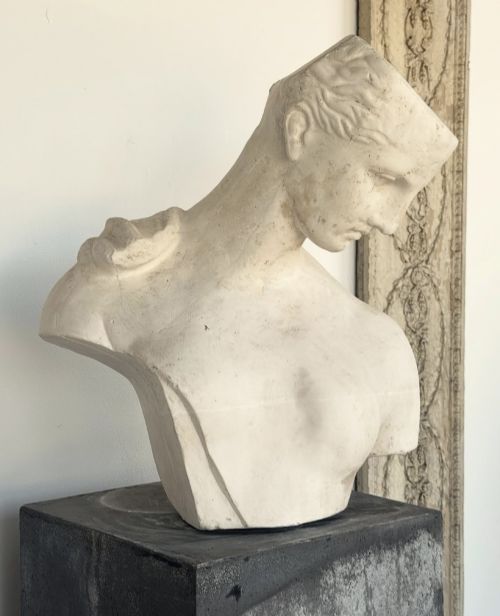
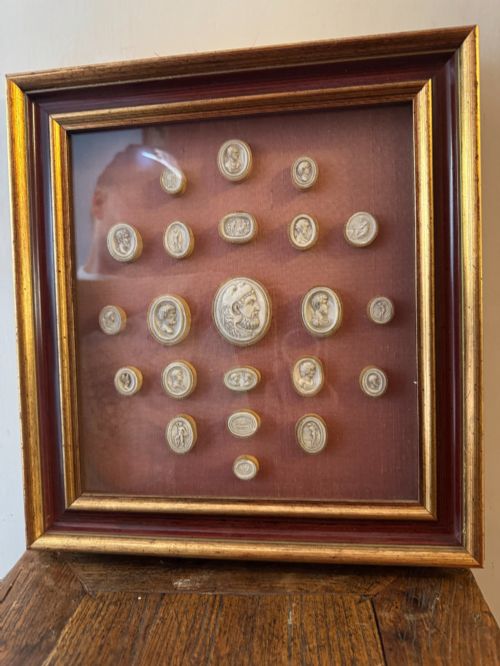
When you search for classical art casting, you encounter sculptural works, framed intaglio collections, and wall plaques that interpret antique mythology and portraiture. These pieces span from the late eighteenth century through to the mid-twentieth century, capturing enduring interest in classical forms.
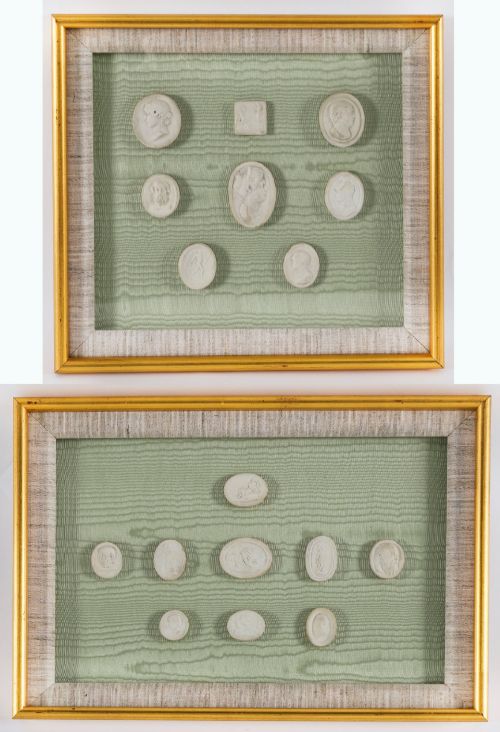
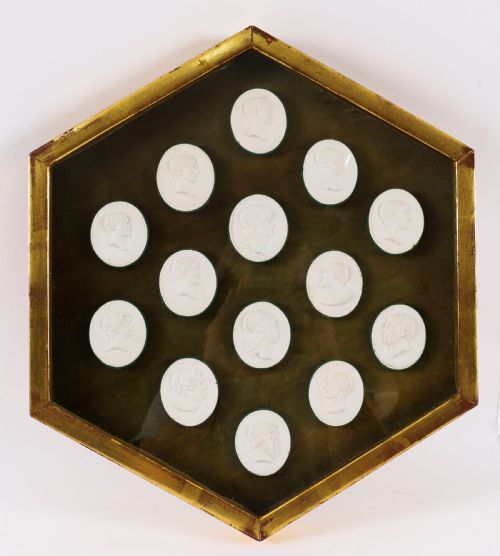
The most common formats on this page are framed grand tour plaster intaglios and cast bronze figures originating from French and Italian workshops. Buyers frequently select these framed panels and cabinet bronzes to display historical subjects on walls or tabletops.
Materials and casting methods
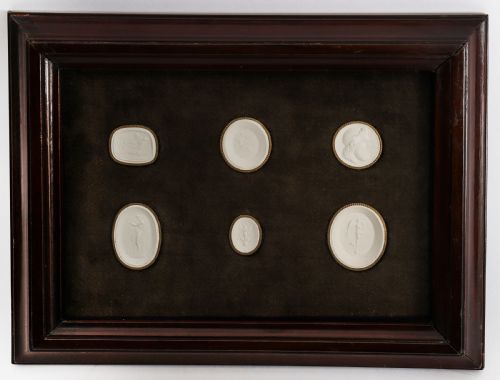
Foundries utilised bronze, spelter, and cast metal poured into moulds to create figures, busts, and lighting fixtures. Plaster, gypsum, and marble dust served for intaglios, medallions, and relief panels, often mounted within velvet, fabric, or turned wood frames.
Casting techniques allowed workshops to replicate sculptural details accurately from classical originals. Patination finishes applied to bronze and cast metal surfaces provided varied tones, whilst gilt wood and glass protected delicate plaster casts.
Classical Art Casting Retail Price Guide 2026
Typical asking prices for classical art casting among the pieces listed under this phrase on Sellingantiques today, from the lower quarter to the upper quarter. They describe what is for sale here now, not the wider market.
Listings feature classical art casting materials including bronze, plaster, glass, wood, velvet, spelter, gilt wood, and fabric across multiple decades.
Distinctions in execution and assembly
Quality rests upon the crispness of the cast and the precision of the chasing work applied after removal from the mould. Finer pieces retain sharp facial expressions and clear drapery folds, whereas lesser examples show softened contours and obscured details.
The presentation of framed intaglio collections separates standard sets from superior works. Meticulous arrangement within period frames, clean plaster surfaces, and legible maker signatures or stamps indicate higher grade studio production.
Moreau Family·L and F Moreau·C J R Colinet·Georges Charles Coudray·Giovanni Liberotti·Antonio Merente·Justo de Gandarias·Sir Thomas Brock·Antoine Bofill·Auguste Moreau·Coalbrookdale·Emmanuel Villanis·A Gaudez·J C De Blezer
The Classical Art Casting Glossary
- Intaglio
- A gem or impression carved in incuse so that the design sinks below the surface. Grand tour sets typically comprise numerous plaster or glass examples arranged in glazed frames.
- Spelter
- A zinc alloy utilised as a less expensive alternative to bronze for decorative figures and lamp bases. It commonly received a bronze-coloured surface finish.
- Patina
- The coloration or surface film developed on bronze through age or chemical treatment. Artists controlled this finish to enhance the depth of sculptural contours.
- Medallion
- A circular or oval plaque bearing a portrait or relief scene in cast plaster, metal, or ceramic. These pieces frequently appear mounted in pairs or grouped sets.
- Roundel
- A circular panel or artwork format. Examples in these listings incorporate cast lead roundels set within turned mahogany frames.
Classical Art Casting: Frequently Asked Questions
What is a grand tour intaglio collection?
Grand tour intaglios are sets of cast plaster or glass impressions taken from ancient carved gems. Travellers collected these framed panels during nineteenth-century educational journeys across Europe.
Today, these collections hang on walls or rest on studies to display classical mythology and portraiture in miniature form.
How do I tell bronze from spelter?
Bronze is heavier, denser, and colder to the touch than spelter, with a durable metallic structure beneath its patina. Spelter is a softer zinc alloy that often shows lighter grey metal underneath wear points.
Examining the underside or base usually reveals the distinct weight and material composition of the casting.
Where were these plaster casts made?
Many plaster casts and intaglios originated in Italian and French workshops during the nineteenth century. Artisans used moulds taken from museum sculptures and ancient ruins to supply collectors.
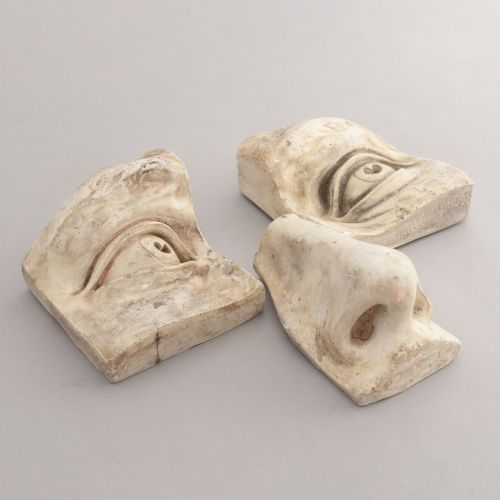
These educational reproductions allowed private homes to display replicas of famous antiquities like classical busts and architectural reliefs.
How should I hang framed wall plaques?
Framed plaster intaglios and wall plaques require stable picture hooks suited to the weight of wood frames and glass panels. Position them away from direct sunlight and moisture to protect delicate plaster surfaces and velvet backings.
Grouping pairs or sets together maintains the historical arrangement intended by nineteenth-century framers.