



Classical Architectural Ornament
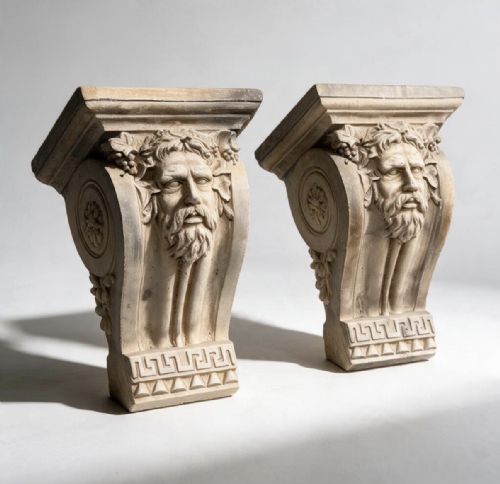
These pieces of classical architectural ornament bring ancient forms and architectural grandeur into your interior or garden spaces.
Classical Architectural Ornament
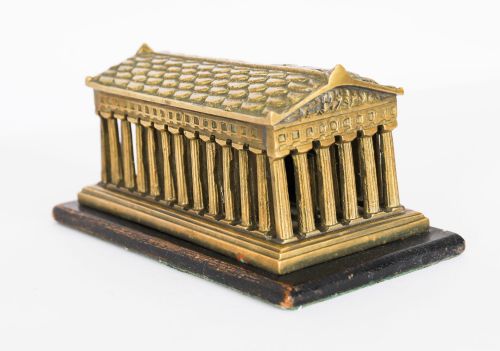
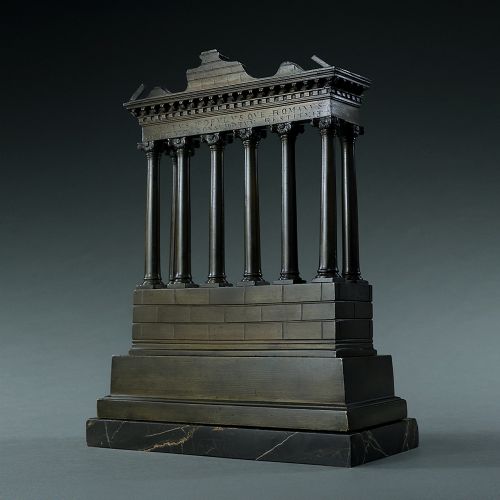
When you search for classical architectural ornament, you encounter pieces spanning from the seventeenth century through to the mid twentieth century. These items include garden statues, architectural models, sculptures, and architectural salvage.
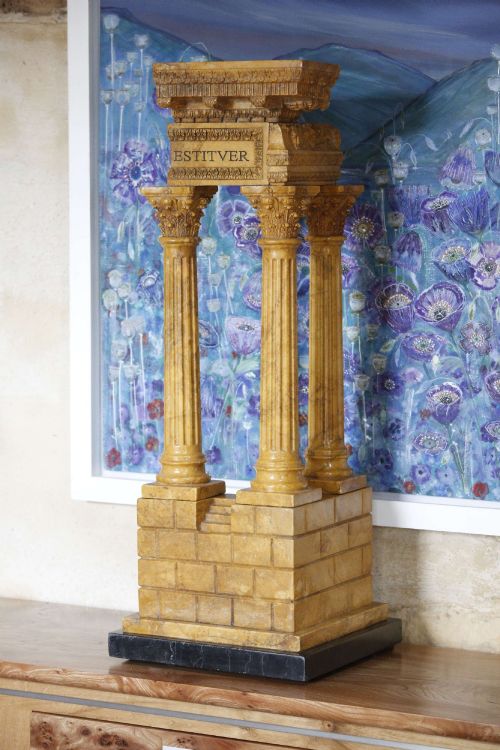
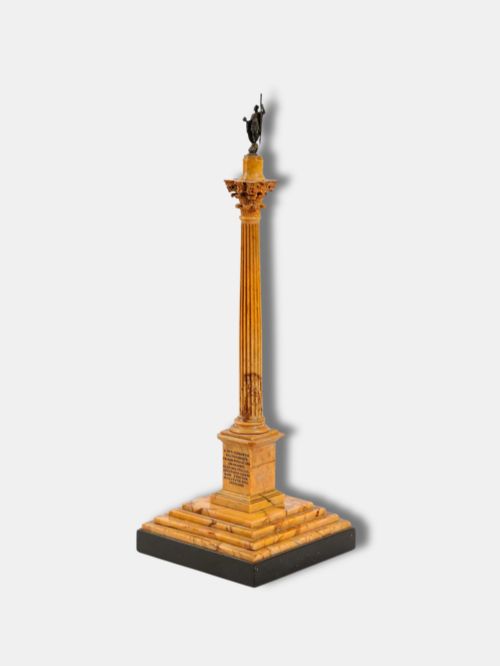
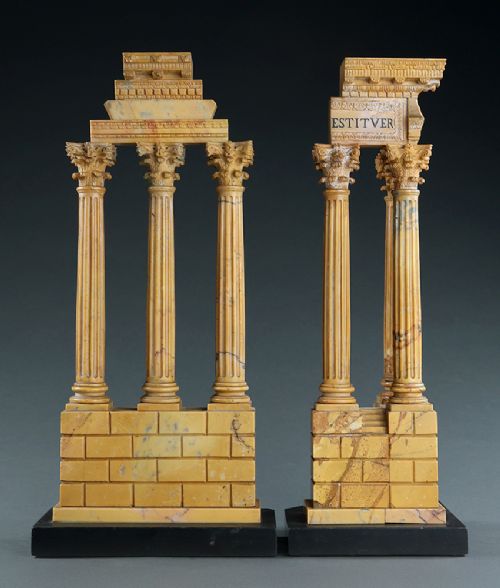
The selections you meet on this page range from grand tour specimen marble obelisks and forum temples to garden pedestals, stone lion guardians, and carved stone baskets. Origins stretch across Italian workshops and English country house traditions.
Forms vary from small scale decorative objects like specimen marble columns and Roman helmet carvings up to substantial garden statuary and plinths. Each item reflects classical revival and neoclassical aesthetics adapted for display.
How they were made
Items are formed from a variety of durable materials including reconstituted stone, cast stone, and painted surfaces. Natural stones feature prominently, with varieties such as black marble, giallo antico marble, and siena marble utilised for grand tour models.
Carving and casting techniques define the construction, seen in carved stone baskets, stone lion guardians, and cast stone funerary altars. Bronze elements also appear alongside marble in sculptural objects.
Classical Architectural Ornament Retail Price Guide 2026
Typical asking prices for classical architectural ornament among the pieces listed under this phrase on Sellingantiques today, from the lower quarter to the upper quarter. They describe what is for sale here now, not the wider market.
Listings feature items from the seventeenth century, eighteenth century, Victorian era, Edwardian period, and up to nineteen fifty, utilising materials like marble, cast stone, and bronze.
What varies in quality
Quality separates through the precision of the stone carving and the fidelity of the classical architectural details. Finer pieces display crisp lines on capitals, columns, and sculptural reliefs.
The choice and figuring of natural materials dictate the standing of grand tour objects, where select marbles like giallo antico and siena elevate the piece. Weathering and surface patination on garden stone also influence character.
The Classical Architectural Ornament Glossary
- Grand Tour
- A cultural journey undertaken by wealthy young Europeans in the eighteenth and nineteenth centuries to study classical art and architecture. Souvenirs from these travels included miniature marble models of famous ruins and columns.
- Siena Marble
- A decorative Italian marble known for its rich yellow ground with dark purple or brown markings. It was frequently used for nineteenth century architectural models.
- Reconstituted Stone
- A composite material made from crushed stone and a binder, moulded to replicate natural carved stone. It provides durability for garden statuary and architectural ornaments.
- Neoclassical
- A style originating in the mid eighteenth century inspired by the classical art and architecture of ancient Greece and Rome. It emphasises symmetry, proportion, and classical motifs.
Classical Architectural Ornament: Frequently Asked Questions
Where were stone lion guardians placed?
Stone lion guardians were traditionally positioned at the entrances of country houses, gardens, gates, or walls. They served both a decorative function and a symbolic role as protectors of the property.
These figures reflect classical and revival styles spanning the Victorian era through to the mid twentieth century.
How do I care for cast stone garden ornaments?
Cast stone garden ornaments and statues require minimal maintenance but benefit from gentle cleaning to remove organic growth. Protecting vulnerable pieces from severe frost helps preserve the stone surface over time.
Allowing natural weathering to develop adds character and depth to garden pedestals and statuary.
How do I identify the period of a stone carving?
Identifying the period involves examining the tool marks, stone composition, and stylistic adherence to neoclassical or baroque movements. Seventeenth century carvings often show distinct hand tool signatures compared to nineteenth century work.
Comparing the object to documented architectural models and garden ornaments helps narrow down the era of manufacture.