

Classic Wooden Furniture
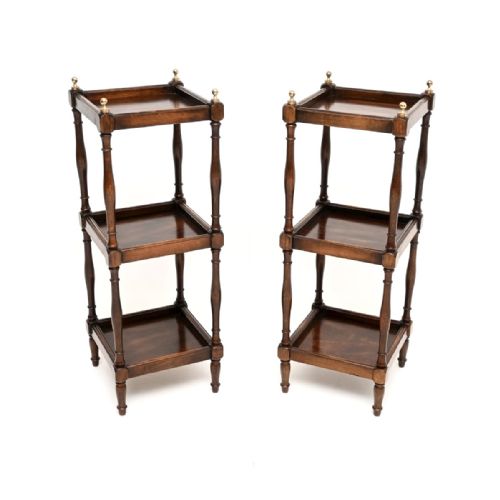
Classic wooden furniture brings solid mahogany, oak, walnut and pine forms into a room, from Georgian chests to Victorian wardrobes.
Classic Wooden Furniture
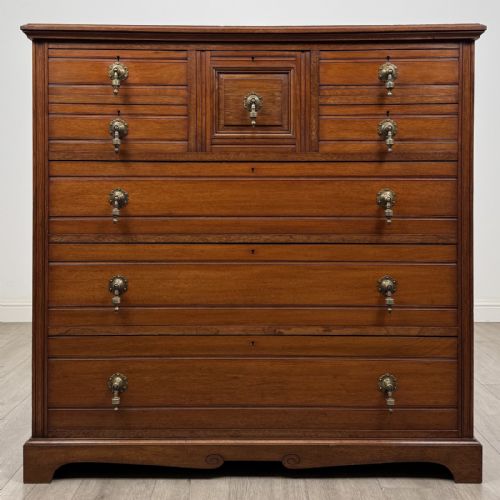
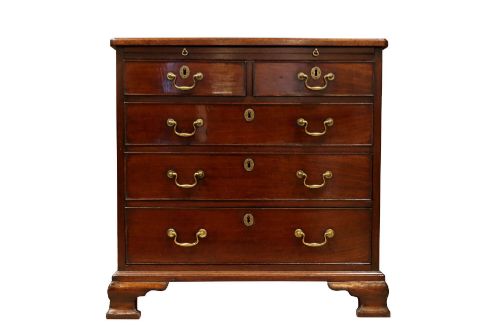
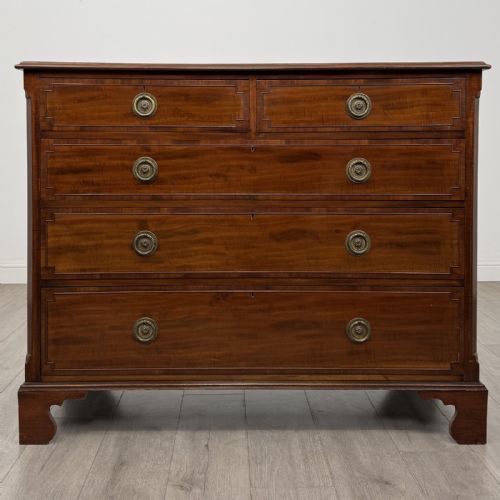
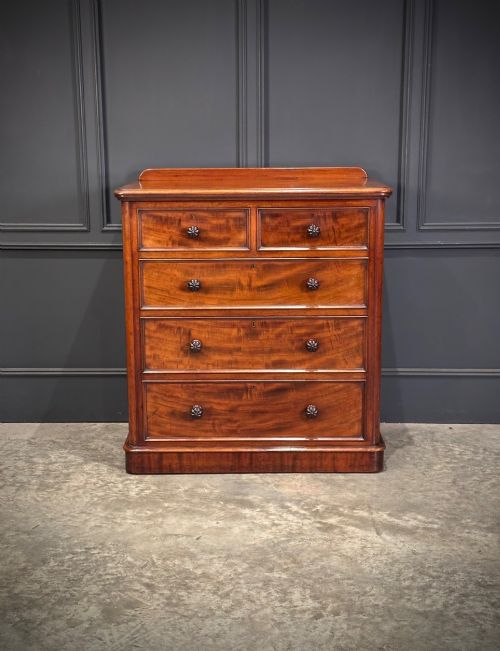
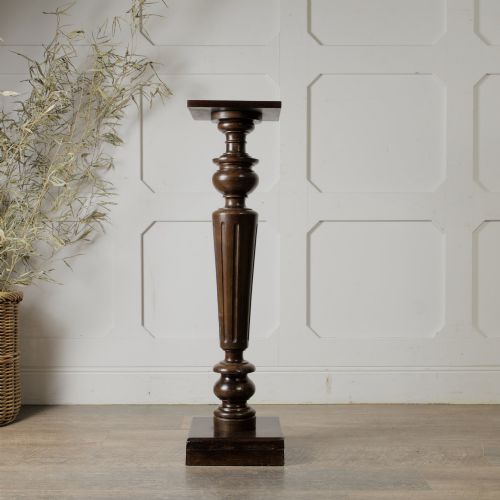
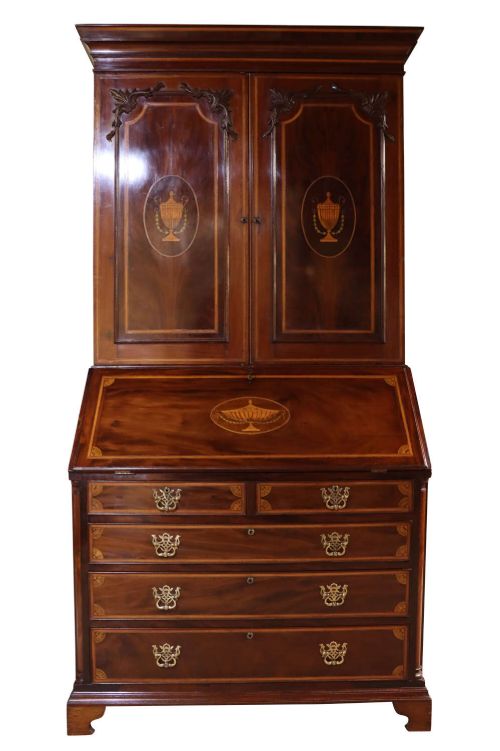
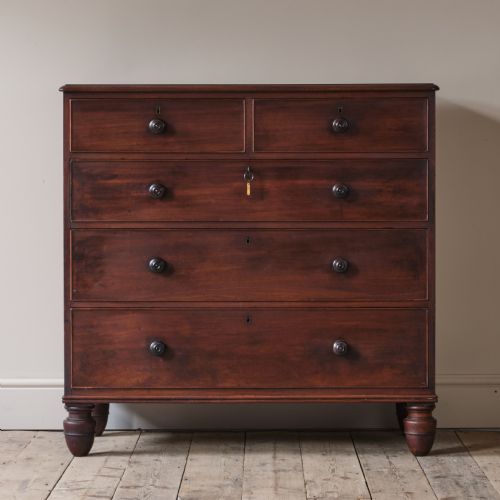
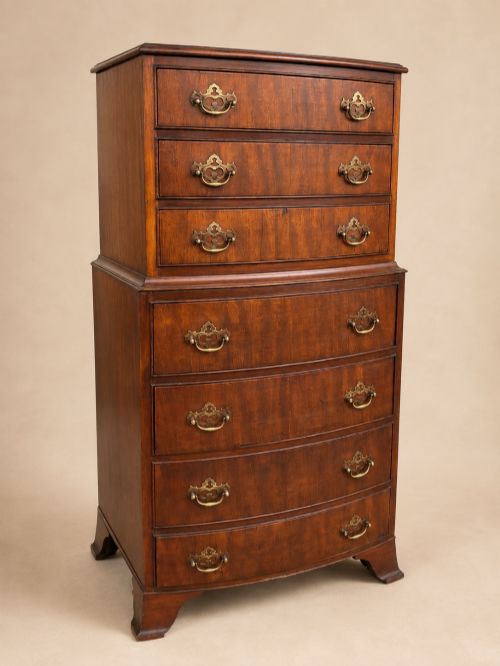
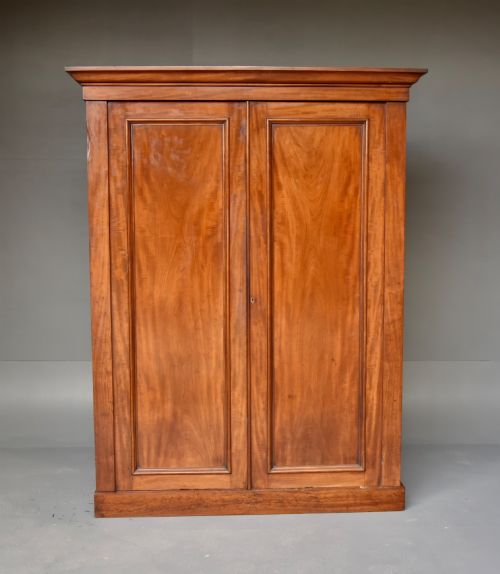
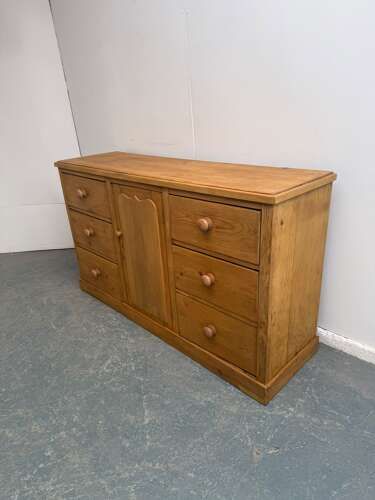
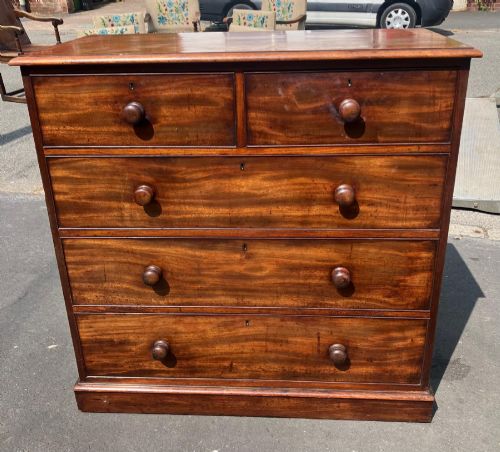
Classic wooden furniture encompasses practical household pieces built across the eighteenth, nineteenth and early twentieth centuries. Chests of drawers, desks, wardrobes and sideboards dominate the selection, reflecting domestic needs of past eras.
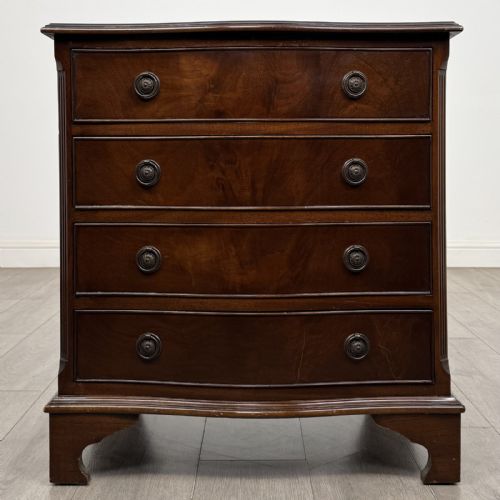
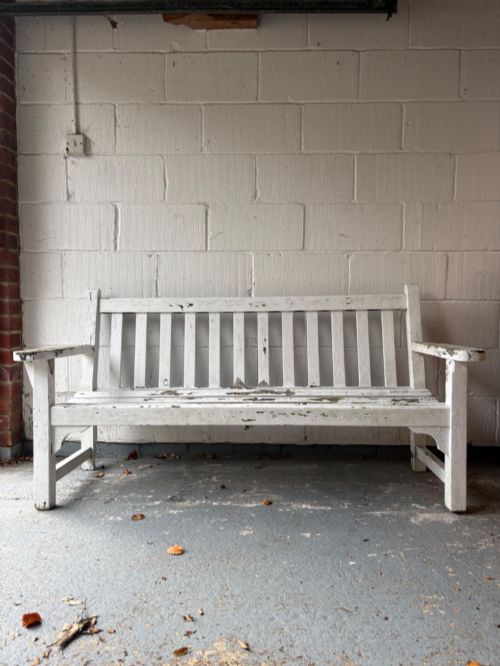
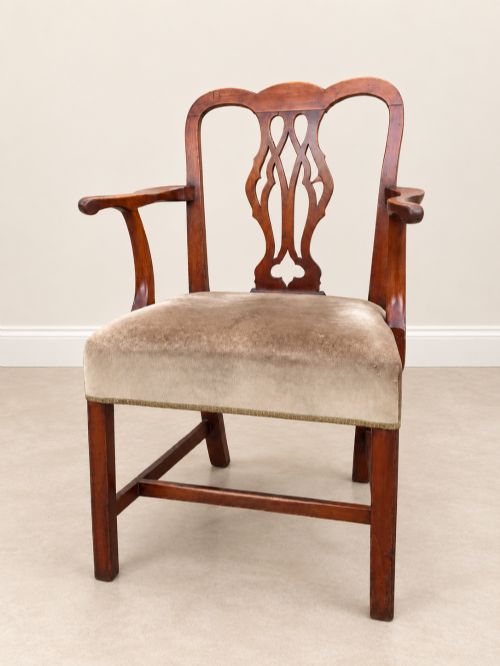
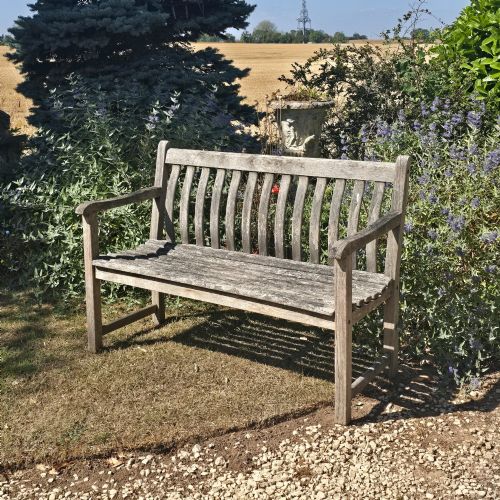
Mahogany forms the largest portion of these pieces, alongside oak, walnut and pine. Buyers encounter items ranging from formal George III mahogany commodes to Edwardian oak chests of drawers and robust teak garden benches.
Regional British craftsmanship appears frequently, with London makers and Irish workshops represented among the broader selection of period goods. Pieces span formal reception rooms and utilitarian kitchen spaces alike.
Materials and construction methods
Makers utilised solid timbers such as mahogany, oak and walnut for structural integrity, often pairing them with flame mahogany veneer to create figured surfaces. Secondary woods like pine frequently form internal drawer linings and carcass backs.
Brass handles, escutcheons and brackets provide functional hardware that contrasts with dark wood tones. Surface finishes rely on traditional wax polishes or polished shellac to protect the timber while highlighting natural grain patterns.
Classic Wooden Furniture Retail Price Guide 2026
Typical asking prices for classic wooden furniture among the pieces listed under this phrase on Sellingantiques today, from the lower quarter to the upper quarter. They describe what is for sale here now, not the wider market.
Some nineteenth-century chests hide tiny secret compartments originally designed for stashing sovereigns and love letters.
Judging quality in period woodwork
Quality rests in the precision of the joinery and the selection of timber figures, such as matched flame mahogany veneers on drawer fronts. Heavier secondary woods and crisp carving on pillars or bracket feet distinguish superior workshops from standard output.
Retained original hardware, including brass handles and working locks with keys, elevates an item's integrity. The depth of the timber's patina, developed through decades of careful waxing, signals proper historical maintenance.
T & G Seddon·S & H Jewell·Howard & Sons·Robert Strahan of Dublin
The Classic Wooden Furniture Glossary
- Bow front
- A convex curved cabinet front that projects outward in a smooth arc. This shape became popular during the Georgian period.
- Brushing slide
- A pull-out wooden shelf integrated into the upper section of a chest of drawers or desk. It provided a clean surface for sorting clothes or writing without opening the main drawers.
- Commode
- A low cabinet or chest of drawers, often with ornate proportions. English examples from the eighteenth and nineteenth centuries frequently utilise serpentine or bow fronts.
- Flame mahogany veneer
- A thin slice of mahogany timber cut from the fork of the tree where branches meet. This produces a dramatic, flamed grain pattern used on high-grade drawer fronts and cabinet doors.
Classic Wooden Furniture: Frequently Asked Questions
How do I date a wooden chest of drawers?
Examine the construction methods of the drawer boxes and the type of timber used. Hand-cut dovetails and solid secondary woods generally point to eighteenth or nineteenth-century origins.
Secondary clues include brass handle styles and the presence of makers' stamps or labels inside the top drawers.
How should I care for antique wooden furniture?
Maintain a stable room temperature and keep wooden pieces away from direct sunlight and heat sources to prevent the timber from splitting. Apply traditional beeswax periodically to nourish the surface.
Avoid modern silicone-based sprays, which can build up and damage antique wax finishes over time.
Are these pieces suitable for modern homes?
Period wooden furniture offers practical storage solutions, from tall wardrobes to compact bedside cabinets and chests of drawers. Their sturdy timber construction handles daily use easily.
Mixing these pieces with contemporary interiors adds texture and historical character to a living space.