





Classic Wood Wall Mirror
A classic wood wall mirror brings depth and light to a room, drawing on centuries of cabinet-making traditions from the Georgian era through to the twentieth century.
Classic Wood Wall Mirror
A classic wood wall mirror encompasses a wide variety of forms, from large overmantels designed for nineteenth-century fireplaces to slender pier glasses and oval frames.
The pieces on this page span several distinct periods, including Georgian, Victorian, and Edwardian eras, alongside French and Italian stylistic influences.
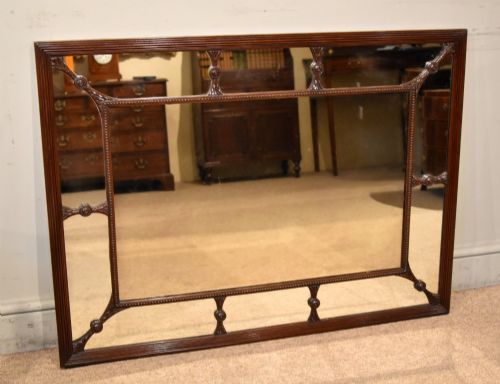
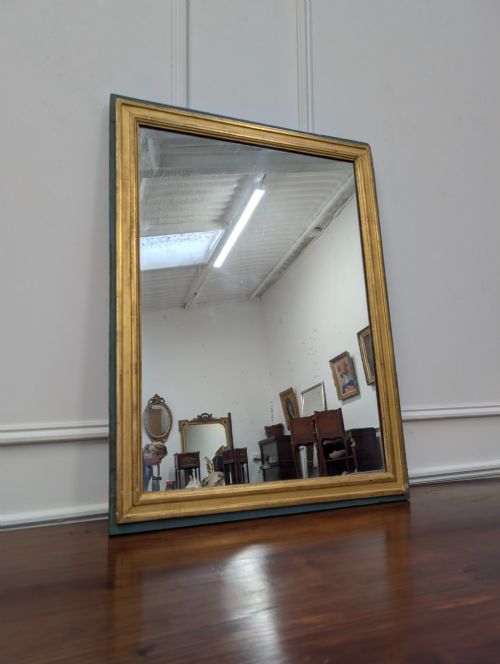
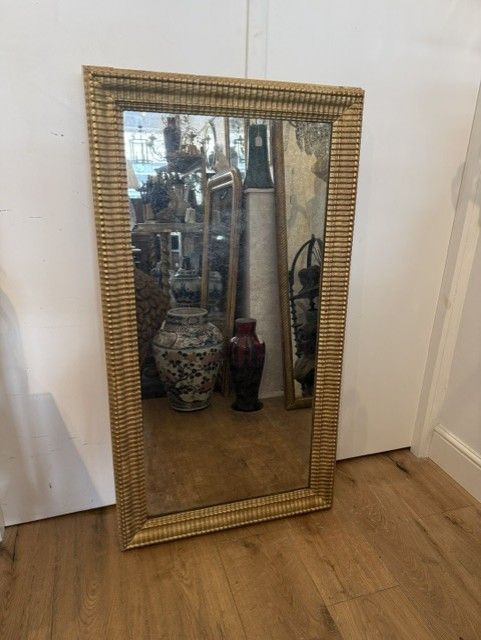
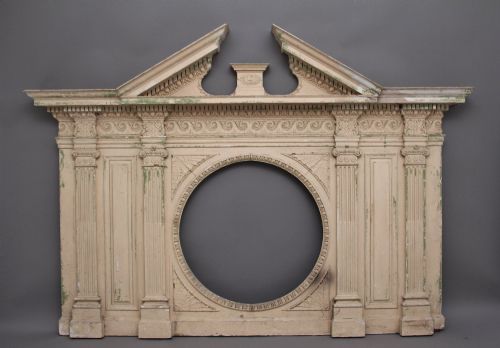
Overmantel mirrors and wall mirrors dominate the selection, frequently featuring carved wooden frames shaped to anchor a room's interior scheme.
Materials and construction methods
Frames are constructed from foundational timbers such as mahogany, pine, and rosewood, which provide the structural rigidity necessary for heavy glass plates.
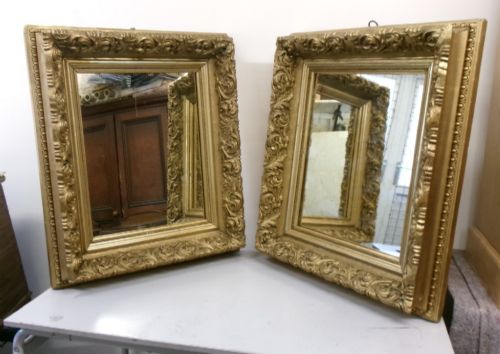
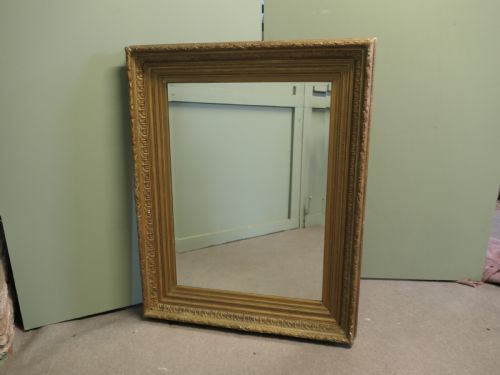
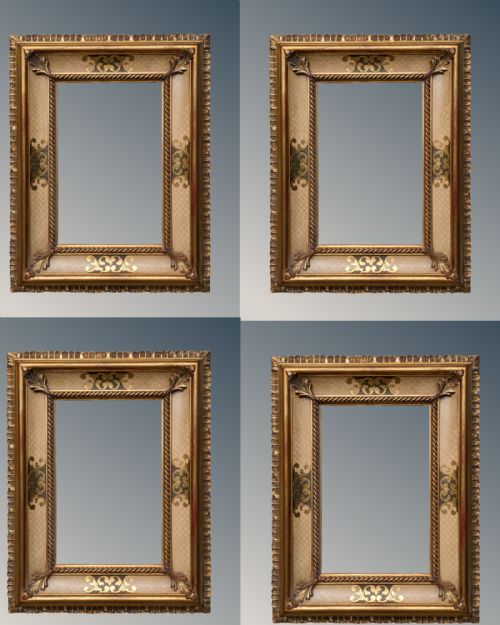
Carved gesso and applied gilding frequently coat the wooden surfaces, creating intricate decorative relief work that catches the light.
Traditional framing techniques employ pegged joints and layered mouldings, alongside period silvering or mercury plate glass.
Classic Wood Wall Mirror Retail Price Guide 2026
Typical asking prices for classic wood wall mirror among the pieces listed under this phrase on Sellingantiques today, from the lower quarter to the upper quarter. They describe what is for sale here now, not the wider market.
One cheerful Victorian barometer even hides a mahogany onion-top case among the mirrors, keeping watch over the weather.
Assessing quality in wood and gilt mirrors
Depth and crispness of hand-carved detail in the wood and gesso distinguish high-status pieces from simpler moulded alternatives.
The preservation of original gilding, paintwork, and mirror plates contributes significantly to the integrity of an antique frame.
The Classic Wood Wall Mirror Glossary
- Gesso
- A plaster-like mixture applied to wood frames to provide a smooth surface for gilding or painting. It is typically built up in layers before being carved or stamped.
- Pier glass
- A tall mirror designed specifically to hang on the narrow pier of wall between two windows. These pieces often feature matching console tables.
- Mercury plate
- An early form of mirror glass produced by applying a tin and mercury amalgam to the rear of the glass. This process creates a characteristic mottled reflection.
Classic Wood Wall Mirror: Frequently Asked Questions
How do I hang a heavy overmantel mirror?
Heavy nineteenth-century overmantel mirrors require secure wall fixings distributed evenly to support substantial wooden frames and glass plates. Professional installation into masonry or reinforced studwork is standard practice.
Weight distribution across multiple brackets prevents distortion of the antique frame over time. Consulting a structural specialist ensures the wall can bear the load safely.
What is a pier mirror used for?
Pier mirrors were originally placed between windows to reflect ambient daylight deeper into dimly lit period reception rooms. Their tall, narrow proportions made them ideal for vertical spaces.
Today, they serve a similar function in hallways and drawing rooms, creating an illusion of space while retaining their traditional decorative purpose.
How can I tell a Georgian mirror from a Victorian one?
Georgian mirrors often exhibit restrained classical proportions and symmetrical mahogany or carved giltwood framing. Construction details like hand-cut screws and pine secondary woods help verify the period.
Victorian pieces frequently display heavier ornamentation, including elaborate gesso work, ripple moulding, or Renaissance Revival motifs. The scale is often broader to suit larger nineteenth-century rooms.
Are painted finishes on French mirrors original?
Original painted finishes on French mirrors display natural wear, subtle crazing, and gentle fading consistent with age. These surfaces are integrated into the gesso and wood beneath rather than applied as flat modern coats.
Inspect the edges of the frame where paint meets the rebate for signs of historical layering. Patina accumulation around handling points also indicates authentic age.