



Classic Wood Lamps
Classic wood lamps bring warm timber tones and period character into a room, offering both practical illumination and sculptural presence.
Classic Wood Lamps
When you search for classic wood lamps, you are looking at carved floor lamps, standard lamps, and table lamps spanning the nineteenth and twentieth centuries. These pieces encompass various historical revivals including Regency, Georgian, and Italian Baroque styles.
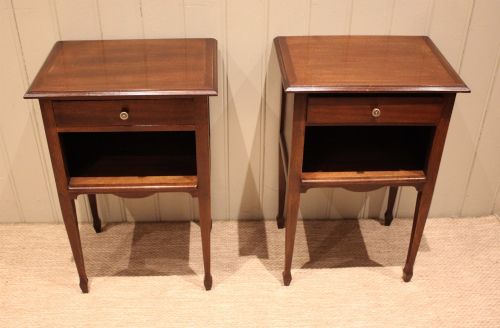
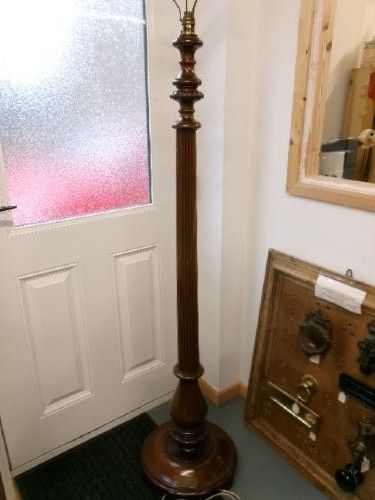
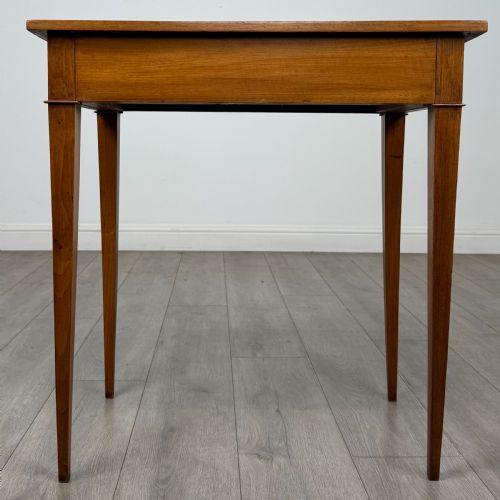
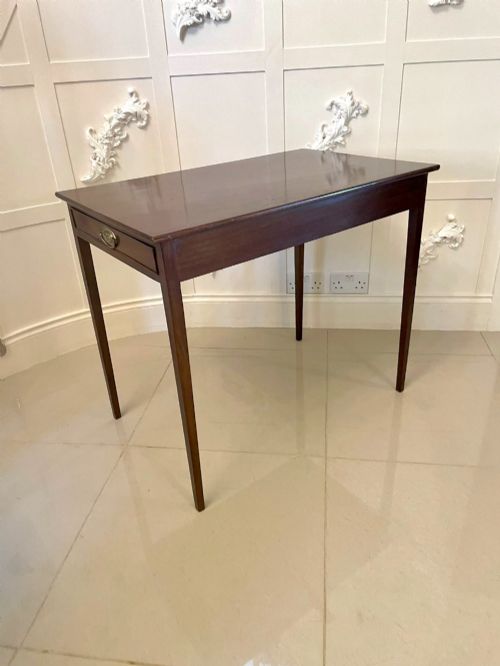
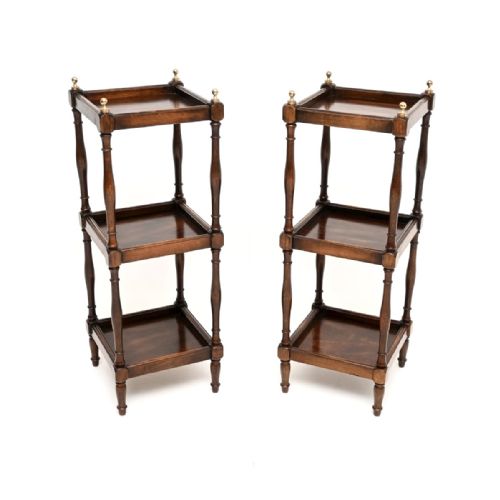
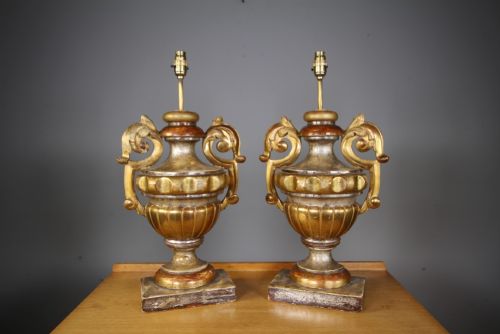
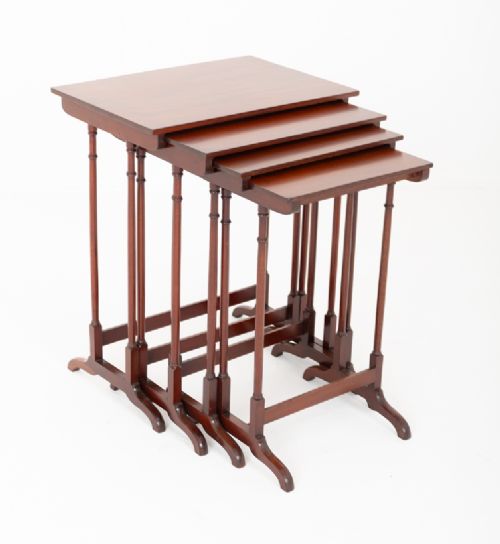
The versions you are most likely to meet on this page include mahogany standard lamps from the early twentieth century and carved pine urn lamps from the nineteenth century. Occasional lamp tables and side tables also appear alongside upright lighting forms.
Origins range across British, French, and Italian workshops, employing traditional turning and carving techniques. Each piece demonstrates how period furniture forms were adapted to hold electrical fittings or earlier lighting mechanisms.
How they were made
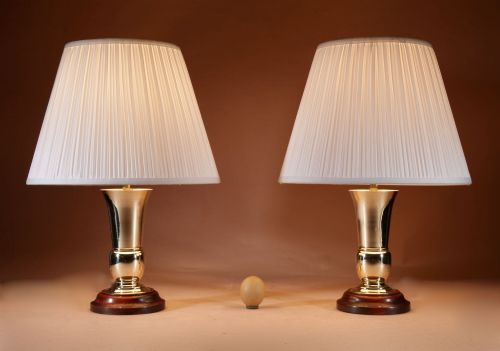
Construction relies on solid hardwoods such as mahogany and walnut, often paired with brass mounts, fabric shades, and glass elements. Carved pine and giltwood appear where makers sought a decorative surface suitable for gilding or polychrome paint.
Craftsmen shaped these materials through hand-carving, wood-turning, and applying gesso layers before finishing with polish, paint, or gold leaf. Structural joints combine traditional cabinet-making methods with stable weighted bases required for taller floor-standing standards.
Classic Wood Lamps Retail Price Guide 2026
Typical asking prices for classic wood lamps among the pieces listed under this phrase on Sellingantiques today, from the lower quarter to the upper quarter. They describe what is for sale here now, not the wider market.
A solitary Italian wall light keeps watch over the room with painted wooden charm.
What varies in quality
Quality rests on the depth and crispness of the hand-carving across the timber shafts and bases. Crisp acanthus leaves, reeded columns, and well-defined mouldings distinguish finer workshop output from simpler commercial production.
The choice and treatment of timber also dictate standard, with dense figured mahogany and select walnut showing superior grain patterns. Integration of brass hardware, weighted internal components, and preserved surface finishes complete the distinction between tiers of manufacture.
The Classic Wood Lamps Glossary
- Standard lamp
- A tall floor-standing lamp designed to illuminate a room from a standing position. These pieces often feature turned wooden columns and weighted bases.
- Giltwood
- Wood that has been coated with a thin layer of gold leaf or gold paint over a prepared gesso ground. This finish appears frequently on Italian Baroque and revival lighting.
- Tripod
- A three-legged support base commonly found on occasional tables and lamp stands. This configuration ensures stability on uneven floor surfaces.
- Occasional table
- A small, movable table intended for specific, temporary uses such as holding a lamp or book. These items complement larger seating arrangements in period interiors.
- Polychrome
- Decorated in multiple colours, often seen on Italian and French wooden wall lights and carved figures. This surface treatment involves hand-painted pigments sealed over a wood or gesso ground.
Classic Wood Lamps: Frequently Asked Questions
How do I date a wooden floor lamp?
Dating relies on examining the timber species, turning style, and wiring configuration. Earlier pieces often display hand-turned mahogany shafts and traditional joinery methods.
Stylistic cues such as Regency reeding or Edwardian proportions help narrow the decade of manufacture when combined with material inspection.
Are these lamps converted from gas or oil?
Some tall standards and table lights began life as oil lamps or gas standards before receiving electrical conversions. Evidence of this past appears in internal threading or altered top mounts.
Professional conversion maintains the historic timber body while ensuring modern electrical safety standards are met for daily use.
How do I care for polished mahogany lamps?
Polished timber requires regular dusting with a soft, dry cloth to prevent particulate buildup on the finish. Avoid placing wooden lamps near direct heat sources or strong sunlight.
Applying a quality beeswax periodically helps nourish the wood and maintain the natural lustre of the period polish without forming heavy buildup.
What distinguishes Regency revival styles?
Regency revival pieces draw upon early nineteenth-century design vocabulary, favouring dark mahogany, brass detailing, and classical architectural motifs. These twentieth-century interpretations echo the clean lines and saber leg forms of the Regency period.
Craftsmen working in the early nineteen-hundreds utilised these classical proportions to satisfy demand for period-appropriate interior furnishings.