

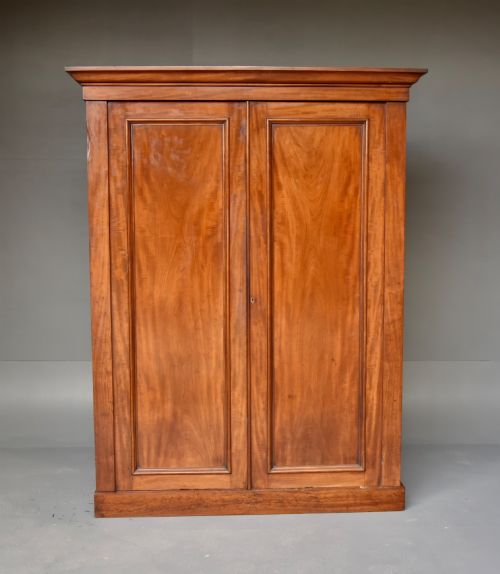


Classic Wood Cupboard
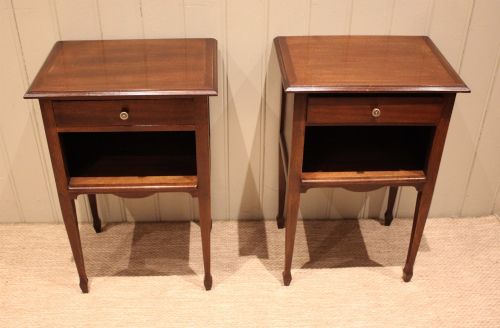
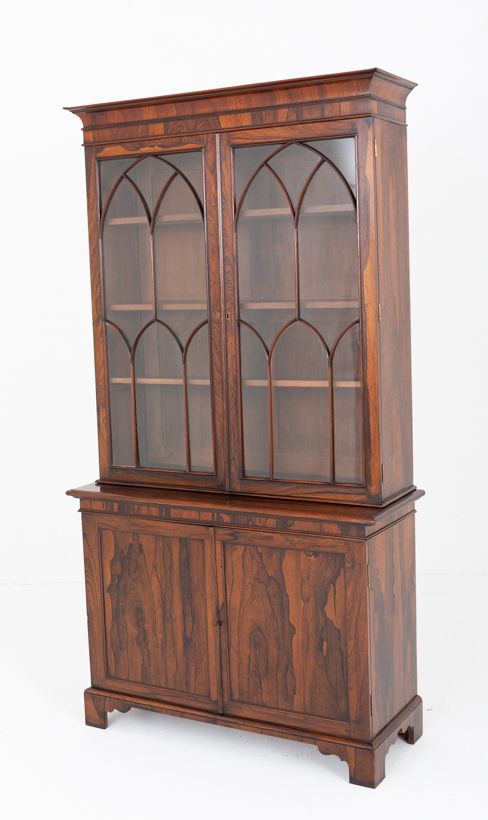
These classic wood cupboard options range from Edwardian bedside cabinets to Victorian bookcases, offering practical storage with period character.
Classic Wood Cupboard
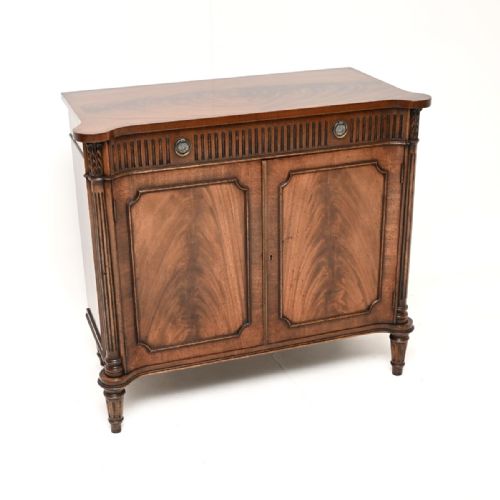
A classic wood cupboard search brings up a varied selection of antique furniture pieces designed for storage and display across the nineteenth and early twentieth centuries. Buyers encounter items ranging from compact bedside cabinets in mahogany and walnut to substantial library bookcases and wardrobes.
The most common formats on this page are bedside cabinets and tall bookcases, spanning Victorian, Edwardian, and earlier revival styles. These pieces utilise traditional timbers like mahogany, walnut, and rosewood, often enhanced with glass panels, brass fittings, or carved details.
How they were made
Cabinet makers utilised dense hardwoods such as mahogany, walnut, and rosewood for structural integrity and rich surface grain. These timbers were shaped into cabinets, desks, and bookcases using traditional joinery methods suited to the demands of domestic and library interiors.
Details such as brass hardware, glazed doors, and carved pillars were incorporated to elevate the visual appeal of each piece. Paint and polished finishes were applied to highlight the natural qualities of the wood across Victorian and Edwardian workshops.
Classic Wood Cupboard Retail Price Guide 2026
Typical asking prices for classic wood cupboard among the pieces listed under this phrase on Sellingantiques today, from the lower quarter to the upper quarter. They describe what is for sale here now, not the wider market.
Listings span the nineteenth and early twentieth centuries, featuring Victorian and Edwardian pieces in mahogany, walnut, and rosewood.
What varies in quality
The choice of timber underpins the overall quality, with dense grains and rich figuring in mahogany, walnut, or rosewood commanding greater attention. Finer examples display careful selection of wood veneers and solid construction that withstands decades of daily use.
Refinement in carving, the integration of brass hardware, and the clarity of glass panels distinguish superior pieces from standard utility items. The execution of period styles, from Sheraton Revival to French Renaissance, reveals the skill invested by the maker.
The Classic Wood Cupboard Glossary
- Mahogany
- A durable hardwood valued for its deep reddish-brown colour and smooth grain. It forms the primary structure of many Victorian and Edwardian cabinets.
- Breakfront
- A cabinet design where the central section projects forward from the flanking wings. This layout creates depth and architectural presence in large bookcases.
- Glazed
- Fitted with glass panes within doors or sides to protect contents while allowing visibility. This technique is common in bookcases and display cabinets.
- Pedestal desk
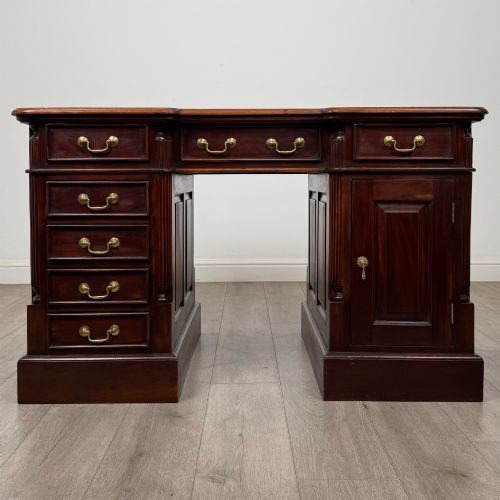
- A large writing table supported by two banks of drawers rather than simple legs. It provides substantial storage alongside a flat working surface.
Classic Wood Cupboard: Frequently Asked Questions
What rooms suit a wood cupboard?
These cabinets and bookcases fit well in studies, bedrooms, and living rooms where enclosed storage is useful. Their period timber finishes blend easily with traditional and mixed interior schemes.
Smaller bedside cabinets serve well in guest rooms, while larger bookcases anchor a home library or dining space.
How do I care for antique wood?
Keep wooden furniture away from direct heat sources and strong sunlight to prevent the timber from drying out or fading. Regular dusting with a soft cloth maintains the polished finish.
Occasional application of appropriate wax nourishes the grain without building up heavy residues on the surface.
Are these pieces solid wood?
Construction varies between solid timber and quality veneered panels applied to stable secondary woods. Cabinet makers used veneers to display striking grain patterns without risking the warping inherent in large solid boards.
Both solid and veneered constructions appear across the Victorian and Edwardian periods represented here.
How do I identify Edwardian pieces?
Edwardian furniture often reflects lighter designs and revival styles such as Sheraton Revival, drawing inspiration from eighteenth-century forms. The timbers tend to show bright finishes and refined, restrained ornamentation.
Construction from this era around 1900 balances practicality with decorative elegance suited to homes of that time.