





Classic Wood Cabinet
These classic wood cabinet pieces offer timeless storage and period craftsmanship, uniting rich timbers and traditional joinery for practical daily use.
Classic Wood Cabinet
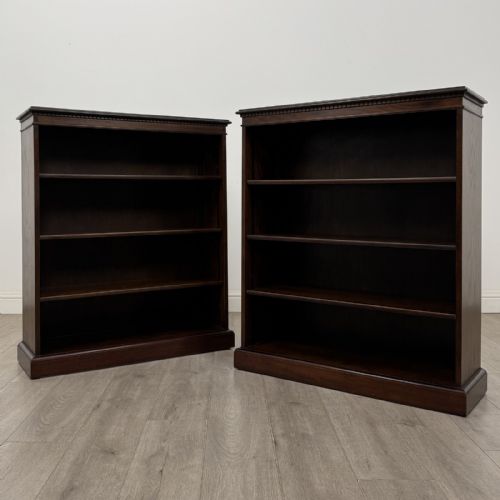
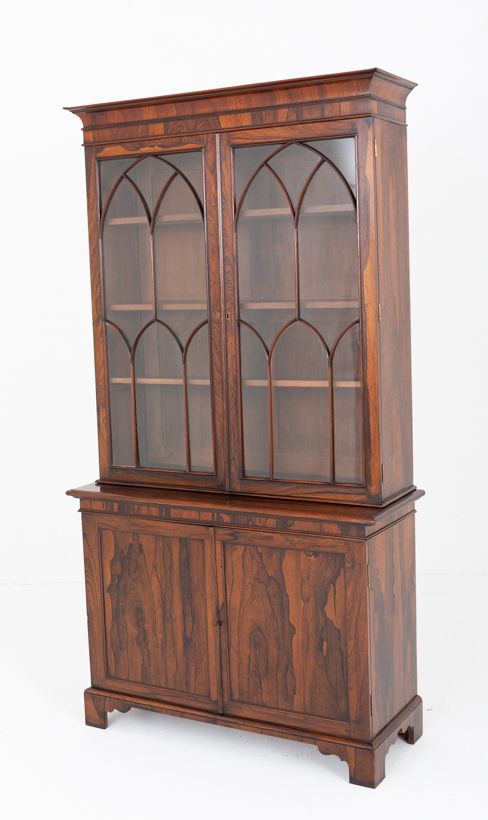
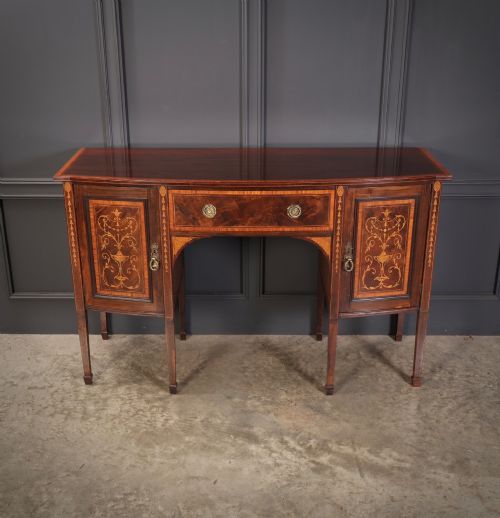
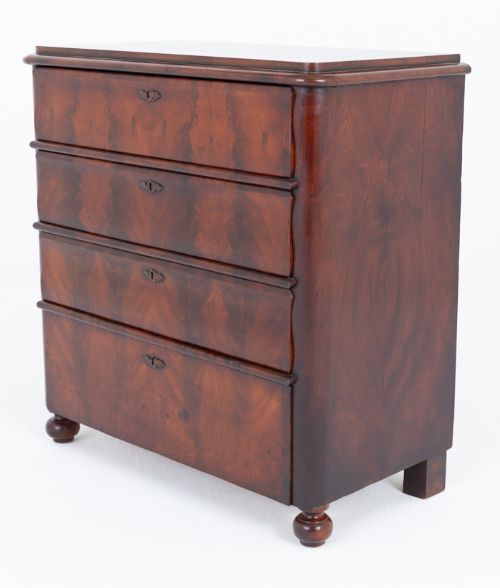
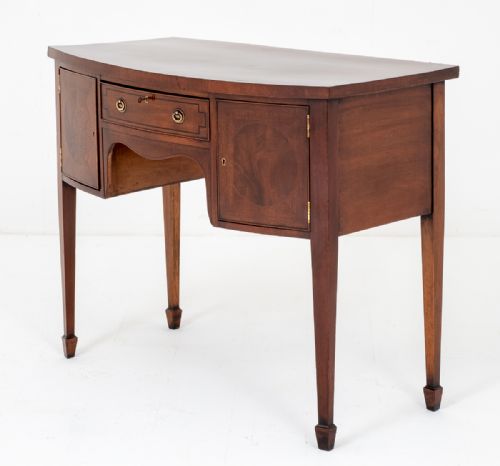
The pieces on this page span the Regency, Victorian, and Edwardian periods, alongside nineteenth century and early twentieth century examples. You are most likely to meet mahogany chests of drawers, sideboards, and glazed bookcases in these selections.
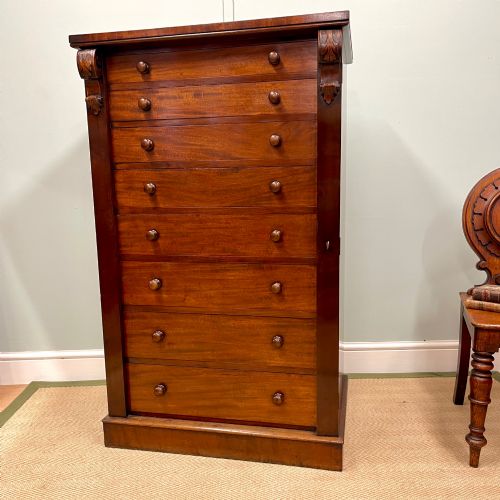
Beyond standard cupboards, the assortment includes specialised items such as Wellington chests, escritoires, and compactum wardrobes. Each piece reflects the dominant domestic storage needs of its respective era.
Materials and construction
Makers relied heavily on solid hardwoods and decorative veneers, with mahogany serving as the predominant timber. Walnut, rosewood, satinwood, and yew appear alongside flame mahogany veneer to create rich surface figures.
Metal and glass feature prominently as supporting materials, particularly brass handles, escutcheons, and glazed door panels. Ebonised wood accents and intricate marquetry inlay provide contrasting visual detail on select surfaces.
Classic Wood Cabinet Retail Price Guide 2026
Typical asking prices for classic wood cabinet among the pieces listed under this phrase on Sellingantiques today, from the lower quarter to the upper quarter. They describe what is for sale here now, not the wider market.
One Wellington chest stands ready to lock away all your secrets behind a single swinging pilaster.
What separates the fine examples
Quality rests primarily in the selection of timber figures and the precision of the cabinetmaker's joinery. Superior pieces display bookmatched veneers, careful grain alignment, and robust internal construction that withstands decades of use.
Refinement in secondary details, such as the casting of brass hardware, the execution of inlay, and the retention of original surfaces, distinguishes standard utility pieces from high workshop output.
The Classic Wood Cabinet Glossary
- Escritoire
- A writing cabinet featuring a drop-down desk flap concealing small interior drawers and compartments. This form gained popularity during the nineteenth century for domestic correspondence.
- Wellington chest
- A tall, slender chest of drawers secured by a hinged locking stile on one side. The design originated in the nineteenth century and maximises vertical storage.
- Compactum wardrobe
- A large fitted wardrobe combining hanging space with internal drawers, shelves, and sliding trays. These multifunctional units emerged to optimize bedroom storage.
- Marquetry
- The art of applying decorative veneer pieces to a structure to form geometric or pictorial designs. Craftsmen utilised contrasting woods like satinwood to achieve tonal depth.
Classic Wood Cabinet: Frequently Asked Questions
How do I date a wooden cabinet?
Dating relies on examining the construction methods, timber choices, and hardware styles associated with specific design periods. Secondary woods inside drawers and the type of fixings provide reliable clues to the decade of manufacture.
Comparing the decorative vocabulary, such as Regency curves or Edwardian inlay, against known historical styles helps narrow the origin further.
Where should I place a mahogany cabinet?
Position wooden cabinets away from direct sunlight and heat sources to prevent timber shrinkage and veneer lifting. Stable room humidity preserves the finish and structural integrity of older pieces.
Allow sufficient clearance for doors and drawers to open fully without obstruction in your chosen room layout.
Are these cabinets suitable for modern homes?
These storage pieces integrate well into contemporary interiors by offering practical organisation alongside traditional character. Their warm timber tones introduce texture and contrast against neutral modern walls.
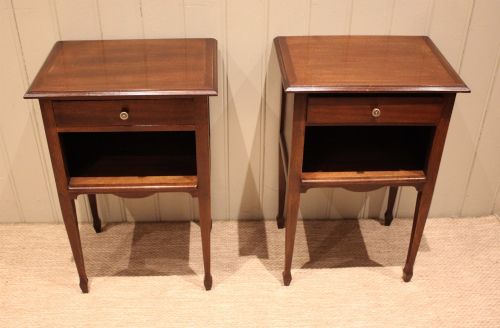
Bedside cabinets and sideboards serve their original functions effectively in modern bedrooms and living spaces.
What is flame mahogany veneer?
Flame mahogany veneer is a thin slice of wood cut from the fork of the tree where branches meet the main trunk. This specific cut produces a distinctive, highly figured flame-like pattern across the surface.
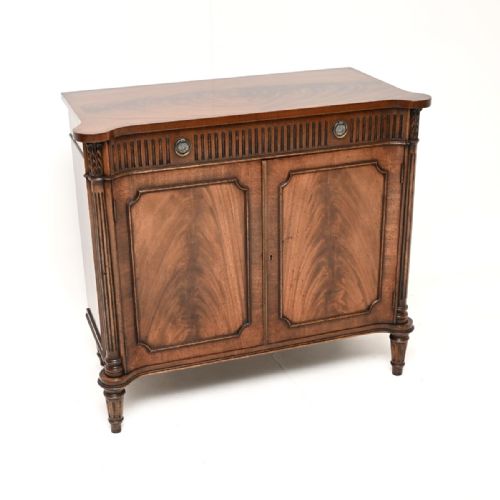
Cabinetmakers applied these dramatic veneers to drawer fronts and door panels to create a striking visual centerpiece.